
Categories
CRM

Navigating Data Privacy: Best Practices for CRM Implementation

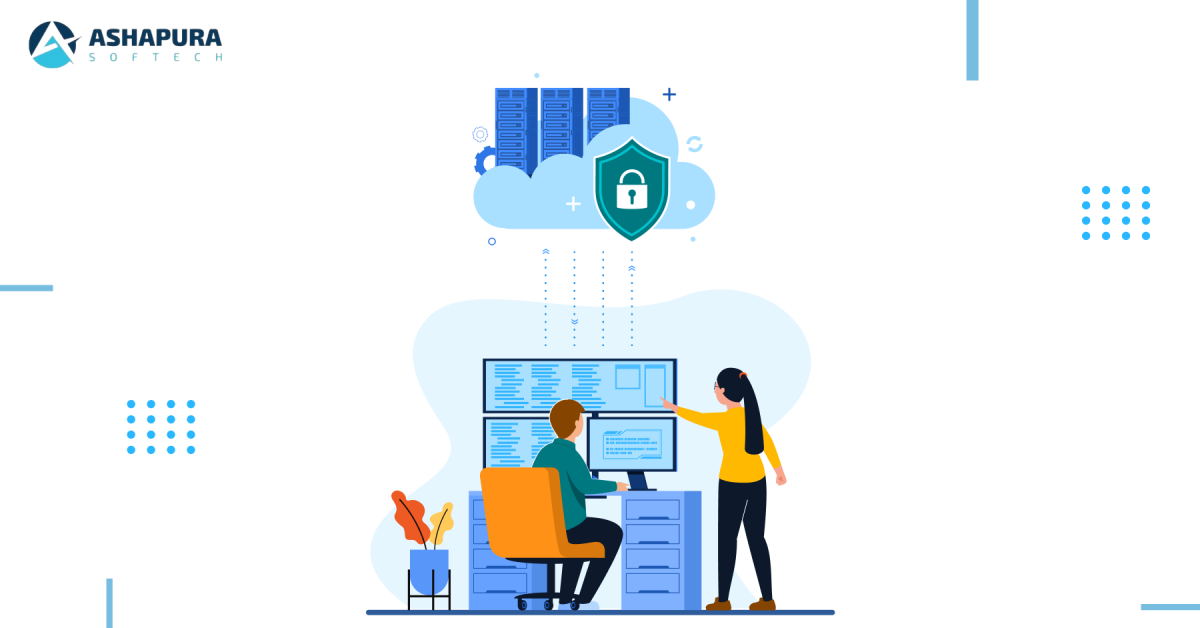
Responsible management of customer information in today’s data-driven world is not only a regulatory requirement but also a business imperative. Customer Relationship Management (CRM) systems are the backbones of modern customer engagement strategies. But how well businesses navigate this complex terrain of data privacy and compliance determines the success of such systems. Ineffective management of customer data can have serious legal implications, lead to lost trust, and even damage the reputation of the brand. This guide will explore the best practices in ensuring data privacy while implementing CRM, thus making sure that your organization not only complies with the international standards but also builds a long-lasting customer trust.

Why Data Privacy in CRM Matters

Your CRM system is a treasure trove of customer data: names, email addresses, purchase histories, preferences, and sometimes even sensitive financial details. This data feeds your ability to offer personal experiences. But with this great data comes great responsibility.

Data breaches are expensive, According to IBM’s annual report, the average cost of a data breach in 2023 was more than $4.45 million. Besides fines, lost customer trust is irrecoverable. Implementing CRM without a solid data privacy strategy is building a mansion on quicksand. A good foundation in data protection protects your business against both financial and reputational risks.

Best Practices for CRM Implementation and Data Privacy

Start with Privacy by Design

From the get-go, your CRM implementation plan should integrate privacy as a core principle. This isn’t just a trend; it’s a legal requirement in jurisdictions like the European Union under the General Data Protection Regulation (GDPR).

  • Minimize Data Collection: Only collect what you need. Avoid hoarding unnecessary information.
  • Embed Data Protections: Incorporate encryption, pseudonymization, and anonymization into your CRM systems.
  • Perform Privacy Impact Assessments (PIAs): Anticipate risks and mitigate them before they occur.

Understand and Comply with Regulations

Global regulations like GDPR, CCPA (California Consumer Privacy Act), and others mandate strict data handling rules. Non-compliance isn’t just risky—it’s costly.

  • Map Your Data: Understand where customer data is stored and processed across your CRM platform.
  • Know Consent Rules: Explicit consent is often required for collecting and processing personal data.
  • Set Retention Policies: Have clear guidelines for how long you’ll store data and when to delete it.

Implement Role-Based Access Controls (RBAC)

Not everyone in your organization needs access to the entire CRM database. Limiting access reduces the risk of accidental or malicious misuse of data.

  • Audit User Permissions: Ensure that employees only have access to the data they need for their role.
  • Monitor Activity Logs: Track who accesses what, and investigate anomalies promptly.
  • Use Multi-Factor Authentication (MFA): Add layers of security for CRM login credentials.

Transparency and Customer Trust

Develop a Clear Privacy Policy

Customers should know how their data is collected, used, and shared. A transparent privacy policy fosters trust and ensures compliance.

  • Be Honest and Simple: Avoid legal jargon. Use plain language to describe your practices.
  • Emphasize Benefits: Demonstrate how data collection improves their experience, including personalized recommendations.

Provide Data Portability and Control

Give customers the power to control their data. GDPR is very clear about the right to data portability, access, and erasure.

  • Self-Service Portals: Allow customers to view, download, and delete their data when they want.
  • Respond Promptly to Requests: Have a streamlined process to respond to data access or deletion requests.

Protecting Data from Breaches

Encrypt and Secure Data

Encryption isn’t optional—it’s a necessity. Whether data is in transit or at rest, ensure it’s protected with advanced encryption protocols.

  • TLS for Data in Transit: Secure data transfers between customers and your CRM using Transport Layer Security (TLS).
  • Regular Security Audits: Periodically review your CRM infrastructure for vulnerabilities.
  • Backup Systems: Maintain secure backups to avoid data loss during cyberattacks.

Train Your Team

Even the best systems fail without knowledgeable users. Employee negligence accounts for a significant percentage of data breaches.

  • Regular Training: Teach employees about phishing, secure password practices, and recognizing social engineering attacks.
  • Simulate Attacks: Run mock scenarios to gauge employee readiness and response.

How Technology Enhances Data Privacy

Invest in Advanced CRM Platforms

Not all CRMs are created equal. Modern CRM platforms come with built-in privacy features that can automate compliance.

  • AI-Powered Insights: Advanced CRMs employ AI to detect data usage anomalies and alert on potential risks.
  • Data Masking Features: Replace the sensitive data with placeholder information during processing for protecting them.

Use Automation to Achieve Compliance

The risk of human error exists while undertaking manual compliance checks. Using the CRM automation tools will automate the compliance tasks.

  • Automated Consent Management: Automatic monitoring of customer consent status
  • Real-time Alerts: Receive notifications regarding potential policy breaches or data anomalies

Personal Observations: Lessons from a Mistake

Once, as a consultant to a midsize retailer, I saw how abysmal data practices at CRM almost torpedoed a loyalty program. They left customer credit card information unencrypted—a ticking time bomb. Well, putting encryption and RBAC in place soon turned everything around. Takeaway lesson? Never spend money in vain on data privacy. The scaffolding to customer trust and long-term growth.

FAQs on Data Privacy and CRM Implementation

What is Privacy by Design in CRM?

Privacy by Design is an approach to ensure that data privacy is built into the architecture and processes of a CRM from the very start, reducing risks and enhancing compliance.

How do global regulations like GDPR impact the use of CRM?

Regulations such as GDPR stipulate how businesses can collect, store, and process customer data. Compliance will require explicit consent, secure storage, and giving the user control over their information.

Can automation help CRM data privacy?

Automation streamlines compliance activities like consent tracking, data anonymization, and real-time breach detection, reducing human error and ensuring efficiency.

How often should businesses audit their CRM for privacy compliance?

Regular audits preferably quarterly ensure your CRM is aligned with changing regulations and secured against emerging threats.

What is the role of encryption in CRM security?

Encrypt data to ensure it cannot be accessed or read without authorized access. It makes it safe and secure in its transmission and storage.

Conclusion: Earn Trust through Data Privacy

The navigation of data privacy within CRM implementation goes beyond the penalty aspect. Instead, it creates trust. Here at Ashapura Softech, we can assist any company in setting up its CRMs with rock-solid data privacy protocols. Your customers are entitled to no less than best practices for data security. Ready to elevate your CRM strategy while ensuring data privacy? Contact us today at [email protected].
Categories
CRM

How Custom CRM Boosts Customer Engagement: Real-Life Success Stories

In today’s hypercompetitive marketplace, engagement has become the foundation on which business success depends. An engaged customer is more likely to be loyal, buy more from you again and again, and become your brand ambassador. This is now possible through increasing dependence on custom CRM systems tailored to meet your specific needs. Not only does a custom CRM streamline interactions with customers, but it also allows for the tracking of customer preferences, behavior, and feedback in real time. We will go through this article in which we will talk about how customized CRM is changing the face of customer engagements and successful case studies; then we will discuss why businesses need to spend some money on development services on the CRM.

Introduction

Engaging customers is not a buzzword-it is the heart of contemporary marketing and customer retention strategies. However, inconsistency in engagement often plagues businesses at more than one touchpoint with their customers. CRM is the answer. Though CRM can be used as a data-driven tool for managing customers, when developed to suit specific business needs, it helps in maximizing the quality of a customer’s interaction, boosts efficiency, and drives engagement.

We delve into how businesses are creating meaningful connections with their customers by using a custom CRM. At the same time, we look into stories of success cases about businesses that transformed customer-engagement processes with the help of a powerful custom-built CRM solution.

Role of CRM in Modern Businesses

In the digital age, customers expect much from their companies: personalized interactions and quick responses to their needs. CRMs help businesses honor exactly what they expect by handling customers’ data, monitoring interactions, and automating workflows. The game-changer arises when the CRMs are made specialized for a business’s unique procedures.

A customized CRM system can offer a 360-degree view of a customer and automate tasks like follow-up emails and customer segmentation.

Along with integration of other products, such as marketing automation software, sales, and customer service platforms.

Analyzing customers’ behavior for forecasting future trends and needs.

Benefits of Custom CRM Development

Custom development of CRM lets the business tailor the workflow and ways in which it manages its customer engagement. Some of the key benefits are as follows:

  • Personalized Customer Engagement: Custom-built CRMs let businesses tailor their communication according to the specific preference of a given individual customer about his purchase history and feedback.
  • Improving the Sales Process: Custom CRMs can optimize the sales funnel by giving real-time insights about behaviors from customers as well as automating all the important aspects of the sales process.
  • Scalable: Off-the-shelf CRM solutions can be limiting. Custom CRMs are scalable, so you can just expand them when your customer base grows.
  • Data Integration: Custom CRMs allow for integration with other business systems, creating a unified platform for sales, marketing, and customer support teams.

How Custom CRM Engages Customers

Custom CRMs engage customers in the following ways impactful for businesses:

  • Seamless Communication: channels such as email, phone, or even through social media, Custom CRMs keep track of customer interactions on every channel so no engagement opportunity is missed.
  • Targeted Marketing Campaigns: With customers’ data analysis, a custom CRM allows businesses to perform market campaign actions close to the heart of individual customer preferences.
  • Real-Time Customer Feedback: By using a customized CRM, firms can gather real-time feedback, allowing them to respond promptly to customer issues, create loyalty, and increase customer satisfaction.
  • Customer Journey Mapping: A custom CRM maps the entire customer journey, which enables firms to trace the needs of every customer from the initiation to the end of his or her contact with the firm.

Real-Life Success Stories of Custom CRM Implementation

E-commerce Retailer Revolutionizing Customer Support

The popular online retailer has been facing issues with the management of incoming customer complaints and support queries for a long time. The CRM tool they were using did not assist them in prioritizing urgent issues or monitoring resolution times. A custom CRM service was developed by a CRM software development agency to integrate with their support ticketing system. It helped them in the following ways:

The response time decreased by 40% as tickets automatically got tagged by type.

Higher customer satisfaction rates were also achieved through quicker resolutions.

Maintain a complete history of previous concerns and purchases to have personalized customer contact.

This helped the company retain better customers but saved them extensive operational costs.

Healthcare Organization: Innovating in Patient Experience

This midsize healthcare group needed to update its patient relationship management system. They wanted an in-house CRM that would document the history of patients and automate the scheduling of appointments and their reminders for the scheduled date. The in-house-built custom CRM solution helped them to:

It increased appointment adherence by 30% through automatic reminders.

Patient satisfaction improved because of personal treatment plans based on historical data.

Through integration with the medical record, the CRM improved coordination within the organization.

This redesign led to better patient outcomes and higher levels of engagement.

Financial Services Firm Improving Client Retention

A financial services firm had extremely poor client retention rates. The off-the-shelf CRM they had was unable to fulfill all the needs that their high-net-worth clients have. Investing in a custom CRM software development service helped them:

Communicate better with clients through the use of personalized financial reports.

Handled to increase client retention by up to 25% by tailoring investment strategies to the client.

Implemented smooth internal processes that let the advisors spend less time on administrative work and more time interacting with their clients.

This saw a clear increase in client trust and loyalty.

Custom CRMs Features

  • Customized Dashboards: Customized dashboards that give up-to-date information on KPIs.
  • Advanced Analytics: Predictive analytics for the prediction of customer behavior or utilization of past experiences to control the customers’ experience.
  • Multi-Channel Integration: Integration of multiple channels such as social media, and email, among others.
  • Automation Tools: Automating tasks such as customer segmentation, email follow-ups, and sales tracking to improve productivity.
  • Mobile Access: It should have mobile-friendly platforms so that team members can access the information on customers at any time from anywhere.

CRM Development Company/CRM Software Development Agency

Developing a customized CRM is one thing, and developing it with a CRM software development agency can prove to be another altogether. An agency will be able to ensure you get a customized CRM solution for the following reasons:

Will meet your specific business goals.

Will prove flexible and scalable as well to adapt to the future growth of your business.

Ensure seamless integration with other applications

Ensure the development firm will continue to provide support for future versions and innovations

Choose a development firm, like Ashapura Softech, which will offer the best strategic partners to develop a CRM that fits your business needs to increase interactions and improve business performance.

Choosing the Best CRM Application Development Company

The following should be sought when an ideal CRM software development company is being searched:

  • Experience in the industry: A firm that understands the industry challenge.
  • Customization Capabilities: A group that can design, develop, and maintain a CRM that fits your exact business needs.
  • Integration Expertise: Ability to integrate CRM systems with other business applications.
  • Support and Maintenance: Ongoing support to deal with any updates to the software or any problems that may arise.

Challenges to Overcome When Implementing a Custom CRM

While custom CRM has the upper hand in many aspects, there are challenges to be faced:

  • Development Cost: Custom CRMs are costlier compared to their off-the-shelf version, but often the ROI justifies the cost incurred.
  • Time Taken to Implement: The time for developing and implementing a custom CRM will take longer, and companies must understand that the time frame involved will be greater.
  • Training Employees: Some time and effort are expected to train employees effectively to use the new CRM system.

However, the proper CRM software development services would work to reduce these challenges, and subsequently, the long-term benefits will weigh out the initial investment.

Conclusion

Custom CRM systems are no longer an optional extra for businesses looking to increase customer engagement and satisfaction. By getting the right services in CRM software development, businesses can make their processes, allow for a personalized customer experience, and generally ensure increased revenue growth. Some particularly great examples of success stories that we have looked into, with regard to changing power by custom CRM solutions designed to the needs of an industry. Are you ready to take your customer engagement to the next level? Call Ashapura Softech. We work with our team of experts to develop solutions that go beyond meeting present needs but grow along with a business. Want a customized CRM for your business? Contact us now at [email protected]!