Categories
Mobile App

Building Your First App: From Concept to Launch

Introduction

We live in a time where building an app isn’t reserved for just tech giants or coding wizards. With smartphones in nearly every pocket and more tools than ever at our disposal, app creation has become accessible. Whether you’re solving a real-world problem or just inspired by a cool idea, the barriers to entry are lower than ever. If you’ve been waiting for the right moment, this is it.

Mobile App Market Statistics: 2024 Insights

The mobile app industry continues to grow at an incredible pace, and 2024 was no exception. Here’s a quick look at some key statistics that highlight the state of the market:

Massive Global Revenue
Mobile apps generated a staggering $935 billion in revenue globally in 2024, showing just how powerful and widespread this industry has become.

Huge App Variety
Users have plenty of options:

  • The Apple App Store features around 1.96 million apps
  • The Google Play Store offers about 2.87 million apps

Explosive Market Growth
The global mobile app market was valued at $289.17 billion in 2024 and is expected to reach over $1,103.48 billion by 2034, growing at a CAGR of 21.55%.

Consumer Spending Trends
In 2024, 68.13% of mobile app spending came from iPhone users, while Android users accounted for 31.87%.

High User Engagement
Millennials are leading the charge, with 21% opening an app more than 50 times a day, showing just how deeply apps are woven into daily life.

App Usage Patterns
On average, a smartphone user interacts with 10 apps daily and 30 apps monthly, emphasizing the role of apps in everyday routines.

Surge in Downloads
In the U.S. alone, 12.5 billion apps were downloaded in 2023 – proof of the ongoing demand for mobile experiences.

Growing In-App Purchases
Revenue from in-app purchases hit $150 billion in 2024, marking a 12.5% increase from the previous year, a strong sign of how app monetization is evolving.

How to Create a Mobile App in Easy Steps On Your Own?

Chapter 1: Ideation – Finding a Problem Worth Solving

Spotting Market Gaps

Every successful app starts with a problem. Look for pain points in everyday life – frustrations you and others face. Whether it’s a slow booking system or a lack of local event discovery, your idea should stem from genuine need.

Validating Your Idea with Real Users

Before writing code, validate your idea. Interview potential users. Use surveys and social media polls. Feedback at this stage is gold – it tells you if the idea is worth building.

Competitive Research and Positioning

Study your competitors. What are they doing well? Where do they fall short? This will help you differentiate your app and position it uniquely in the market.

Chapter 2: Planning & Strategy

Defining Your App’s Core Features (MVP)

Your MVP should include only what’s necessary to solve the main problem. Avoid bloat. Clarity is your best friend here.

Setting Clear Goals and KPIs

What does success look like? Define clear Key Performance Indicators (KPIs) – downloads, user engagement, retention rate, etc.

Budgeting and Timeline Estimates

Apps can be expensive. Factor in design, development, testing, and marketing. Allocate resources wisely and build a realistic timeline.

Chapter 3: Designing the User Experience (UX/UI)

Wireframes and Mockups

Sketch the app flow. Use tools like Balsamiq for wireframes and Figma or Adobe XD for interactive mockups.

User-Centric Design Principles

Design for the user. Think simple, clean, and intuitive. Reduce friction and prioritize accessibility.

Tools for Design Collaboration

Use platforms like Figma, Sketch, or Adobe XD to collaborate with designers and stakeholders in real-time.

Chapter 4: Choosing the Right Tech Stack

Native vs. Cross-Platform Development

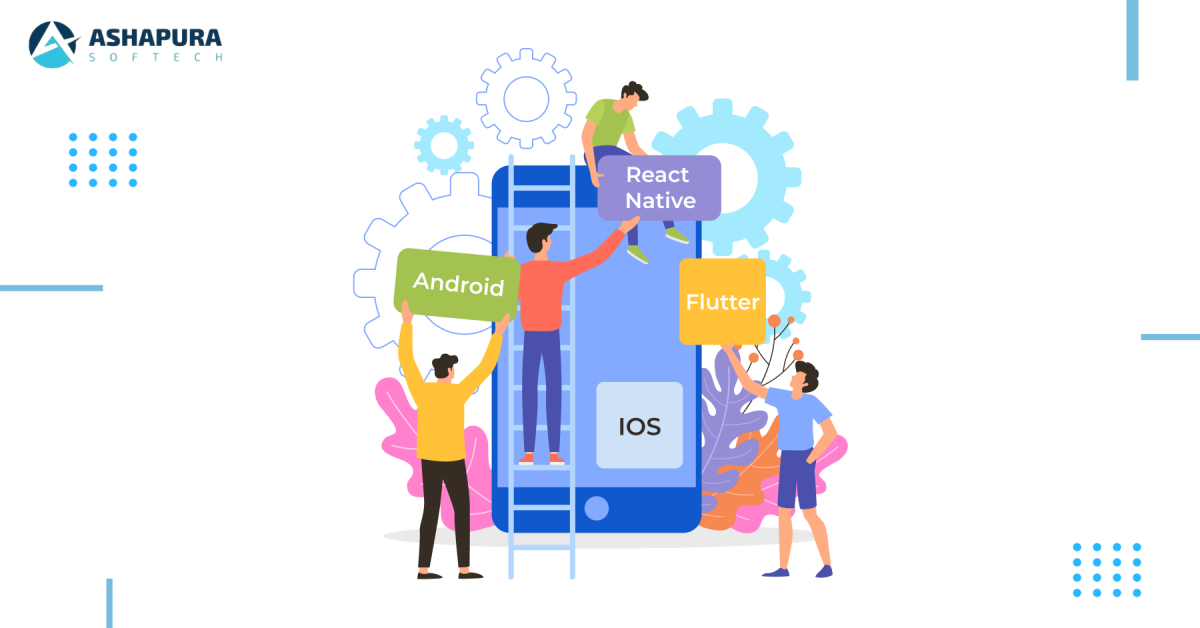
Choose native (Swift, Kotlin) for performance or cross-platform (Flutter, React Native) for faster development across devices.

Backend Options

Firebase is great for quick setup. AWS or custom servers give you more control. Choose based on your app’s complexity.

APIs, SDKs, and Third-Party Integrations

Accelerate development with prebuilt tools like Stripe (payments), Twilio (communication), or Google Maps.

Chapter 5: Development – Turning Ideas Into Code

Agile vs. Waterfall Development

Agile allows for flexible iterations; Waterfall is linear. Most startups benefit from Agile for faster feedback loops.

Setting Up Repositories and CI/CD

Use GitHub or GitLab for version control. Set up continuous integration (CI) pipelines for efficient code testing and deployment.

Working with Developers or Agencies

Hire wisely. Review portfolios, conduct interviews, and check references. Good communication is key.

Chapter 6: Testing & Quality Assurance

Manual vs. Automated Testing

Combine manual UI testing with automated test scripts to catch bugs early.

Usability Testing with Beta Users

Release a beta version via TestFlight or Firebase App Distribution. Gather feedback, observe behavior, and improve.

Performance, Security, and Bug Tracking

Don’t ignore performance. Use tools like Sentry or Crashlytics to monitor errors and ensure data security.

Chapter 7: Pre-Launch Marketing and Hype Building

Landing Pages and Waitlists

Use platforms like Webflow or Carrd to create a compelling landing page. Start collecting email signups early.

Social Media & Influencer Strategy

Document your build journey on Twitter, LinkedIn, or TikTok. Connect with influencers to expand reach.

App Store Optimization (ASO)

Optimize your app name, description, and screenshots. Use relevant keywords to rank higher in search.

Chapter 8: Launch Day! Going Live with Impact

Submitting to App Stores

Follow guidelines for the Apple App Store and Google Play. Prepare icons, screenshots, and privacy policies.

Launch Checklists

Check server readiness, update metadata, prep support docs, and notify your email list.

Handling Feedback and Reviews

Respond quickly. Thank users, acknowledge issues, and roll out bug fixes fast.

Chapter 9: Post-Launch: Iterate, Improve, and Scale

User Analytics and Retention

Track KPIs with tools like Mixpanel, Amplitude, or Firebase. Understand what keeps users engaged.

Feature Updates and Roadmapping

Release features based on user feedback. Use a public roadmap (like Trello or Canny) to build community trust.

Monetization Strategies

Consider freemium, subscriptions, in-app purchases, or ads. Test and iterate for maximum ROI.

Chapter 10: Common Mistakes First-Time Founders Make

What to Avoid

  • Building too many features
  • Skipping user validation
  • Underestimating development time
  • Ignoring marketing
  • Not planning for post-launch

Lessons Learned from Failed Apps

Learn from others. Read postmortems. Most failures stem from poor planning or user disconnect.

FAQs

Q1: Do I need to know how to code to build an app?
A: No. With no-code tools like Bubble and Glide, you can build simple apps without writing code. But for complex apps, hiring a developer is wise.

Q2: How long does it take to build an app?
A: An MVP might take 2-4 months. A full-featured app could take 6 months to a year.

Q3: How much does it cost to build an app?
A: Costs vary. Freelancers may charge $5K–$15K. Agencies could cost $20K–$100K+. Budget for testing and marketing too.

Q4: What are some good tools for beginners?
A: Figma (design), Trello (planning), Firebase (backend), FlutterFlow (low-code), and Notion (documentation).

Q5: How do I get users to download my app?
A: Build pre-launch buzz, optimize your app store listing, engage on social media, and use email campaigns and influencer outreach.


Conclusion

Building your first mobile app isn’t just about writing code – it’s about bringing your vision to life, solving real-world problems, and creating something people genuinely want to use. From validating your idea and defining your MVP to choosing the right tech stack, testing thoroughly, and launching with impact, every step in the journey teaches you something invaluable. The process may seem overwhelming, but your dream app can become a reality with the right guidance, tools, and a solid roadmap. At Ashapura Softech, we specialize in helping first-time founders and startups turn app ideas into market-ready digital products. Whether you need end-to-end development support or guidance on specific stages, we’re here to help you succeed. Contact us our team at [email protected] to turn your vision into a fully functional app.

Categories
Mobile App

Mobile App Strategy in 2026: Development and Marketing Strategies That Work

Last updated: 19 October 2026

Quick answer

A mobile app development strategy is the plan that decides what your app must achieve, who it is for, which platform and tech stack you build on, what goes into the first release, and how you will launch, measure and improve it. Most businesses in 2026 start with a focused MVP, build cross-platform with Flutter or React Native unless they need deep device features, and budget for marketing and updates from day one, not only for the build.

Free CRM health-check template

A good app is only half the product; the other half is what happens to customer data behind it. Run our 30-point CRM health check before you build.

Get the free CRM health check

Introduction

Good mobile app development strategies start with a clear mobile app strategy: who the app is for, what single job it does better than your website, and how you will measure it. This guide covers both the development and the marketing side, updated for 2026.

In today’s digital age, mobile apps have become an essential tool for businesses to engage customers, enhance user experience, and drive revenue growth. With millions of apps available in app stores, having a well-defined mobile app development strategy is critical to standing out in the competitive landscape. Whether you are a startup or an enterprise, partnering with a mobile app development company can help you build a feature-rich, scalable, and high-performance application.

Statistics on Mobile App Development

The figures below were updated in October 2026 and each one links to its source.

  • People downloaded nearly 150 billion apps and games across iOS and Google Play in 2025, up 0.8% on 2024, according to Sensor Tower’s 2026 State of Mobile report.
  • Global in-app purchase revenue rose 10.6% to $167 billion in 2025, and spending in non-game apps passed games for the first time (Sensor Tower, January 2026).
  • Consumers spent 5.3 trillion hours in iOS and Google Play apps in 2025, roughly 3.6 hours a day per mobile user (Sensor Tower). The US was the largest market by revenue, with consumers spending nearly $60 billion.
  • 91% of US adults owned a smartphone in 2025, and 16% used a smartphone with no home broadband, so for some customers the phone is their only internet connection (Pew Research Center Mobile Fact Sheet, November 2025).
  • Apple says its App Store ecosystem facilitated more than $1.4 trillion in developer billings and sales in 2025, and that developers paid no commission to Apple on more than 90% of it. The figures come from an Analysis Group study Apple commissioned (Apple Newsroom, June 2026).
  • Generative AI app downloads doubled to 3.8 billion in 2025, and in-app purchase revenue from these apps nearly tripled to more than $5 billion (Sensor Tower).
Mobile app development strategies: two colleagues mapping an app plan on a whiteboard
Most mobile app development strategies fail at the planning stage, not in the code.

Choosing the Right Mobile App Development Strategy

Selecting the right mobile app development strategy is crucial for creating an application that not only delivers an excellent user experience but also helps you achieve your business goals. To ensure success, you must consider several key factors before beginning the development process.

1. Research the Market

Before diving into mobile app development, conducting thorough market research is essential. Understanding your target audience’s pain points and expectations will help you build an app that truly adds value to their lives. As a mobile app development company, it is vital to identify trends, analyze competitors, and determine what makes your app stand out.

2. Determine the Scope of the App

Defining the scope of your mobile application ensures a streamlined development process. This includes identifying the type of app, selecting a framework, setting success criteria, and outlining your target audience.

Additionally, studying competitors in the mobile app development industry will provide insights into best practices and potential challenges. Without a clear scope, your mobile app development strategy may fail, leading to wasted time and resources.

3. Know the Budget and Time Required

Budget planning is one of the most critical aspects of mobile app development services. Developing an app requires financial investment and time commitment. However, a well-developed mobile app has immense profit potential. By choosing the right mobile app development strategy that aligns with your budget and goals, you can maximize your return on investment.

4. Determine the Preferred Platform

Deciding whether your mobile app will be available on Android, iOS, or both is an important step. This choice directly impacts your budget and the app’s market reach.

For instance, if your target users primarily use Android devices, focusing on Android app development is a wise decision. However, if your audience includes both Android and iOS users, investing in a cross-platform app can be more beneficial. As a mobile app development agency, making an informed platform choice will enhance the app’s success.

5. Involve the Development Team Early

Technical expertise plays a significant role in app development. Engaging a team of professional mobile app developers early in the process will help you make informed decisions regarding the development approach, features, and frameworks.

6. Choose a Development Framework

Selecting the right development framework simplifies and accelerates the app development process. Popular frameworks include React Native, Flutter, .NET MAUI (which replaced Xamarin after Microsoft ended Xamarin support in May 2024), Kotlin Multiplatform and Ionic. The choice depends on factors like platform preference, budget constraints, and the technical expertise of your mobile app development firm. React Native, for example, is widely used due to its flexibility and efficiency in building high-performance apps.

7. Create an MVP and Test

Building a Minimum Viable Product (MVP) allows you to test essential app features and gather valuable user feedback. This feedback helps refine the app, identify necessary improvements, and enhance security measures. An MVP enables mobile app development companies to fine-tune their strategy and ensure the final product aligns with user expectations.

8. Always Be Ready for a Pivot

Mobile app development is an evolving process. As new discoveries emerge during testing, the scope of the project may shift. Flexibility is key – developers must be prepared to adjust their mobile app development strategy to accommodate changes.

Additionally, ongoing support and updates are essential to maintaining the app’s relevance and performance. A reliable mobile app development agency ensures continuous improvements, bug fixes, and feature enhancements to keep the app competitive in the market.

Best Mobile App Marketing Strategies and How to Simplify Them

Mobile apps have become an essential part of our daily lives, driving businesses to invest in mobile app development services. However, having a well-developed app is just the beginning. To ensure success, businesses need an effective mobile app marketing strategy that helps them reach the right audience, increase downloads, and improve user retention.

In this article, we’ll explore the best mobile app marketing strategies and how you can simplify them for maximum impact.

Understanding Mobile App Marketing

Mobile app marketing is the process of promoting a mobile application to increase its visibility, attract users, and ensure retention. A well-planned strategy helps mobile app development firms gain a competitive advantage and maximize their return on investment (ROI).

Why Is Mobile App Marketing Important?

  • Increases Visibility: With millions of apps available, marketing ensures your app stands out.
  • Drives Downloads: An effective strategy encourages more users to install the app.
  • Enhances User Retention: A solid marketing plan keeps users engaged and reduces uninstall rates.
  • Boosts Revenue: More users mean increased monetization opportunities.

Now, let’s dive into the best mobile app marketing strategies and how to simplify them.

1. Pre-Launch Marketing Strategy

A well-thought-out pre-launch strategy is crucial for building anticipation and ensuring a successful launch.

Steps to Follow:

  • Market Research: Identify your target audience and competitors.
  • Define a Unique Selling Proposition (USP): Highlight what makes your app different.
  • Create a Landing Page: A dedicated website or landing page provides users with information about your app.
  • Build a Community: Engage potential users through social media, blogs, and forums.
  • Beta Testing: Involve early adopters to gather feedback and improve the app before launch.

How to Simplify:

Use automated tools for market research, competitor analysis, and email marketing to reduce manual efforts and streamline the process.

2. App Store Optimization (ASO)

App Store Optimization (ASO) improves your app’s visibility on app stores like Google Play and Apple’s App Store.

ASO Best Practices:

  • Keyword Optimization: Use relevant keywords in your app title and description.
  • High-Quality App Icon: An eye-catching icon attracts more downloads.
  • Screenshots and Video Previews: Showcase your app’s best features.
  • User Reviews and Ratings: Encourage positive reviews to improve credibility.

How to Simplify:

Use ASO tools like Sensor Tower (which absorbed App Annie in 2024) or AppTweak to automate keyword tracking and competitor analysis.

3. Social Media Marketing

Leveraging social media platforms helps drive awareness and engagement.

Effective Social Media Tactics:

  • Run Paid Ads: Targeted ads on Facebook, Instagram and X can boost app installs.
  • Influencer Marketing: Collaborate with influencers to reach a wider audience.
  • Engage with Users: Respond to comments, messages, and feedback.

How to Simplify:

Schedule posts using social media management tools like Buffer or Hootsuite to save time and maintain consistency.

4. Content Marketing

Creating valuable content helps establish authority and drive organic traffic to your app.

Content Marketing Strategies:

  • Blog Posts: Write about industry trends, app features, and user benefits.
  • Video Tutorials: Demonstrate how to use the app effectively.
  • Guest Blogging: Collaborate with industry websites to expand reach.

How to Simplify:

Repurpose content across different formats (blogs, videos, infographics) to maximize efficiency.

5. Influencer and Affiliate Marketing

Partnering with influencers and affiliates can expand your reach and credibility.

Steps to Implement:

  • Identify Relevant Influencers: Look for influencers in your niche.
  • Provide Incentives: Offer commission-based earnings or exclusive app access.
  • Track Performance: Use UTM parameters and affiliate tracking links to measure success.

How to Simplify:

Use influencer marketing platforms like Upfluence or Heepsy to find and manage influencer collaborations.

6. Paid Advertising

Paid ads can give your app an instant boost in downloads and visibility.

Best Advertising Platforms:

  • Google Ads (App campaigns)
  • Facebook & Instagram Ads
  • TikTok & YouTube Ads

How to Simplify:

Set up automated ad campaigns and A/B test different creatives to optimize performance without manual intervention.

7. Email and Push Notification Marketing

Retaining users is as important as acquiring them, and email and push notifications can help keep them engaged.

Best Practices:

  • Personalized Emails: Send targeted content based on user behavior.
  • Push Notifications: Remind users of app features, updates, and special offers.
  • Re-Engagement Campaigns: Reach out to inactive users with special promotions.

How to Simplify:

Use email automation tools like Mailchimp and push notification platforms like OneSignal to schedule and personalize messages.

8. Referral and Loyalty Programs

Encouraging users to refer your app to others can lead to organic growth.

Steps to Implement:

  • Offer Rewards: Provide discounts, premium features, or in-app currency for referrals.
  • Gamify the Experience: Use leaderboards or point systems to make referrals fun.
  • Promote Across Channels: Share referral links via social media, email, and in-app messages.

How to Simplify:

Use referral program software like ReferralCandy or Friendbuy to automate tracking and rewards.

9. App Performance Optimization

Ensuring a seamless user experience leads to higher retention rates.

Key Focus Areas:

  • Speed Optimization: Ensure fast loading times.
  • Bug Fixes: Regularly update the app to fix glitches.
  • User Feedback Implementation: Act on user reviews and suggestions.

How to Simplify:

Use app performance monitoring tools like Firebase or New Relic to track and fix issues proactively.

10. Post-Launch Marketing and Ongoing Support

Even after a successful launch, continued marketing is essential.

Strategies:

  • Regular Updates: Keep users engaged with new features.
  • Community Building: Foster engagement through forums and social media groups.
  • Customer Support: Offer seamless support via chat, email, or social media.

How to Simplify:

Implement chatbots and automated support systems to handle common queries efficiently.

Mobile app strategy review: a product team checking store deadlines and launch tasks
Store rules, fees and SDK deadlines now belong in every mobile app strategy.

Mobile app strategy in 2026: what changed

Section added October 19, 2026.

The planning steps above still work. What moved over the last 18 months is the ground around them: who can distribute an app, what the stores charge, which privacy and age rules apply, and how much AI now runs on the phone itself. If you are planning a US app in late 2026, these are the changes worth writing into your plan.

Store rules and deadlines

Google now ties Android installs to verified developers. Its June 18, 2026 update says enforcement started on September 30, 2026 for users in Brazil, Indonesia, Singapore and Thailand, and will expand globally to all apps on certified Android devices in 2027. Google Play developers had to register any remaining apps by that date to avoid removal, and teams that distribute outside Play need to register through the Android Developer Console. If your plan includes sideloaded or enterprise builds, budget time for this.

The technical minimums also moved. Apple has required uploads to be built with Xcode 26 and the iOS 26 SDK since April 28, 2026. On Google Play, new apps and updates must target Android 16 (API level 36) from August 31, 2026, with extensions available to November 1, 2026.

Payments and store fees

In a March 4, 2026 post, Google said it had resolved its disputes with Epic Games worldwide. Developers can use their own billing alongside Google Play billing or send users to their website to pay. Google cut its in-app purchase service fee to 20%, set recurring subscriptions at 10%, and added a separate 5% fee in the US, UK and EEA for developers who use Play billing. The US, UK and EEA changes were due by June 30, 2026.

On iOS the US picture is still unsettled. The Ninth Circuit largely upheld the Epic v. Apple ruling in December 2025, so developers can link users to outside purchases, but it said Apple may charge a reasonable commission on those purchases. The Supreme Court agreed on June 30, 2026 to hear Apple’s contempt appeal, and as of August 2026 the district court had not set a rate. Model your pricing with and without a link-out fee.

AI on the device

Both platforms now give developers built-in language models. Google’s ML Kit GenAI APIs run Gemini Nano locally for summarizing, proofreading, rewriting and image description, with no per-call cost, but only on supported devices. At WWDC26, Apple engineers said the on-device Foundation Model works offline and now accepts image input, and MacRumors reported free access to Apple’s models on Private Cloud Compute for developers with fewer than two million first-time App Store downloads. Plan a fallback for phones that cannot run these models.

Cross-platform frameworks

React Native 0.82 (October 2025) runs only on the New Architecture, so older React Native apps need migration time. JetBrains has declared Compose Multiplatform for iOS stable, which makes Kotlin Multiplatform a real third option next to Flutter and React Native.

Privacy and age rules

The amended COPPA Rule has applied since April 22, 2026, adding separate parental consent for third-party disclosure plus written retention and security programs. Texas’s App Store Accountability Act took effect after the Fifth Circuit stayed the injunction on May 28, 2026; developers must use app store age signals and consent data. Utah, Louisiana and Alabama have passed similar laws. Check these with your lawyer, not a blog post.

A one-page mobile app strategy template

  • Goal: one business outcome and two or three KPIs the mobile app strategy will be judged on.
  • User and job: the main user and the single task the app must make easier.
  • Platform choice: native, cross-platform (Flutter, React Native or Kotlin Multiplatform) or a web app, and why.
  • MVP scope: the three to five features in release one, and what is out.
  • Money: in-app purchase, subscription or web checkout, with fee assumptions for each store.
  • Compliance: developer verification, SDK and target API deadlines, store age ratings, COPPA and state age laws.
  • AI features: on-device or cloud, and the fallback for unsupported phones.
  • Data and integrations: what the app reads from and writes to your CRM, ERP or backend.
  • Launch and review: release cadence, analytics events, and a date each quarter to revisit the app strategy.

How to build a mobile app development strategy in 7 steps

The strategies above cover marketing once an app exists. This is the part that comes first: the application development strategy that decides what you build and how. We use these seven steps when scoping app projects with clients.

  1. Set one business goal and two or three KPIs. For example, cut support calls by 20% or reach 5,000 monthly active users in six months. Every later decision should trace back to this.
  2. Know your user and their main job. Interview five to ten target users. Write down the one task they will open the app for most often.
  3. Choose app, web app or both. If users need the camera, offline access, push notifications or daily use, a mobile app makes sense. If they visit occasionally, a responsive web app is often enough. The table below compares the options.
  4. Scope an MVP. List every feature, then keep only what supports the main job. Test the flow with a clickable prototype before writing code. Our guide to software prototyping explains how.
  5. Pick the tech stack and backend. Decide the framework, the backend and APIs, and how the app connects to your CRM or ERP. This is where integration costs hide.
  6. Plan security, privacy and store rules. Cover authentication, data storage, privacy labels for the App Store and Google Play, and any industry rules such as HIPAA.
  7. Launch, measure, improve. Set up analytics and crash reporting before launch, plan app store optimization, and schedule a release every two to four weeks based on what users actually do.

Native vs cross-platform vs web app

OptionWhat it meansBest forTrade-off
NativeSeparate apps in Swift (iOS) and Kotlin (Android)Apps that need top performance or deep device featuresTwo codebases, higher cost
Cross-platformOne codebase for both stores, usually Flutter or React NativeMost business and consumer appsSome device features need native code
Progressive web app (PWA)A website that installs to the home screen and can work offlineInternal tools and occasional-use apps on a tight budgetFewer device features and no app store presence by default

For a full walkthrough from idea to launch, see our mobile app development guide and building your first app from concept to launch.

For two worked examples of on-demand app planning, see our breakdowns of cloud kitchen app development and milk delivery app development, including the features and cost drivers for each.

FAQs

1. What is the most cost-effective mobile app marketing strategy?

App Store Optimization (ASO) and referral marketing are cost-effective ways to boost downloads without a large advertising budget.

2. How long does it take to see results from mobile app marketing?

Results vary, but a well-structured strategy can yield noticeable improvements in user acquisition and retention within 3-6 months.

3. What is the best platform for running paid ads for a mobile app?

Google Ads (App campaigns) and Facebook Ads are two of the most widely used platforms for driving app installs.

4. How can I improve user retention for my mobile app?

Focus on personalized push notifications, in-app engagement features, and loyalty programs to keep users active.

5. Do I need a big budget for mobile app marketing?

Not necessarily. Many organic strategies like ASO, social media marketing, and referral programs can drive growth without heavy investment.

6. What is a mobile app development strategy?

It is the plan that sets your app’s business goal, target users, platform, tech stack, first-release scope, launch plan and how you will measure success. It comes before design and coding.

7. Should I build a native or cross-platform app in 2026?

Cross-platform with Flutter or React Native suits most business apps because one codebase serves iOS and Android. Choose native when the app depends on heavy graphics, advanced device features or the best possible performance.

8. Do I need a mobile app or a web app?

Build a mobile app if users need offline access, push notifications, the camera or daily use. A responsive web app or progressive web app is usually enough for tools people use occasionally.

What should a mobile app strategy include in 2026?

A mobile app strategy should cover one business goal with two or three KPIs, the main user and task, the platform choice, MVP scope, how the app makes money, and compliance. In 2026 that compliance list includes Google’s Android developer verification, Apple’s Xcode 26 build requirement, Google Play’s Android 16 target API rule, the amended COPPA Rule and state app store age laws such as Texas’s.

How do app store fee changes affect my mobile app strategy?

Google said in March 2026 that it cut its in-app purchase service fee to 20%, set subscriptions at 10% and lets developers use their own billing or send users to a website, with a separate 5% fee in the US, UK and EEA for using Play billing. On iOS in the US, developers can link to outside purchases, but the commission Apple may charge on them was still being decided in court as of August 2026. Build your pricing model for more than one fee scenario.

Should my mobile app strategy use on-device AI?

It is worth considering if your features involve text such as summaries or rewriting. Google’s ML Kit GenAI APIs run Gemini Nano on supported Android devices with no per-call cost, and Apple’s Foundation Models framework includes an on-device model that works offline. Neither runs on every phone, so your mobile app strategy needs a fallback for unsupported devices.

Conclusion

In today’s fast-paced digital world, implementing the right mobile app development strategies is crucial for business success. From user-centric design to robust security, performance optimization, and scalability, these strategies help businesses stay competitive and drive growth. By leveraging the latest technologies and best practices, you can create high-performing apps that engage users and deliver exceptional value. Ready to take your mobile app to the next level? Partner with Ashapura Softech for expert mobile app development solutions tailored to your business needs. Contact us today at [email protected] and let’s build something amazing together.

Sources

Categories
Mobile App

How to a Mobile App Development For Successful Business: A Complete Guide

Introductions

According to Statista, by 2026, mobile app downloads will reach 143 billion on Google Play and 38 billion on the Apple App Store – staggering numbers that highlight the industry’s explosive growth!

A report from Grand View Research states that the global mobile app market was valued at $228.98 billion in 2023 and is projected to grow at a CAGR of 14.3% from 2024 to 2030.

This surge in mobile app adoption, fueled by technological advancements such as robust frameworks and low-code development, creates a golden opportunity for business leaders.

Our comprehensive guide delves into mobile app development methodologies, emerging trends, and cost insights – helping you navigate the complexities of app development and ensure your app thrives in today’s fast-evolving market.

What is Mobile App Development?

Mobile app development is the process of designing, building, and deploying applications that run on mobile devices such as smartphones and tablets. It involves several key stages, including idea conceptualization, UI/UX design, coding, testing, and deployment.

Modern app development utilizes a wide range of programming languages, frameworks, and tools, such as Swift, Kotlin, Java, Python, React Native, and Flutter. Developers also leverage APIs, cloud storage, and robust security infrastructures to enhance app performance and protect user data.

There are several development methodologies, including Agile, DevOps, and DevSecOps, which help streamline workflows, improve collaboration, and ensure the timely delivery of high-quality applications.

The ultimate goal of mobile app development is to create secure, high-performance, and user-friendly applications that enhance customer experiences while driving business growth.

What are the different types of mobile apps?

In the last decade, there has been quite a dramatic surge in the demand for intelligent applications to drive customer engagement and business outcomes. We now have a wealth of tools and platforms to help us from the conceptualization stage to when we finally deploy the app to a chosen environment and publish it for the users.

However, no matter what app idea strikes you, it’ll likely fall into one of four categories: native apps, cross-platform apps, progressive web apps, or hybrid apps.

Native apps

Native apps are built for specific devices and operating systems such as Android and iOS. Native app developers write these apps using the programming languages and frameworks the platform owner provides. So, the development team will use Java and Kotlin if it is an Android-based application. For iOS, the preferred languages are Objective C and Swift.

Although Native app development offers a long list of benefits, the most outstanding advantage is that native apps are compatible with the hardware and software of the devices they run on. This leads to superior app performance and customer experience.

Cross-platform apps

Cross-platform mobile applications, or multi-platform applications, are software applications built to run across several operating systems using a single codebase. Mobile app development companies can use this development approach to accelerate development and time to market while also successfully lowering development costs and reaching a wider audience.

Cross-platform mobile applications can be built using diverse programming languages and frameworks like Java, JavaScript, Python, React Native, and Flutter. Read more about cross-platform apps here.

Progressive Web Apps (PWAs)

Progressive web apps (PWAs) represent another mobile development approach in which the development team combines the best of mobile and web and paves the way for a new breed of software applications.

Progressive web apps are built using web technologies such as HTML, CSS, and JavaScript and are designed to unleash a native-like experience. PWAs are accessible through web browsers or downloaded from an app store.

Hybrid apps

Another development approach for building mobile apps is hybrid apps. These applications are web apps with a native app shell that connects to a mobile platform’s capabilities through an embedded browser.

Hybrid app development can be considered for building apps that are usable offline, take advantage of device capabilities, or run across platforms such as Android and iOS. Hybrid apps are built with HTML, CSS, and JavaScript web technologies.

Each mobile app development methodology presents its challenges and opportunities. For a start-up, a cross-platform approach might be more appropriate, while for another, native development might be the best route to capture a business opportunity.

Native apps

Hybrid apps

PWAs

Cross-platform apps

Programming languages used

Swift, Objective-C (iOS); Java, Kotlin (Android)

HTML, CSS, and JavaScript with a native wrapper

HTML, CSS, JavaScript

JavaScript, Dart (Flutter), C#, etc.

Access to the device and hardware features

Full access to all device APIs and features

Limited access via plugins

Limited access via service workers

Nearly full access, depending on the framework

User experience (UX)

Excellent

Good

Good

Good

Target platforms

Unique codebase required for each targeted platform

Designed to work on multiple platforms

Can be browsed on the web or downloaded on the mobile

Performs across various platforms with a single codebase

Frameworks

SwiftUI, UIKit, Jetpack Compose

Ionic, Cordova, PhoneGap

Workbox, AngularJS, ReactJS

React Native, Flutter, Xamarin, Unity

Backend Integration

Easy with platform-specific tools

Easy with plugins

Moderate (depends on web APIs)

Easy with frameworks like Firebase, GraphQL

How to Create a Mobile App?

Creating a mobile application requires a well-defined strategy and structured execution. The process begins with an idea, followed by thorough research, planning, and development. To ensure a successful mobile app, businesses must outline key objectives, understand their target audience, and select the right technology stack. Here’s a step-by-step guide to mobile app development:

1. Define Your App Idea and Strategy

Before writing a single line of code, it’s essential to have a clear vision of what your app will accomplish. Ask yourself:

  • What problem does my app solve?
  • Who are my target users?
  • What value will it provide to users?
  • What platforms (Android, iOS, or both) should the app support?
  • What are the key features and functionalities required?

Additionally, conducting market research is crucial. Analyze competitors, identify gaps, and determine the unique selling proposition (USP) of your app.

2. Planning and Market Research

Once the idea is defined, extensive research should be conducted to assess demand, user preferences, and competition. This phase involves:

  • Identifying your primary user demographic
  • Studying similar apps and their shortcomings
  • Gathering feedback from potential users
  • Setting a realistic budget and development timeline

Gaining stakeholder and leadership buy-in early in the process helps minimize friction and ensures smoother execution.

3. Define the App Requirements and Features

After research, it’s time to define the core aspects of your app. This includes:

  • Creating a list of must-have features (e.g., authentication, push notifications, payment gateway, chat functionality)
  • Deciding on backend and frontend technologies
  • Choosing the appropriate development methodology (Agile, DevOps, or DevSecOps)
  • Addressing data security and compliance considerations

4. Designing the User Interface (UI) and User Experience (UX)

A well-designed mobile app must be visually appealing and user-friendly. This stage involves:

  • Wireframing: Creating a blueprint of the app’s layout
  • UI/UX design: Ensuring smooth navigation and intuitive interactions
  • User Testing: Gathering feedback on usability and making necessary improvements

A great design can enhance user engagement and reduce bounce rates.

5. Choosing the Right Technology Stack

Selecting the right technology stack is crucial for performance and scalability. Some popular choices include:

  • Native Development: Swift (iOS), Kotlin (Android)
  • Cross-Platform Development: React Native, Flutter
  • Backend Development: Node.js, Django, Ruby on Rails
  • Databases: Firebase, PostgreSQL, MongoDB

Your tech stack should align with your app’s requirements and long-term goals.

6. Development and Coding

This phase involves writing the actual code for your mobile app. Depending on the methodology chosen, development is carried out in sprints (Agile) or through continuous integration and deployment (DevOps).

Key components include:

  • Frontend Development: Creating the app interface and functionality
  • Backend Development: Handling databases, authentication, and APIs
  • API Integration: Connecting third-party services for payments, maps, analytics, etc.

7. Testing and Quality Assurance

Thorough testing is essential to ensure a bug-free and seamless user experience. Testing methods include:

  • Functional Testing: Ensuring all features work as intended
  • Performance Testing: Measuring app speed and responsiveness
  • Usability Testing: Checking user-friendliness
  • Security Testing: Identifying vulnerabilities
  • Compatibility Testing: Ensuring the app runs smoothly across different devices and operating systems

8. Deployment and Launch

Once testing is complete, the app is ready for deployment. Key steps include:

  • Submitting the app to the Google Play Store and Apple App Store
  • Adhering to store guidelines and policies
  • Implementing an effective launch and marketing strategy
  • Monitoring user feedback and addressing early issues

9. Post-Launch Support and Maintenance

App development doesn’t end at launch. Regular updates, bug fixes, and performance improvements are necessary to keep the app functional and competitive. Businesses should also track user behavior and app analytics to refine the app over time.


Current Trends in Mobile App Development

The mobile app industry is evolving rapidly, driven by technological advancements and changing user demands. Here are some of the top trends shaping the future of mobile app development:

1. Low-Code/No-Code Development

Low-code and no-code platforms empower businesses to develop applications with minimal programming effort. These tools make app development accessible to non-technical users, reducing development time and cost.

  • By 2025, over 70% of new business applications will use low-code/no-code solutions.
  • Platforms like OutSystems, Mendix, and Microsoft Power Apps are leading this revolution.

2. On-Demand Apps

On-demand apps have become a significant part of the digital economy, offering convenience and real-time services. Examples include:

  • Ride-hailing: Uber, Ola
  • Food delivery: DoorDash, Zomato
  • Home services: TaskRabbit, Angi

A PwC report predicts the on-demand economy will generate $335 billion by 2025.

3. Super Apps

Super apps integrate multiple services within a single platform, offering users a seamless experience. These apps eliminate the need to switch between multiple applications for different services.

  • Examples: WeChat, Gojek, Tata Neu
  • Gartner defines super apps as “a Swiss army knife” for digital services.

4. 5G Technology Adoption

The rise of 5G networks is transforming mobile experiences with:

  • Faster download and upload speeds (up to 10 Gbps)
  • Enhanced streaming, gaming, and AR/VR capabilities
  • Improved real-time interactions and reduced latency

5. Internet of Things (IoT) Integration

IoT-powered mobile apps connect smart devices, enabling automation and real-time monitoring. Sectors like healthcare, smart homes, and manufacturing are leveraging IoT for:

  • Remote monitoring
  • Smart device control
  • Predictive maintenance

6. AI-Driven Development

Artificial Intelligence (AI) is revolutionizing mobile applications with:

  • Personalized recommendations (Netflix, Spotify)
  • AI chatbots for customer service
  • Enhanced security with facial and voice recognition

AI is also changing how the apps themselves are built, from code assistants to automated testing. Our guide on how AI and automation are transforming software development covers that side in detail.
7. AR/VR & Immersive Experiences

Augmented Reality (AR) and Virtual Reality (VR) are enhancing user engagement, particularly in gaming, e-commerce, and education. Notable examples include:

  • Pokémon GO (AR Gaming)
  • IKEA Place (AR Furniture Shopping)
  • Oculus Rift (VR Entertainment)

Top 5 Essential Features to Include in Your Mobile App

People are using mobile apps more than ever – millions of apps are waiting to be downloaded on prominent app stores. However, how would you ensure that your apps stand out in such a crowded space?

The key to building a successful mobile app is ensuring it has all the essential features to provide an excellent customer experience and help you reach your business goals. Here are some key characteristics of a good app:

1. Intuitive and Engaging UI

Mobile apps have a high churn rate, so designing an intuitive and engaging user interface (UI) is crucial. A great first impression determines whether a user stays or abandons the app.

To get started, research your competitors and analyze their UI/UX designs. Identify what works and what doesn’t. Keep your UI clutter-free, with a consistent design across all pages, so users feel comfortable while navigating your app.

Consider implementing:

  • Minimalistic Design: Avoid unnecessary elements that complicate the interface.
  • Responsive UI: Ensure adaptability across different devices and screen sizes.
  • Simple Navigation: Keep menus and action buttons easy to find.
  • Visual Hierarchy: Use appropriate color schemes, typography, and icons to enhance the user experience.

A well-designed UI helps retain users and increases engagement, leading to higher conversions and app success.

2. Superfast Loading Time

Speed matters. A slow-loading app frustrates users and leads to high bounce rates. Apps that load within two to three seconds perform significantly better than those with longer wait times.

To improve app speed, consider:

  • Optimizing Code: Remove unnecessary elements and use lightweight frameworks.
  • Using Content Delivery Networks (CDN): A CDN ensures fast content delivery, reducing server load times.
  • Enabling Caching: Store frequently used data locally to improve app responsiveness.
  • Compressing Images and Videos: Reduce file sizes without compromising quality to improve loading times.

Faster apps improve user satisfaction, boost engagement, and contribute to better search engine rankings for web-integrated applications.

3. Built-in Integrations

For a seamless experience, your mobile app should be integration-friendly. This means allowing users and businesses to connect the app with other systems, applications, or third-party services.

Key integrations include:

  • Payment Gateways: Offer secure payment options like PayPal, Stripe, or Apple Pay.
  • Social Media Integration: Enable users to log in via Facebook, Google, or LinkedIn for a smoother onboarding process.
  • CRM & ERP Connectivity: Businesses using Salesforce, HubSpot, or Microsoft Dynamics benefit from seamless customer data access.
  • Third-Party APIs: Implement APIs for maps, chat support, or analytics.

A well-integrated app ensures smooth operations and better user engagement by eliminating unnecessary manual processes.

4. Data Integrity and Security

Security is a non-negotiable aspect of mobile app development. Users trust apps with their personal data, so implementing stringent security measures is vital.

Consider the following security measures:

  • Multi-Factor Authentication (MFA): Protect user accounts with two-step verification.
  • Data Encryption: Encrypt sensitive data both at rest and in transit.
  • Secure APIs: Use authorized APIs to prevent unauthorized access.
  • Regular Security Updates: Patch vulnerabilities promptly to stay ahead of potential cyber threats.

Compliance with data protection regulations such as GDPR (General Data Protection Regulation) and CCPA (California Consumer Privacy Act) is also crucial. Ensuring data integrity builds trust and strengthens your app’s credibility.

5. Chat Support and Callback Functions

Customer support is a key differentiator for mobile apps. Features like AI-driven chatbots, live chat support, and callback functions enhance user satisfaction and reduce churn rates.

Benefits of chat support and callbacks:

  • 24/7 Assistance: AI-driven chatbots provide instant responses.
  • Personalized User Experience: NLP-based chatbots analyze user queries to offer tailored responses.
  • Seamless Issue Resolution: Callback features ensure that users don’t have to wait in long queues for assistance.
  • Cost Efficiency: Automating support reduces the need for extensive customer service teams.

Providing efficient support makes your app more reliable and improves overall user engagement.


Other Must-Have Features for Mobile Apps

While the above five features are crucial, additional elements can further enhance the app experience:

Push Notifications

Keep users engaged with timely alerts and personalized messages. Push notifications help increase app retention rates by up to 88% when used strategically.

Offline Mode

Allow users to access essential features without an internet connection. Apps like Google Maps offer offline functionality, making them more user-friendly.

Analytics and Reporting

Integrate analytics tools to track user behavior, app performance, and engagement metrics. Tools like Google Analytics, Firebase, and Mixpanel offer valuable insights.

Multi-Device Synchronization

Enable users to switch seamlessly between different devices while retaining their app progress and preferences.

How to Submit Your Mobile App on the App Store and Google Play Store

Developing a mobile app is a significant achievement, but the next crucial step is making it available for users. Before submitting your app for public download, ensure its functionality is error-free. A common best practice is to introduce a beta version of your app first.

Beta testing allows early users to explore your app, providing valuable feedback on its performance, usability, and overall appeal. Their insights help identify strengths and weaknesses, guiding refinements before the official launch. Additionally, this process builds credibility and boosts organic reach, as user ratings and reviews enhance the app’s reputation.

Submitting Your App to the Apple App Store

To submit your app to the Apple App Store, follow these steps:

  • Create an iOS Profile and Distribution Certificate: Apple requires an iOS development profile and a distribution certificate to authenticate your app.
  • Register Your App in App Store Connect: This is Apple’s platform for managing apps, where you create a record for your app.
  • Archive and Upload Your App Using Xcode: Xcode is the primary tool for iOS app development. Use it to archive and upload your app to App Store Connect.
  • Set Up Metadata and Additional Details: Configure essential details, including the app name, description, keywords, screenshots, and pricing information.
  • Submit Your App for Review: Apple reviews submitted apps for compliance with its guidelines. The review process can take a few days.
  • Monitor the App’s Status: Track the status of your app and address any feedback from Apple if revisions are needed.

Submitting Your App to the Google Play Store

To publish your app on Google Play, follow these steps:

  • Prepare App Information: Gather all necessary details such as the app’s title, description, category, and screenshots.
  • Upload APK or App Bundle Files: Use Google Play Console to upload the Android Package (APK) or Android App Bundle (AAB) files.
  • Assign a Content Rating: Google requires developers to provide accurate content ratings to ensure appropriate audience targeting.
  • Set Pricing and Distribution Plans: Decide whether your app will be free or paid and define its availability in different regions.
  • Publish Your App: Once all details are completed, submit the app for review and publishing.

Post-Launch Marketing Strategies

After successfully launching your app, the next step is marketing. Without effective promotion, even the best apps may struggle to gain traction. Consider using the following strategies to maximize visibility:

  • Create Promotional Videos: Demonstrate key features and functionalities of your app in engaging videos and share them on social media platforms.
  • Leverage Social Media Marketing: Platforms like Instagram, Twitter, and LinkedIn can be powerful tools for reaching a larger audience.
  • Encourage User Reviews and Ratings: Positive feedback helps increase downloads and build trust.
  • Run Paid Campaigns: Google Ads and social media advertisements can boost your app’s reach and downloads.

Mobile App Development Trends

To stay competitive, app developers must adopt the latest industry trends. Here are some of the most significant trends shaping mobile app development in 2024:

  • IoT Integration: Mobile apps are now being developed to connect seamlessly with IoT devices, enabling smarter and more interconnected systems.
  • Artificial Intelligence (AI) and Machine Learning (ML): AI and ML integration enhance personalization, automate tasks, and improve user experiences.
  • Augmented Reality (AR) and Virtual Reality (VR): AR and VR technologies transform shopping, gaming, training, and entertainment experiences.
  • Cloud-Based Mobile Apps: Cloud integration enhances security, storage, and computing power, allowing apps to function seamlessly across multiple devices.

Common Pitfalls in Mobile App Development

Developers often encounter challenges that can impact the success of their mobile apps. Avoid these common mistakes:

  • Undefined Target Audience: Without understanding user needs, your app may struggle with engagement and retention.
  • Complex User Interface (UI): Overcomplicated designs can lead to confusion and reduced usability.
  • Lack of Platform Optimization: Apps should be tailored for different operating systems (iOS and Android) to ensure smooth performance.
  • Non-Compliance with App Store Guidelines: Violating Apple’s or Google’s guidelines may result in rejection or removal.
  • Inadequate Testing: Failure to conduct thorough testing can lead to undetected bugs and a poor user experience.
  • Weak Development Strategy: Without a clear roadmap, mobile apps risk failure due to poor execution.

Best Practices for Mobile App Development

To ensure a successful mobile app, follow these best practices:

  • Define a Clear Development Strategy: Establish a well-structured plan, including goals, target audience, and key functionalities.
  • Prioritize User Experience (UX): Design a simple and intuitive UI to enhance user engagement and satisfaction.
  • Stay Updated with New Technologies: Mobile operating systems evolve yearly, so future-proof your app by adopting the latest technologies.
  • Continuously Improve User Interface: Regularly refresh your app’s UI based on user feedback and emerging trends.
  • Analyze User Behavior: Monitor user interactions to introduce relevant features and enhancements.
  • Conduct Thorough Testing: Test your app across various devices and platforms to ensure seamless performance.

How much does it cost to build an app?

The app development cost depends on multiple factors, such as what kind of app you want to build, the scope of work, whether you’re an in-house team or want to outsource the project, whether you will hire one or a few freelancers or a dedicated mobile app development company, and the location of these developers.

Developing a native app costs more than building a cross-platform application. The category of the software application also affects the development costs. So, as you can see, it’s a challenge to estimate how much it’d cost to develop an application.

The average cost to build an app ranges from $40,000–$60,000 for a basic app with simple features to $300,000+ for a complex app for multiple platforms.

Here are some approximate costs for different types of apps:

  • Basic apps: $20,000–$60,000 for simple games, social media, clocks, or games
  • Mid-level apps: $50,000–$200,000 for eCommerce apps, chatting apps, or food delivery apps
  • Complex apps: $80,000–$350,000 for enterprise apps, logistics, and gaming apps, or telehealth apps
  • Netflix-like apps: $25,000–$200,000
  • Holafly-like eSIM apps: $30,000–$300,000
  • Uber-like apps: $30,000–$100,000

It is important to note that these are plain estimates. The actual cost may differ massively, depending on your specific needs regarding the tech stack, app category, location of the development partner, etc.

FAQs

1. Why is mobile app development important for businesses?
Mobile apps enhance customer engagement, improve brand visibility, and provide a seamless user experience. With the increasing number of smartphone users, a mobile app ensures better accessibility and customer retention.

2. What are the key steps in developing a successful mobile app?
The essential steps include market research, defining app objectives, UI/UX design, development, testing, deployment, and ongoing maintenance. A well-planned strategy ensures the app’s success.

3. How much does it cost to develop a mobile app?
The cost varies depending on the app’s complexity, features, platform (iOS, Android, or both), and development approach (native, hybrid, or cross-platform). A basic app may cost a few thousand dollars, while a complex app can cost significantly more.

4. How long does it take to build a mobile app?
Development timelines vary based on complexity. A simple app may take 3-6 months, whereas a feature-rich application can take 9-12 months or more. Regular updates and maintenance are also crucial for long-term success.

5. How can I ensure my app’s success after launch?
Marketing strategies, user feedback, regular updates, and performance optimization are key to an app’s success. Investing in app store optimization (ASO) and customer support also helps retain users.

Final Thoughts

Mobile apps are shaping the future for startups and enterprises, driving business growth in the global market. With the increasing demand for Android and iOS apps, businesses can enhance user experiences and streamline operations with just a few taps and swipes. To stay ahead in the competitive landscape, enterprises must invest in innovative and cost-effective mobile app solutions. Looking for a reliable mobile app development partner? Contact us with Ashapura Softech for cutting-edge solutions tailored to your business needs. Email us at [email protected] to get started today.

Categories
Mobile App

The Future of Enterprise App Development: Key Trends to Watch

The focus of modern business innovation is enterprise application development. It aligns operations efficiently for customers and creates avenues for growth for businesses. Being part of the constantly changing digital space, developers of apps and mobile application development services continue to change and evolve with these new technologies and trends. For businesses looking to stay at the top of their game, it is important to know these most critical trends. This article discusses the future of enterprise app development and shines a light on the trends changing the playing field.

Emergence of AI-Powered Apps

Artificial Intelligence has firmly implanted itself into the development of apps, allowing for smart, predictive, and highly personal enterprise solutions. Not only are AI applications changing customer service interactions with their assistance via chatbots, but they also optimize internal operation through automation and analytics.

Key Benefits

  • Apps become smarter, creating better user experience through intelligent personalization
  • Predictive analytics improve any form of decision making
  • There is ROBOTIC PROCESS AUTOMATION to organize workflows

App development companies are today emphasizing the integration of AI tools such as NLP and ML with delivering smarter applications.

Low-Code and No-Code Platforms

With a growing need for faster app deployments, low-code and no-code platforms have gained rapid adoption. This technology allows most business houses to design and change their applications with very little dependency on professional developers.

Why it Matters

  • Accelerates time-to-market for enterprise apps
  • Reduces the Costs of App Development Substantially
  • Even Nontechnical Employees Can Also Participate in App Development

Strong App Development Companies Are Moving Towards Low-Code Platforms due to Rising Need for Agile and Cost-Effective Solutions of Apps.

Cloud Native App Development

Cloud computing is no longer an option; it is a necessity for enterprises that seek scalability and flexibility. Cloud native applications are designed to take advantage of the core competencies of cloud environments such that they will run better, with higher security and cost-optimized.

Key Trends in Cloud App Development

  • Adoption of the Microservices architecture to achieve flexibility.
  • Data security is enhanced by cloud-native frameworks.
  • Easy integration with existing enterprise systems.

Businesses need their app development to be cloud-native, that is scalable and reliable.

Progressive Web Apps

Progressive Web Apps (PWAs) is an innovation that has turned the game around. They bring the best of the web and mobile apps together. PWA is more cost-effective than native apps, yet it doesn’t affect user experience when accessed through devices.

Advantages of PWAs

  • Loads faster and can even be accessed in offline.
  • Push notifications enhance engagement.
  • Lower development and maintenance costs.

More and more app development companies are now developing PWAs to meet the ever-increasing demands of resource-friendly, user-friendly solutions.

Internet of Things (IoT) Integration

IoT technology transforms enterprise application development by connecting devices and systems without any hassle. Organizations implement IoT-based apps to streamline all operations effectively, track their assets properly, and better customer experience.

Applications of IoT

  • Real-time tracking and monitoring systems.
  • Smart inventory and supply chain management.
  • Predictive maintenance for equipment.

The inclusion of IoT in app development ensures that business houses do not lag behind in an increasingly connected world.

Blockchain for Better Security

Blockchain technology offers very high levels of data security, transparency, and traceability; thus, as cybercrimes increase, it becomes an indispensable tool for securing enterprise applications.

Use Cases

  • Transparent and secure financial transactions
  • Identity management and access control
  • Security of sensitive enterprise data

Blockchain enables future app developers to design highly secure, tamper-proof applications for enterprises.

User Experience (UX) Design is in Focus

A great user experience lies at the heart of successful enterprise apps. Gadget and, above all, human-friendliness reaches peak levels in navigation, accessibility, and lots of other stuff.

Trends in UX

  • Voice user interfaces (VUIs) for voice-free interactions
  • Dark modes and customizable themes for comfort
  • Gamification elements for enriching engagement

There is a high investment by app development companies in the area of UX research so that their applications are exactly up to the user’s preference and expectations.

8.5G Technology and Its Impact

The 5G networks will push the app development services to new dimensions as it will enable more and fast data rates, latency, and connectivity. Hence, the applications for enterprises will be more robust and responsive.

Key 5G Benefits in App Development

  • IoT and AI-enabled apps with real-time data processing.
  • Quality video conferencing and streaming opportunities.
  • Quick cloud access by guaranteeing seamless performance of the application.

Hybrid App Development

Hybrid apps are gaining popularity among enterprises due to the reason that they combine the best aspects of web and native apps. Such apps ensure consistency across platforms and save on development expenses.

Why Opt for Hybrid Apps

  • A single code base for multiple platforms.
  • Easy maintenance and updation.
  • Cost-effective without compromising on performance

The Top App Development Companies are using frameworks like React Native and Flutter in the development of hybrid high-performance apps.

Sustainability in App Development

With the growing environmental awareness, sustainable practices within businesses are being implemented in application development. The primary goal of green app development is to save energy and code optimization for efficiency.

Sustainability Approaches

  • Designing energy-efficient algorithms
  • Promoting green hosting solutions
  • Encouraging digital minimalism to reduce the usage of resources.

Conclusion

Advancement in AI, IoT, blockchain, and 5G is bringing promise of a much brighter future for enterprise app development. Organizations, starting on this long journey of digital transformation, are left with no other alternative but to partner with experienced firms to survive. Through such innovative app development services at Ashapura Softech, we meet every client-specific requirement. Be it AI-based app development or the safest blockchain app solution, our expert app developers help maintain competitive enterprise edge. Need innovative app development for your business? Contact us today Ashapura Softech at [email protected] for the discussion of your needs and access the wide range of solutions offered by us.