Categories
Software Development

How Composable Architecture Powers Software Development

Introductions

As we step into 2025 and beyond, software development is undergoing a quiet revolution—one that’s powered by a concept both simple and transformative: composability. Gone are the days when businesses had to rely on rigid, monolithic systems that were hard to scale, difficult to maintain, and slow to adapt. Today, companies are embracing composable architecture, a modern approach that enables developers to create modular, flexible, and future-ready applications.

But what does this mean in practical terms? For developers, it means building self-contained, reusable components that can be easily combined to form larger systems without the headache of breaking existing functionality. For enterprises, it translates into faster time-to-market, easier maintenance, and the ability to respond quickly to changing business needs. And for startups, composable architecture provides a scalable foundation that allows them to grow rapidly without rewriting their core systems.

This approach is reshaping industries across the board—from eCommerce platforms that leverage headless commerce and MACH architecture to deliver seamless omnichannel experiences, to healthcare systems that need interoperable, secure patient record solutions and even EdTech platforms adopting modular LMS architectures to scale online learning efficiently.

In this guide, we’ll explore how composable architecture is transforming software development, answer common questions developers and business leaders have, and provide practical insights on adopting this future-ready approach. Whether you’re a seasoned engineer, a tech lead, or a startup founder, understanding composable architecture is becoming essential for building agile, scalable, and maintainable software in 2025 and beyond.

What is Composable Architecture?

Composable architecture is a modern approach to software development that emphasizes modularity, flexibility, and reusability. Instead of building one large, monolithic application where all features are tightly coupled, developers create systems using independent, interchangeable modules—including microservices, APIs, and modular frontends—that can be combined, scaled, or replaced without disrupting the rest of the system. This approach is particularly powerful because it aligns with the MACH principles:

  • Microservices: Small, self-contained services that focus on a specific function, making updates and maintenance easier.
  • API-first: Every component communicates through well-documented APIs, ensuring seamless integration across modules.
  • Cloud-native: Designed for the cloud, composable systems are scalable, resilient, and performant under varying loads.
  • Headless: The frontend and backend are decoupled, enabling omnichannel experiences across web, mobile, and other platforms.

Think of it like Lego blocks: each piece is independent, yet when combined, they form a robust, adaptable system that can evolve with business needs. This modularity allows teams to innovate faster, deploy updates safely, and respond to changing market conditions without being held back by technical limitations.

Composable architecture is reshaping industries like e-commerce, healthcare, and EdTech, enabling companies to build scalable, future-ready software while reducing technical debt and improving agility.

Why Composable Architecture Matters in Software Development

This is where composable architecture becomes a game-changer. By breaking applications into modular, independent components, organizations gain the freedom to innovate, scale, and adapt without being tied down by monolithic systems.

  • Agility: One of the biggest advantages is speed. Developers can deploy new features or updates without disrupting the entire system. Teams can iterate quickly, respond to customer feedback faster, and reduce downtime, keeping your software relevant in a competitive market.
  • Scalability: With composable systems, adding new services or expanding capacity doesn’t require a complete redesign. Whether it’s a new payment module, an AI-powered recommendation engine, or an analytics dashboard, each component can scale independently to meet demand.
  • Flexibility: Businesses are no longer locked into a single vendor or technology stack. Components can be swapped or upgraded seamlessly, allowing companies to integrate emerging technologies like AI, machine learning, or blockchain with minimal disruption.
  • Innovation: By decoupling functionality, a composable architecture encourages experimentation. Teams can pilot new features in isolated modules, gather data, and iterate without jeopardizing core operations.
  • Cost Efficiency: Rather than investing in massive monolithic upgrades, organizations can pay for what they actually use, optimizing resources and reducing wasted development efforts.

What is the Difference Between Composable Architecture and Monolithic Architecture?

When building software, one of the first major decisions is choosing between monolithic and composable architectures.

A monolithic architecture is essentially a single, unified codebase where all features are tightly coupled. This setup can make it simpler to launch an MVP quickly, but as the system grows, scaling, updating, or customizing features becomes increasingly challenging. A single bug or change can ripple across the entire application, slowing down development and increasing technical debt.

On the other hand, composable architecture embraces modularity. Each component—whether a microservice, API, or frontend module—is independent, reusable, and easily replaceable. The initial setup might take a bit longer, but the long-term payoff is substantial: systems are scalable, flexible, and easier to innovate upon.

Microservices vs Monolith (US startups focus): Many U.S.-based startups are adopting microservices early because investor-backed growth requires modular, scalable infrastructure from day one. By designing software with composable principles, these companies can iterate rapidly, add new services without breaking the system, and integrate emerging technologies seamlessly.

Composable Architecture in Commerce

One area where composable architecture truly stands out is in e-commerce. Traditional eCommerce platforms often struggle with flexibility and adaptability, especially when trying to respond to fast-changing consumer demands. That’s where composable commerce platforms and headless commerce solutions come into play, transforming how businesses build, scale, and innovate their digital commerce experiences.

Benefits of Composable Commerce:
  • Faster Innovation: With composable commerce, you can experiment with new digital experiences without disrupting your entire platform. This gives businesses the agility to roll out features quickly and test new ideas on the fly.
  • Omnichannel Delivery: By decoupling the frontend from the backend, businesses can easily deliver consistent experiences across multiple touchpoints—whether it’s web, mobile, social media, or IoT devices.
  • Personalization: Easily integrate AI-driven recommendation engines to offer personalized product suggestions, enhancing customer satisfaction and increasing conversions.

Top enterprises in the USA are adopting MACH architecture to build flexible, future-proof commerce stacks. Choosing the best composable commerce vendors ensures you get a scalable, interoperable solution that grows with your business and provides long-term ROI.

Micro Frontends and Frontend Composability

Microservices break the backend into smaller, independent pieces; micro frontends apply the same principle to the frontend. Instead of maintaining one massive user interface, businesses can divide it into modular, independently deployable components—making development faster and more collaborative.

Examples of Micro Frontend Architecture:
  • An eCommerce checkout flow built as a standalone module that can be updated without touching the rest of the site.
  • A search and recommendation engine deployed independently, giving flexibility to integrate AI-driven features.
  • Product reviews and ratings as reusable widgets that can be shared across multiple digital channels.
Key Benefits of Frontend Composability:
  • Faster UI updates: Teams can push new features or design changes without redeploying the entire application.
  • Independent scaling: Different parts of the frontend—like checkout during holiday sales—can scale separately.
  • Improved collaboration: Developers can split responsibilities by module, reducing bottlenecks and increasing productivity.

Composable Infrastructure: The Foundation Layer

At the heart of modern software systems lies composable infrastructure—a foundation that allows compute, storage, and networking resources to be dynamically allocated through software APIs. Unlike traditional infrastructure, which is rigid and hardware-defined, composable infrastructure adapts on demand, giving businesses far more flexibility and control.

Composable Infrastructure vs. Traditional Infrastructure:
  • Traditional: Static, fixed configurations that are difficult to reconfigure and slow to adapt to changing workloads.
  • Composable: Fully software-defined, flexible, and quick to reallocate resources whenever needed.

This adaptability makes composable infrastructure an ideal fit for cloud-native applications, data-heavy workloads, and distributed architectures. Organizations can spin up resources instantly, scale down when demand drops, and optimize performance without wasting capacity.

Observability and Distributed Tracing in Composable Architecture

In a composable architecture, dozens of microservices often interact to deliver a single user experience. This makes observability essential. With the right tools, developers can visualize dependencies, monitor performance, and detect failures before they affect end-users.

Equally important is distributed tracing, which follows requests end-to-end across services. This helps teams quickly identify bottlenecks, optimize response times, and maintain reliability in complex, modular systems. Together, observability and tracing form the backbone of maintaining high-performing, resilient microservices stacks.

Healthcare Composable Systems

Composable architecture is making waves beyond e-commerce, especially in the healthcare sector. With Electronic Health Records (EHR), composable systems enable seamless integration with telehealth, insurance, and lab systems through robust APIs.

This interoperability is crucial for patient-centered care, allowing healthcare providers to have a comprehensive, up-to-date view of patient data across systems. The modular design also means that organizations can quickly adapt to regulatory changes like HIPAA in the U.S., ensuring compliance without a complete overhaul of their systems.

Modular LMS in EdTech

Education technology is quickly adopting composability, with modular LMS architecture being a prime example. This approach allows educational institutions to easily add features like gamification, AI tutoring, or video conferencing without disrupting the core systems.

Many universities in the U.S. are leveraging open-source composable frameworks to keep costs down while offering tailored solutions that fit their unique needs. The modularity of composable architecture enables them to innovate continuously, ensuring that digital learning platforms stay up-to-date with evolving trends and technologies.

Developer Tools: Open Source, State Management, and Frameworks

For developers embracing composability, selecting the right tools is crucial. Open-source composable frameworks like React, Vue, and Next.js make it easier to build modular applications that scale and evolve without constant rewrites.

When it comes to managing state across these systems, frameworks like Redux, Zustand, and Recoil keep data flow consistent and predictable, ensuring that components across micro frontends stay synchronized. Together, these tools help developers create maintainable, flexible, and scalable architectures that can quickly adapt to business needs.

Startups and Composable Architecture

For startups in the U.S., a common dilemma is whether to begin with a monolithic system or embrace composable architecture from the get-go. Here’s a modular architecture startup guide to help navigate that choice:

  • Phase 1 (MVP): Start small and modular—focus on building APIs early to ensure flexibility.
  • Phase 2 (Scaling): As you grow, move non-core functions (like authentication) into microservices for better scalability.
  • Phase 3 (Growth): Leverage composable vendors for key services such as headless CMS, payments, and AI integration.

This scalable MVP composable approach ensures that startups can scale easily and avoid costly re-platforming as they grow.

FAQs

1. What is Composable Architecture in Software Development?
Composable architecture is a modular approach where applications are built from independent components connected by APIs. Unlike monolithic systems, it allows agile software development teams to add, scale, or replace features without disrupting the entire platform.

2. How does Composable Architecture support Agile Software Development?
Agile software development thrives on speed and flexibility. Composable architecture enables teams to deliver updates in short cycles, test features quickly, and integrate new tools seamlessly—keeping pace with evolving customer needs.

3. Why choose Composable Architecture over Monolithic Architecture?
Monolithic systems are rigid and harder to scale. Composable architecture gives businesses flexibility, agility, and future-ready scalability by breaking apps into reusable modules. This makes upgrades, integrations, and innovations faster.

4. How does Composable Architecture improve scalability?
With a composable architecture, each module can scale independently. Businesses can increase resources for high-demand services without upgrading the whole system—reducing costs while improving performance.

5. How can businesses start with Composable Architecture?
Start small. Identify critical functions, modularize them using APIs, and adopt microservices step by step. Agile software development teams can deliver incremental value while transitioning into full composable architecture.

Conclusion

Composable architecture is more than a trend—it’s a strategic approach to building flexible, scalable, and maintainable software. Startups, enterprises, and developers alike benefit from faster iteration, independent module deployment, and long-term maintainability. By understanding microservices vs monolith US, leveraging composable commerce platforms, or adopting frontend composability, your organization can deliver industry-leading solutions in healthcare, education, e-commerce, and more. Ready to transform your software development approach with composable architecture? Contact us to Ashapura Softech today at [email protected] for expert guidance on scalable, modular solutions tailored to your business needs.


Categories
Software Development

Your Roadmap to Successful Fintech Software Development

Introduction

Fintech software is revolutionizing how financial services operate across the United States. From mobile banking and robo-advisors to digital wallets and blockchain-based payments, fintech development in the USA is reshaping how consumers and businesses interact with money. The increasing demand for digital banking software reflects a broader shift toward real-time, user-centric, and secure financial experiences.

In the U.S. market, where regulations are strict and consumer expectations are high, fintech developers must balance innovation with compliance. A successful fintech platform requires scalable architecture, intuitive UX design, and built-in features like KYC/AML tools and multi-factor authentication. Whether it’s building a peer-to-peer lending app or a next-gen investment platform, fintech software development demands deep technical expertise and regulatory understanding.

As financial institutions continue to digitize, fintech innovation will play a crucial role in modernizing the industry. According to Investopedia, trends like embedded finance and AI-driven personalization are set to dominate the future of banking. Moreover, a research overview by PMC highlights the strategic role of IT in enabling financial transformation.

With the right roadmap, fintech software development in the USA opens a gateway to scalable, secure, and impactful financial solutions.

Key Trends Shaping the Fintech Industry in 2025

As we move into 2025, the fintech industry in the USA is witnessing rapid transformation driven by technological innovation and consumer demand. Among the top fintech trends 2025 USA, AI in fintech US is playing a central role in reshaping user experiences through predictive analytics, fraud detection, and personalized financial services. AI-native banking solutions are becoming the norm, enabling smarter and faster decision-making.

Embedded finance US is another game-changer, allowing non-financial platforms to integrate financial services via open finance APIs. This trend supports seamless experiences, such as in-app payments or insurance offered at the point of sale.

The DeFi growth in USA is also noteworthy, as decentralized finance gains trust and traction. Blockchain technology is pushing the boundaries of peer-to-peer transactions and transparency.

Essential Features of a Successful Fintech App

To succeed in the competitive US market, a fintech app must be more than functional—it must be secure, user-friendly, and compliant. Key fintech app features USA include real-time payments, robust compliance mechanisms, and seamless user experience.

Security is paramount. Features like multi-layered security protocols, biometric authentication, and encryption protect sensitive financial data. Every secure KYC fintech app US must also integrate with government-backed databases and offer compliance with AML laws.

A winning design includes seamless UX/UI design that offers intuitive navigation and a smooth onboarding experience. Developers are increasingly adopting an API-first architecture, enabling fast integrations with payment gateways, banks, and third-party services.

A well-structured app also embeds RegTech and compliance-driven development practices, helping meet regulatory demands without sacrificing innovation. Learn more about best practices in Regulatory Technology (RegTech).

By focusing on these fundamentals, fintech companies in the USA can launch scalable, secure, and user-loved applications in 2025.

Types of Fintech Solutions You Can Build

The fintech landscape in the USA offers immense opportunities to build innovative financial solutions tailored to various user needs. A mobile banking app USA is one of the most in-demand products, enabling users to manage accounts, transfer funds, and access financial tools anytime. Another booming area is the P2P payment app US market, with platforms like Venmo and Cash App setting industry standards for real-time, peer-to-peer transactions.

Businesses are also investing in crypto wallet development US, allowing secure storage and management of digital assets, NFTs, and DeFi integrations. For investment management, robo-advisor platforms in USA are growing in popularity, providing algorithm-based investment strategies at scale. Additionally, credit scoring engines fintech US help lenders assess borrower risk using AI and alternative data models.

The Fintech Software Development Lifecycle

A successful fintech project in the USA follows a structured fintech development lifecycle USA—starting with discovery & market validation to align with user needs and regulations. Next comes fintech MVP development US, which prioritizes core features while maintaining agility. It’s essential to build an MVP with regulatory compliance baked in, ensuring early alignment with standards like KYC, AML, and PCI-DSS.

As the product matures, developers conduct fintech QA testing US, using continuous integration testing to ensure functionality, security, and performance. Each stage is critical for risk mitigation and market readiness.

Tech Stack for Fintech Development in 2025

Choosing the right fintech tech stack USA is vital for scalability and compliance. For frontend, many startups prefer React Native vs Swift/Kotlin for fintech apps, offering cross-platform flexibility or native performance depending on the use case.

Backend systems rely heavily on API-first microservices fintech US architecture, allowing modular integration with banks, payment gateways, and analytics tools. Leveraging cloud-native fintech tech stack powered by backend microservices on AWS/Azure/GCP enables high availability, automated scaling, and robust security — all essential for modern fintech solutions.

Together, the right solution types, lifecycle management, and tech stack decisions create a powerful foundation for fintech success in the U.S. market.

Compliance & Regulations to Know

Fintech companies in the USA must navigate a complex web of compliance frameworks. Fintech compliance USA begins with adhering to US KYC AML fintech standards, which are essential for fraud prevention and regulatory alignment. Additionally, PCI‑DSS fintech USA compliance ensures secure handling of cardholder data during digital transactions.

Companies must also consider GDPR/CCPA implications for US users, particularly if their platform collects data from global or California-based audiences. Furthermore, understanding OCC/FDIC guidance on bank‑fintech partnerships is critical for firms collaborating with traditional financial institutions.

How to Ensure Security in Fintech Applications

As threats grow, fintech security USA must remain a top priority. Protecting sensitive user data demands fintech encryption MFA US methods such as end‑to‑end encryption and multi‑factor authentication. Many companies also deploy tokenization fintech USA techniques to minimize data exposure during transactions.

Implementing privacy-enhancing technologies for financial data sharing is vital for maintaining trust and regulatory compliance in a data-driven ecosystem.

The Role of Cloud in Fintech Scalability

Modern fintech thrives on scalable infrastructure. Using cloud fintech architecture USA, startups can deploy quickly and securely. Platforms like AWS fintech scalability US and Azure fintech development US offer robust cloud solutions, enabling cloud-native deployment and auto-scaling Kubernetes clusters to manage traffic surges.

Top Challenges in Fintech Software Development

Despite its growth, fintech development faces hurdles. Major fintech development challenges USA include handling sensitive user data, ensuring performance, and achieving compliance. Developers must mitigate fintech security issues US while balancing speed with security and stability.

On top of this, fintech compliance barriers US arise from the need to stay up‑to‑date with federal/state regulations. These challenges are amplified by increased scrutiny on fintech partnerships.

Fintech UX Best Practices for 2025

  • AI‑based personalization
    Smart algorithms analyze user behavior to deliver customized dashboards, offers, and insights. This keeps users engaged and increases retention.
  • Frictionless onboarding
    Streamline sign-up using facial recognition, biometric authentication, and ID scanning. Reduce steps and eliminate friction to boost conversion rates.
  • Mobile-first fintech UX
    With mobile dominating usage, responsive design is non-negotiable. Focus on fast-loading interfaces, voice-friendly commands, and easy navigation.
  • Accessibility for diverse US demographics
    Design for inclusivity—support dark mode, screen readers, and offer multilingual content. Make sure everyone can access your app.

Cost to Develop a Fintech App in 2025

Fintech app cost USA overview

  • Basic app: $80,000 – $150,000
  • Advanced app (AI, blockchain, analytics): $200,000 – $350,000+

Key cost drivers: design, security, compliance, integrations

  • UX/UI design: Impacts user retention and engagement
  • Security: Encryption, MFA, fraud detection
  • Compliance: PCI-DSS, SOC 2, GDPR
  • Integrations: Banking APIs, payment gateways, KYC/AML systems

Fintech development pricing US – 2025 trends

  • Higher focus on mobile-first features
  • Increased investment in personalization & AI

Outsourcing vs in-house building

  • Outsource fintech development US: Cost-effective, faster delivery
  • In-house: More control, higher long-term costs

Outsourcing Fintech Development: Pros & Cons (USA Insights)

As demand for scalable and secure financial solutions rises, outsourcing fintech development USA is becoming a smart move for startups and enterprises alike. But is it always the right choice? Let’s weigh the pros and cons.

Pros of Outsourcing:

  • Cost efficiency: Outsourcing reduces the need for expensive in-house teams.

  • Access to global expertise: Tap into fintech specialists across top talent markets.

  • Speed to market: Offshore teams can deliver 24/7 development cycles.

Cons of Outsourcing:

  • Communication barriers: Time zone and language gaps may affect collaboration.

  • Data security concerns: Sharing financial data across borders requires strong compliance.

  • Quality risks: Poor vetting may lead to missed deadlines or buggy code.

Understanding the offshore fintech development pros and cons is crucial when choosing the right path. Some of the best outsourcing countries for fintech dev include India, Poland, and Ukraine—offering technical excellence and favorable pricing models.

When exploring options, it’s essential to know how to select a fintech development partner in 2025. Prioritize firms with U.S. financial regulation experience, a proven fintech portfolio, and transparent project communication.

Whether you outsource locally or offshore, choosing the right fintech development partner USA can accelerate innovation, ensure compliance, and reduce risk.

Future of Fintech: What’s Next for the USA?

The future fintech trends USA market is being shaped by disruptive technologies, shifting consumer behavior, and regulatory evolution. From quantum computing to digital currencies, 2025 and beyond will redefine financial services.

Key Innovations Driving the Future:

  • Quantum finance innovations
    Quantum computing is expected to transform high-frequency trading, risk analysis, and cryptographic security. Early research in quantum computing finance US is being explored by major institutions and fintech labs.
  • U.S. central bank digital currency (CBDC) plans
    The Federal Reserve is actively studying the potential of a CBDC in USA future. Digital dollars could increase financial inclusion, reduce transaction friction, and modernize payments.
  • Fintech for underbanked American consumers
    New apps and neobanks are focusing on fintech for underbanked American consumers, offering low-fee banking, credit access, and budgeting tools via mobile-first platforms.

FAQs

1. How long to build fintech MVP in USA?

Most basic fintech MVPs take 3 to 6 months, depending on features, design complexity, and compliance needs. Faster launches are possible with pre-built frameworks and experienced developers.

2. What does fintech compliance cost?

Fintech regulations questions US clients often ask include compliance costs. These vary based on the product, but typical ranges are $20,000–$100,000 for certifications, audits, KYC/AML integrations, and legal advisory.

3. Which cloud is best for fintech?

AWS, Microsoft Azure, and Google Cloud all offer fintech-specific compliance support (SOC 2, PCI-DSS). The best cloud for fintech depends on scalability, regulatory alignment, and integration needs.

Conclusion

Launching a successful fintech app USA requires more than just a great idea. You need a clear vision, secure architecture, and full compliance with U.S. regulations. By following the right roadmap fintech success US—from MVP planning to final deployment—you can create a product that users trust and love. Whether you’re looking to innovate in payments, banking, or wealth management, make sure your platform is scalable, user-friendly, and future-ready. Need expert support to launch your fintech product US-wide? Ashapura Softech specializes in custom fintech development for startups and enterprises. Contact us at [email protected] to start your journey.


Fintech Work We Have Actually Shipped

Three of our recent builds sit squarely in this space, and each one solved a different version of the same problem — a regulated financial workflow that had outgrown spreadsheets and email.

  • Credit repair platform — moving a client-management process off spreadsheets onto a platform that scales, with the dispute workflow and client portal built around how the business already worked.
  • Debt settlement agency platform — a purpose-built client management system for an agency handling negotiated settlements, where audit trail and document handling were the hard requirements.
  • US mortgage brokerage loan management — a loan management platform built for a brokerage, replacing a patchwork of tools with one system the whole team works in.

If you are planning something similar, the useful first conversation is usually not about technology. It is about which part of your current process is costing you the most, and whether software is genuinely the cheapest way to fix it. We are happy to have that conversation before anyone talks about scope. Our wider enterprise software development practice covers the build, and for teams who need engineers rather than a fixed project, the same people are available through offshore staffing.

Categories
Software Development

Top 7 Benefits of Agile Methodology in Software Development

Introduction

In today’s fast-paced digital world, businesses across the globe are under constant pressure to deliver high-quality software, faster, smarter, and more efficiently. This shift in expectations has propelled Agile methodology to the forefront of modern software development.

But what is Agile methodology exactly? At its core, Agile is a flexible and iterative approach to project management and software delivery. It breaks down large, complex projects into manageable sprints, enabling development teams to adapt quickly, prioritize customer feedback, and continuously improve the product.

From startups in India to enterprise tech firms in the USA, UK, Germany, and Spain, Agile is reshaping how software is built and delivered. Its ability to reduce risk, enhance collaboration, and speed up time to market makes it a preferred choice across industries, including healthcare, fintech, e-commerce, and education.

Whether you’re exploring Agile for the first time or looking to improve your current development process, understanding its real-world advantages can help you make informed decisions. In this article, we’ll dive into the top 7 proven benefits of Agile methodology in software development, and how adopting Agile can give your organization a competitive edge in 2025 and beyond.

What is Agile Methodology?

Agile methodology is a flexible and collaborative approach to software development and project management. Unlike traditional models that follow a fixed, linear sequence, Agile focuses on short, iterative cycles, known as sprints, where teams plan, build, test, and improve continuously.

The foundation of Agile lies in the Agile Manifesto, created in 2001 by a group of software developers who believed that individuals, interactions, and adaptability mattered more than rigid processes and documentation. At its core, Agile promotes:

  • Customer collaboration over contract negotiation

  • Responding to change over following a strict plan

  • Working software over comprehensive documentation

  • Individuals and interactions over tools and processes

One of the key strengths of Agile is its ability to respond to change quickly. Whether it’s a shift in user requirements, market dynamics, or business priorities, Agile teams are equipped to adapt fast without derailing the project.

Agile is commonly used with frameworks like Scrum, Kanban, or SAFe, depending on the size and scope of the project. It’s widely adopted across industries from fintech to e-commerce and has become a go-to model for companies aiming for continuous delivery and improvement.

Top 7 Benefits of Agile Methodology in Software Development

As software systems grow more complex and customer demands evolve rapidly, traditional development models often fail to deliver the flexibility and speed today’s businesses need. That’s why Agile methodology has become the preferred approach in modern software development across industries worldwide.

Whether you’re managing enterprise software in the USA, scaling a fintech product in India, or launching a digital solution in Germany or Spain, Agile empowers teams to iterate faster, collaborate better, and deliver higher value.

Let’s dive into the seven most impactful benefits of Agile methodology, backed by real-world practices and supported with useful links to help you explore further.

1. Faster Time to Market

Agile’s core structure is built around short, time-boxed iterations, or sprints, where functional software is delivered every few weeks. This leads to faster product delivery, allowing teams to push MVPs (Minimum Viable Products) early, test assumptions, and adapt quickly.

By delivering usable features incrementally, businesses can gather user feedback sooner and improve upon it before scaling, significantly reducing time to market.

According to McKinsey, Agile can reduce development time by up to 60% and increase the speed of product delivery dramatically.

2. Improved Product Quality

Quality isn’t something you test after coding is done. It’s embedded throughout the Agile lifecycle. With Agile QA integration, developers and testers work together during every sprint. This ensures continuous testing and early defect detection, reducing bug fix costs and production issues.

Test-driven development (TDD), pair programming, and automated testing are common in Agile environments, resulting in higher-performing software that evolves with fewer critical errors.

3. Better Stakeholder Collaboration

In Agile, customers and stakeholders are actively involved in every phase of the development process, from sprint planning and daily stand-ups to reviews and retrospectives. This high level of engagement ensures the product aligns with real user needs.

Agile fosters transparency and trust through frequent demos, roadmaps, and feedback loops. Tools like Jira, Slack, or Microsoft Teams enable seamless communication across time zones, improving team collaboration and reducing misunderstandings.

Scrum Alliance highlights stakeholder collaboration as one of Agile’s top success factors.

4. Greater Flexibility and Adaptability

One of Agile’s strongest selling points is its adaptability. Unlike Waterfall, where changes late in the project can be expensive and disruptive, Agile encourages change, even late in development.

This is possible because of adaptive planning, modular development, and frequent reassessments of project goals. Agile supports iterative development, making it ideal for startups and enterprises facing shifting market conditions or evolving customer requirements.

Whether you’re pivoting a product mid-sprint or reprioritizing the backlog, Agile empowers teams to stay on track without starting from scratch.

Read how Harvard Business Review explains Agile’s flexibility and its rise in enterprise environments.

5. Enhanced Risk Management

Agile’s iterative nature makes it easier to identify and resolve risks early. Since features are developed in small sprints, project teams can adjust based on performance, user feedback, or technology limitations in real time.

Stand-up meetings, sprint retrospectives, and backlogs give Agile teams visibility into potential blockers, helping managers mitigate project risk without waiting until the end of development.

The Agile model also ensures that failure is isolated, a single feature or sprint, rather than jeopardizing the entire project.

6. High Customer Satisfaction

The Agile approach is inherently customer-centric. Frequent releases, early feedback, and transparent progress keep users engaged and help development stay aligned with expectations.

In contrast to traditional models, where customers may not see the product until it’s completed, Agile provides value at every sprint. This makes it easier to gather input, reduce surprises, and build stronger client relationships.

Regular iterations ensure evolving requirements are met, leading to higher satisfaction and often, repeat business.

The State of Agile Report confirms that customer satisfaction is a primary reason for Agile adoption globally.

7. Continuous Improvement & Innovation

Agile thrives on feedback, not just from users, but from the development team itself. Through regular retrospectives, Agile teams reflect on what worked well and what can be improved.

This focus on self-evaluation leads to better workflows, smarter decision-making, and continuous improvement over time. It also encourages team empowerment and innovation, as developers are more engaged and motivated to contribute ideas.

With built-in learning loops, Agile creates a culture where progress is measurable and sustainable, ideal for companies pursuing long-term innovation.

Comparing Agile to Other Software Development Methodologies

While Agile methodology has become a dominant force in modern software development, it’s important to understand how it stacks up against other traditional models like Waterfall, DevOps, and Lean.

1. Agile vs Waterfall

The Waterfall model follows a strict, linear process: planning, designing, building, testing, and deploying occur sequentially. It’s well-suited for projects with fixed requirements, but lacks flexibility once development begins.

In contrast, Agile enables iterative development, allowing teams to adapt to changes quickly and involve stakeholders at every stage. This makes Agile more effective in today’s fast-paced, customer-driven markets.

2. Agile vs DevOps

Both Agile and DevOps aim to improve software delivery, but their focus differs. Agile emphasizes team collaboration and rapid delivery, while DevOps centers on automation, deployment, and IT operations.

When integrated, Agile and DevOps can boost end-to-end efficiency from planning to production.

3. Agile vs Lean

Agile and Lean share principles like eliminating waste and continuous improvement. However, Lean originates from manufacturing and focuses on maximizing value with minimal resources, while Agile is rooted in software development flexibility.

How to Get Started with Agile in Your Next Project

Thinking of adopting Agile methodology, but not sure where to begin? You’re not alone. Agile can feel overwhelming at first, but with a structured approach, it becomes a powerful tool for project success.

Whether you’re developing a mobile app, enterprise software, or SaaS platform, Agile helps you iterate faster, involve stakeholders early, and deliver high-quality outcomes. Here’s how to set the foundation right.

Agile Starter Checklist

  • Define Your Goals & KPIs
  • Choose a Framework
  • Build a Cross-Functional Team
  • Establish Sprint Durations
  • Use Agile Tools
  • Conduct Daily Standups & Retrospectives
  • Involve Stakeholders Early & Often

FAQs

1. What is Agile methodology in software development?

Agile is a flexible software development approach focused on iterative progress, team collaboration, and customer feedback to deliver working software faster.

2. Why is Agile better than Waterfall?

Agile allows for adaptability and continuous improvement, unlike Waterfall, which follows a linear, rigid path. Agile is ideal for dynamic, changing project scopes.

3. How do I implement Agile in my team?

Start by selecting a framework like Scrum or Kanban, organize cross-functional teams, set sprint cycles, and using tools like Jira or Trello.

4. Is Agile suitable for large enterprise software?

Yes, especially with scaled Agile frameworks like SAFe or LeSS that support large, distributed teams while preserving agility.

5. Which companies use Agile methodology?

Top global companies like Microsoft, Spotify, and IBM use Agile for continuous delivery and faster product innovation.

Conclusion

In an age of fast-paced innovation and ever-shifting user demands, Agile methodology stands as the backbone of successful software development. By promoting faster delivery, iterative improvement, and seamless collaboration, Agile empowers teams to innovate with confidence and respond to change with agility. Whether you’re a tech startup building your first MVP or a global enterprise managing complex systems, Agile provides the structure and adaptability your project demands. At Ashapura Softech, we specialize in Agile-driven software development that’s tailored to your business needs, from sprint planning to product delivery. Ready to transform your next project with Agile? Contact us at [email protected]. Let’s build software that adapts, scales, and succeeds.

Categories
Software Development

A Complete Guide to Crafting Smart Education Software in 2025

Introduction

In today’s hyper-digital world, traditional education systems are being reimagined with smart education software—a revolutionary force in the EdTech industry. As we move through 2025, this transformation is no longer optional; it’s essential for schools, universities, startups, and enterprises seeking to deliver personalized, interactive, and scalable learning experiences.

From AI-powered learning platforms to cloud-based education management systems, smart EdTech solutions are enhancing learner engagement, educator efficiency, and academic outcomes. If you’re planning to develop custom education software, now is the ideal time to invest in innovation that meets the evolving needs of digital learners.

In this comprehensive guide, we’ll cover everything you need to know about smart education software development , including market insights, emerging technologies, must-have features, cost estimation, and future trends shaping the education sector.

Why Smart Education Software is the Future of Learning

The global education technology market is forecasted to exceed $348 billion by 2030, fueled by rising demand for remote learning, digital classrooms, and eLearning platforms. In 2025, learners expect mobile-first, data-driven, and immersive learning environments that adapt to their pace and style.

Modern smart education solutions integrate advanced tools like:

  • Artificial Intelligence (AI) & Machine Learning
  • Gamification for increased student motivation
  • Cloud computing for flexibility and data scalability
  • AR/VR-based virtual classrooms for immersive learning
  • Learning Management Systems (LMS) with automation

Benefits of Smart Education Software:

  • Personalized learning journeys based on real-time data
  • Enhanced engagement through gamified elements
  • Automated performance tracking and analytics
  • Seamless communication between students and educators
  • Scalable across K–12 education, higher ed, and corporate training

Choosing the Right Tech Stack for Smart Education Platforms

When building a high-performance smart education platform, selecting the right tech stack is one of the most critical decisions you’ll make. A powerful combination of frontend, backend, mobile, and integration technologies ensures your platform is scalable, secure, and optimized for future growth. In 2025, where real-time collaboration, AI-driven personalization, and immersive learning are standard expectations, choosing the right technologies is non-negotiable.

Frontend Technologies

  • React.js – A popular JavaScript library for creating fast, dynamic, and responsive user interfaces ideal for eLearning dashboards and interactive modules.
  • Angular / Vue.js – Powerful frontend frameworks that offer maintainable code structures and are perfect for complex education portals.

Backend Technologies

  • Node.js – Ideal for building real-time, event-driven systems like live classrooms and chat features.
  • Django (Python) – Offers robust support for AI, machine learning, and data-driven educational analytics.
  • Ruby on Rails – Excellent for fast prototyping and developing scalable EdTech MVPs.

Mobile Development Frameworks

  • Flutter and React Native – Build responsive cross-platform mobile apps for Android and iOS with near-native performance.

Database Solutions

  • MongoDB, PostgreSQL – Flexible, scalable database systems for storing course content and user progress.
  • Firebase – Offers real-time data syncing, cloud functions, and push notifications.

APIs & Integrations

  • OpenAI, Dialogflow – Add smart tutoring systems and AI chatbots.
  • Unity, ARKit – Integrate immersive AR/VR learning modules.
  • Moodle, SCORM – Integrate with industry-standard LMS platforms for structured course management.

Choosing the right EdTech tech stack ensures your software can adapt to evolving education technology trends and deliver seamless, engaging learning experiences for students and educators alike.

Must-Have Features in Smart Education Software

In 2025, developing successful smart education software requires more than just digital content delivery—it demands intelligent, interactive, and personalized features that empower students, educators, and administrators. The following are essential features that every modern EdTech platform must include to stay competitive and impactful.

AI-Driven Personalization

Artificial intelligence (AI) plays a central role in delivering personalized learning experiences. Adaptive learning engines analyze each learner’s performance and behavior to modify content in real time, ensuring optimal comprehension and retention.

  • Custom learning paths based on student performance
  • AI-generated dashboards for both learners and instructors
  • Smart content recommendations and pacing

Gamification Elements

Gamification is proven to enhance student motivation and engagement. By introducing reward systems, points, levels, and interactive quizzes, learning becomes more enjoyable and immersive.

  • Badges, leaderboards, and challenge systems
  • Game-based assessments to reinforce difficult concepts

Real-Time Analytics & Reporting

Modern education platforms must include robust analytics features. These tools allow educators to monitor progress, identify at-risk students, and make data-informed interventions.

  • Visual dashboards to track student activity
  • Predictive analytics to anticipate learning outcomes
  • Auto-grading and performance reports

AR/VR-Powered Immersive Learning

Augmented and virtual reality elevate learning by simulating real-world environments. Students can explore virtual science labs, historical events, or technical simulations, improving engagement and concept clarity.

  • Interactive 3D environments
  • Subject-specific AR/VR modules

Communication & Collaboration Tools

Seamless communication is key to any learning environment. Smart platforms must support:

  • Real-time chat, forums, and video conferencing
  • Assignment submissions and instant feedback
  • Peer collaboration tools for group projects

Including these features in your EdTech software development roadmap ensures a holistic, engaging, and future-proof learning experience.

Smart Education Solutions by Segment

In the evolving landscape of smart education software development, one size does not fit all. Tailoring your EdTech solution to specific user groups—such as schools, universities, corporations, or government bodies—ensures better usability, engagement, and learning outcomes. Here’s how to customize smart education platforms by segment:

K–12 Education Software

Smart solutions for K–12 students must prioritize simplicity, safety, and engagement. Since young learners require more guidance and visual stimulation, the software should be designed to foster curiosity while also involving parents.

  • Child-friendly interface with intuitive navigation
  • Parent dashboards to track attendance, performance, and behavior
  • Interactive learning modules using gamification, AR, and animation

Higher Education Platforms

Universities and colleges need robust systems that support academic rigor, large user volumes, and flexible course structures. Smart software for higher education focuses on administrative automation and digital resource accessibility.

  • Course scheduling, registration, and learning path management
  • Integration with digital libraries and research databases
  • Secure online exam proctoring and certification tracking

Corporate Learning Solutions

In the workplace, corporate training platforms must offer quick, mobile-ready, and competency-based learning. These solutions should focus on upskilling, compliance, and performance tracking.

  • Skill assessment tools and personalized learning paths
  • Certification programs for internal compliance or industry standards
  • Mobile-first design for on-the-go access across devices

Government & NGO Educational Platforms

For public sector or nonprofit educational initiatives, accessibility and inclusion are critical. Platforms must reach remote learners and support diverse linguistic and technical needs.

  • Multilingual interface for broader reach
  • Offline learning capabilities for low-connectivity regions
  • Adherence to accessibility and data compliance regulations

Building custom education software by segment ensures your platform meets the distinct needs of each audience while delivering meaningful learning experiences.

EdTech Trends Shaping the Future of Smart Learning

The EdTech landscape in 2025 is being transformed by cutting-edge technologies that not only enhance the learning experience but also redefine how knowledge is delivered, consumed, and measured. To stay competitive and relevant, it’s crucial for institutions and EdTech developers to align with these emerging trends.

Key EdTech Trends for 2025

  • AI Tutors & Chatbots
    With the rise of AI in online learning, intelligent assistants offer instant query resolution, real-time feedback, and 24/7 support—making education more accessible and efficient.
  • Blockchain in Education
    Blockchain technology is being used to issue tamper-proof certificates, track credentials, and build transparent learner profiles for employers and institutions.
  • Voice-Based Learning
    Integration with voice assistants like Alexa, Siri, and Google Assistant is enabling hands-free learning, especially in early education and language training apps.
  • Predictive Analytics
    AI-driven predictive analytics can detect potential dropouts early, forecast academic performance, and recommend interventions to improve learner outcomes.
  • Metaverse Classrooms
    The metaverse in education brings immersive experiences like virtual campus tours, lab simulations, and collaborative group projects—reshaping engagement.

Real-World Case Studies & Examples

Duolingo

  • Combines personalized learning paths with gamification to teach languages interactively. Tracks learner progress and adjusts difficulty in real time.

Khan Academy

  • A free platform offering adaptive learning with mastery-based progression and rich analytics dashboards for learners and teachers.

Coursera & Udemy

  • These platforms enable scalable online learning through professional and academic courses. They feature peer reviews, certification, and community interaction.

What You Can Learn:

  • Prioritize learner engagement through gamification and interaction
  • Leverage AI and analytics for smart personalization
  • Build platforms that are scalable, inclusive, and mobile-friendly

Learning from these leaders can help shape your custom EdTech solution with proven success strategies.

Common Challenges in Smart Education Software

Building successful smart education software isn’t just about choosing the right tech—it’s also about avoiding common development pitfalls that can derail user adoption and long-term scalability. Here are key challenges and how to address them:

Overcomplicating Features

A common mistake in EdTech software development is trying to include every feature from day one. This leads to feature bloat and confusion for users.

  • Solution: Start with an MVP that solves your core user problems. Focus on functionality that delivers immediate value.

Poor UI/UX Design

Clunky interfaces and confusing navigation can drive users away.

  • Solution: Conduct usability testing with real users, and follow WCAG accessibility guidelines to ensure inclusivity.

Limited Scalability

Many platforms are built without considering future expansion, leading to costly reworks.

  • Solution: Use a modular architecture and design APIs for smooth third-party integrations down the line.

Ignoring Feedback Loops

Without regular user feedback, platforms stagnate and lose relevance.

  • Solution: Implement real-time feedback tools, analyze usage data, and push regular updates to optimize the learning experience.

How to Choose the Right Development Partner

Choosing the right EdTech development company is critical to the success of your smart education software. A skilled and experienced team can turn your vision into a scalable, user-friendly, and future-proof product.

What to Look For:

  • EdTech Experience: Ensure the team has a proven track record with Learning Management Systems (LMS) and smart education software development.
  • Portfolio & Testimonials: Review past projects, client case studies, and testimonials to validate credibility.
  • Agile Development Process: Look for a team that follows Agile methodology with clear communication, iterative development, and transparent progress tracking.
  • Post-Launch Support: Your relationship shouldn’t end at launch. Choose a partner offering ongoing maintenance, upgrades, and support for scaling as user needs evolve.

FAQs

Q1: What is smart education software?
Smart education software leverages AI, analytics, and interactive tools to personalize and enhance learning experiences.

Q2: How long does it take to develop a custom EdTech platform?
Development time varies, typically ranging from 3 to 9 months depending on features and complexity.

Q3: Is AI necessary in modern eLearning platforms?
While not mandatory, AI dramatically improves personalization, automation, and learner outcomes.

Conclusion

As we move further into 2025, smart education software has become a necessity, not a luxury. With AI-driven personalization, immersive AR/VR learning, and predictive analytics, modern EdTech solutions are transforming how we teach and learn. Smart platforms improve engagement, accessibility, and outcomes—provided they’re built with the right features, tech stack, and development team. Ready to transform learning with smart EdTech solutions? Partner with Ashapura Softech for scalable, custom-built education software. Contact us at [email protected] to get your smart learning platform started.

Categories
Software Development

The True Cost of .NET Software Development in 2025: Benefits and Future Outlook

In today’s fast-paced digital world, businesses are under constant pressure to deliver more, faster, better, and at the right cost. That’s why understanding the real cost of software development is about more than just dollars on a spreadsheet; it’s about making smart, strategic decisions that fuel long-term growth.

As projects become more complex, managing resources wisely is critical. Choosing the right development platform can make or break your project’s success. That’s where .NET truly shines. Backed by Microsoft, .NET has earned its reputation as one of the most powerful and cost-effective frameworks available today. It helps businesses build secure, scalable applications without compromising on quality or performance.

Don’t just take our word for it—industry stats back this up. According to W3Techs, about 5.3% of websites use ASP.NET, and Statista ranks .NET as the most widely used framework among developers, with 25.2% adoption. These numbers speak volumes about its reliability and popularity in the development community.

What is .NET Software Development?

In simple terms, .NET is a free, open-source development platform from Microsoft that lets you build modern applications for the web, mobile, desktop, and the cloud. It supports multiple programming languages, including C#, VB.NET, and F#, giving developers the flexibility to create high-performance, cross-platform solutions.

With the arrival of .NET 8, the framework has become even more robust. Businesses benefit from faster execution times, improved performance, and seamless integration with Microsoft Azure, opening up a world of possibilities for scaling and innovation.

In 2025 and beyond, .NET continues to prove itself as a future-ready, cost-effective choice for companies that want secure, reliable software with a high return on investment.

Key Features and Use Cases in 2025

Cross-Platform Compatibility
With .NET MAUI and Blazor, developers can build applications that run smoothly across web, mobile, and desktop devices, saving time and cost on separate codebases.

Secure Web Application Development
ASP.NET Core provides advanced security features, making it easier to develop secure, high-performance web applications that protect user data and maintain compliance.

Enterprise-Level Integrations
.NET works seamlessly with Azure and other Microsoft services, enabling large organizations to build scalable solutions that integrate effortlessly with existing systems.

IoT and AI Support
With ML.NET for machine learning and .NET nanoFramework for IoT, businesses can create intelligent, connected applications that leverage the latest AI and IoT technologies.

Popular Use Cases
In 2025, companies are using .NET to build robust CRM platforms, feature-rich e-commerce solutions, complex ERP systems, innovative cloud-native applications, and powerful AI-driven platforms.

Factors That Affect .NET Development Costs in 2025

Understanding what drives the cost of .NET software development helps you plan smarter and avoid unexpected expenses. Here are the key factors to keep in mind when budgeting for your project in 2025:

Developer Skill & Experience
The experience level of your developers has a big impact on cost and project quality. While junior developers charge less, they may need more time and oversight, which can delay delivery. On the other hand, mid-level or senior developers typically charge higher rates but bring valuable expertise, write cleaner code, and deliver results faster, saving you money in the long run.

Project Scope & Complexity
Not all .NET projects are created equal. A simple web app will cost far less than a complex enterprise solution with custom integrations, APIs, or advanced security requirements. The more features, testing, and customizations you need, the more time and resources it will take to deliver a reliable product.

Development Timeline
Deadlines matter. If you need a project completed quickly, be prepared to pay more. Tighter timelines often mean developers will work overtime, or you’ll need a larger team to meet your launch date, which increases the overall cost.

Location of the Development Team
Where your team is based significantly affects hourly rates:

  • USA/Canada: $75–$150/hour
  • Western Europe: $60–$120/hour
  • Eastern Europe: $40–$75/hour
  • India/Southeast Asia: $20–$50/hour

Licensing & Integration Tools

While the .NET Framework itself is free and open source, you may still incur extra costs. Third-party tools, paid libraries, premium testing software, and integration licenses can add to your overall budget.

By considering these factors early, you can make informed decisions, allocate your budget wisely, and ensure your .NET project delivers the best value for your investment.

.NET Developer Rates in 2025

Experience LevelEstimated Rate/hour
Junior Developer$25–$45
Mid-Level Dev$45–$75
Senior Developer$75–$120

Hiring Models for .NET Development

  • In-House Teams: Ideal for companies needing full control and direct communication. Best for long-term projects, but comes with higher hiring and operational costs.
  • Freelancers: Great for short-term tasks or tight budgets. Flexible and cost-saving, but may lack consistency and quality assurance.
  • Dedicated Teams: Partnering with reliable .NET development companies offers scalability, affordability, and proven expertise. Perfect for businesses seeking quality development, ongoing support, and faster time-to-market.

Cost Breakdown of a .NET Project

Understanding how your budget will be allocated helps you plan a successful .NET development project without unexpected costs. Here’s a detailed breakdown:

Planning & Analysis (10–15%)
This stage involves gathering detailed business requirements, defining clear project goals, and creating a comprehensive roadmap. A well-planned foundation helps prevent costly changes later.

UI/UX Design (10–20%)
Designing user-centric, interactive interfaces is key for web and mobile applications. Good design ensures a seamless user experience, which directly impacts user retention and satisfaction.

Frontend, Backend & API Development (40–50%)
This is the core of your project where the main application modules, logic, and integrations come to life. This phase typically consumes the largest portion of your budget, covering coding, frameworks, and API development.

Testing & Quality Assurance (10–15%)
Thorough QA involves manual and automated testing, plus security and performance checks. This ensures your .NET application runs smoothly and meets industry standards.

Deployment & Maintenance (10–15%)
After development, the application is deployed to Azure or on-premise servers. Ongoing maintenance, updates, and support keep your software secure and functional.

 Estimated Budget Ranges:

  • Small Business App: $10,000–$25,000
  • Mid-Sized Project: $25,000–$75,000
  • Enterprise Software: $75,000–$200,000+

How to Plan a Cost-Effective .NET Project

  • Use Agile Methodology: Develop in small, manageable increments to adapt to changes and reduce rework.
  • Outsource Smartly: Partner with a reliable .NET development company to save on in-house hiring and infrastructure costs.
  • Reuse Components: Choose reusable code and modules to minimize development time and expenses.
  • Prevent Scope Creep: Clearly define and lock project requirements early to avoid unexpected costs and delays.
  • Leverage Cloud Services: Use scalable platforms like Microsoft Azure for affordable, secure, and flexible infrastructure management.

Benefits of .NET Software Development in 2025

Cross-Platform Flexibility: With .NET MAUI, businesses can build apps for Android, iOS, macOS, and Windows using a single codebase, saving time and resources.

Scalability & Security: .NET offers built-in authentication, robust role-based access control, and seamless integration with Azure Active Directory, ensuring your applications remain secure as they grow.

Faster Development with Visual Studio: Developers benefit from an industry-leading IDE that provides IntelliSense, live debugging, GitHub integration, and test automation tools for faster, more efficient development.

Large Community & Microsoft Support: A thriving global community, extensive libraries, and Microsoft’s dedicated support mean you’ll never be short of resources, tutorials, or expert advice.

Future Outlook: Trends in .NET Development

AI & Machine Learning Integration: With ML.NET, developers can easily add predictive analytics and machine learning models directly into their .NET applications, unlocking smarter features.

Cloud-Native Apps with Azure: .NET 8 empowers developers to build cloud-first, scalable apps using containerization with Docker and serverless solutions like Azure Functions.

Growth of Blazor & .NET MAUI: Unified frameworks like Blazor and .NET MAUI are rising in popularity, enabling consistent, cross-platform UI/UX from a single codebase.

IoT & Embedded Systems: The .NET nanoFramework is expanding .NET’s reach into IoT and microcontroller programming, allowing businesses to create smarter devices and connected solutions.

.NET: The Right Choice for Your Business in 2025?

For Startups
.NET is perfect for startups that need to launch MVPs quickly and cost-effectively. Rapid development tools and reusable components help save time. With Azure, you get flexible cloud scalability as your user base grows. Outsourcing to a trusted .NET development company keeps initial investments low while ensuring quality.

For Enterprises
Enterprises choose .NET for its robust security and compliance standards. It integrates seamlessly with the full Microsoft ecosystem, including Azure, Microsoft 365, and Dynamics 365. Plus, it’s easy to scale dedicated development teams through experienced .NET partners, giving you the flexibility to handle complex projects and evolving business needs.

Whether you’re a startup or an established enterprise, .NET provides a secure, scalable, and future-ready solution for your software development goals.

Alternatives Comparison

Tech StackProsCons
.NETCross-platform, Secure, ScalableSlightly higher learning curve
Node.jsFast, LightweightLacks deep enterprise features
JavaStable, MatureMore resource-intensive

Conclusion

As we step into 2025, .NET remains one of the most cost-effective, secure, and flexible platforms for custom software development. Whether you’re a startup building a scalable MVP or an enterprise streamlining operations, understanding the true cost of .NET development is critical to long-term success. By evaluating developer rates, outsourcing options, and emerging tech trends, you can make smarter decisions that drive innovation and cost-efficiency. Ashapura Softech, a leading .NET development company, offers end-to-end .NET software development solutions—from consulting to deployment and support. Contact us at [email protected] to get a personalized project estimate and expert consultation today.

Categories
Software Development

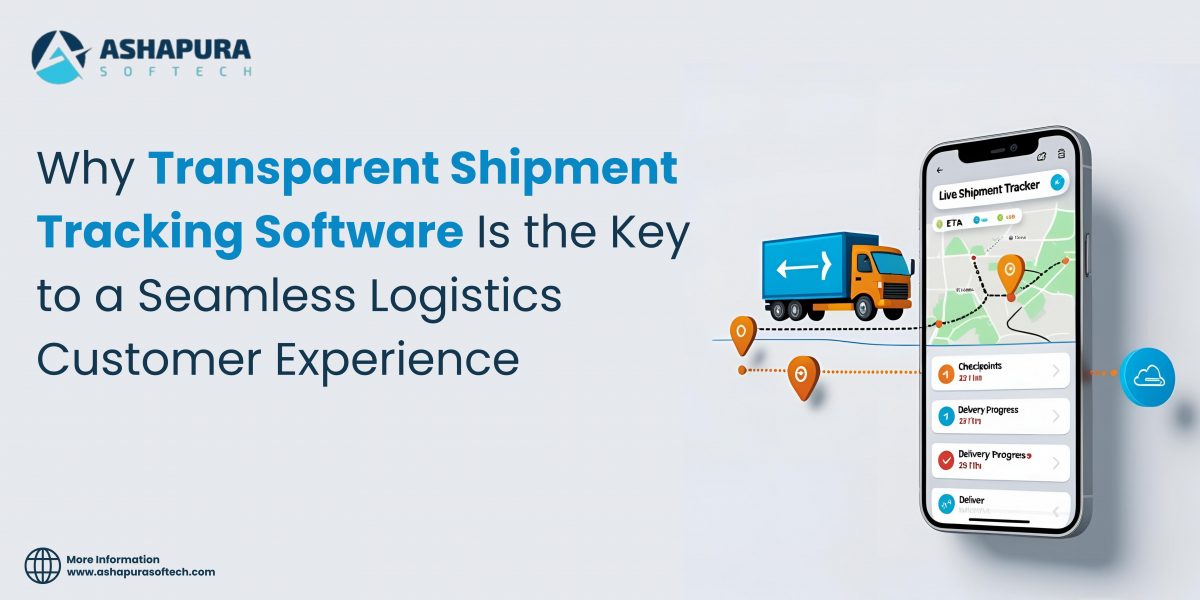
Why Transparent Shipment Tracking Software is the Key to Seamless Logistics Customer Experience

Introductions

In today’s fast-paced logistics and e-commerce world, shipment tracking software is no longer optional — it’s essential. Customers expect full visibility into their deliveries, with real-time shipment tracking, timely notifications, and seamless communication across platforms. Transparency isn’t just about knowing where a package is; it’s about building trust and delivering a stress-free experience.

A robust shipment tracking platform helps businesses reduce customer support inquiries, increase delivery success rates, and boost brand loyalty. Whether you’re a small e-commerce seller or a large logistics provider, offering real-time delivery tracking software can set your service apart.

This article explores the growing importance of transparent shipment tracking, its impact on customer satisfaction, and the key features you should look for in a solution. We’ll also highlight top platforms and share tips on choosing the best e-commerce shipment tracking software for your unique needs, so you can stay ahead in an experience-driven marketplace.

What Is Shipment Tracking Software?

At its simplest, shipment tracking software enables businesses and customers to see the entire delivery journey. This technology captures real-time data — where the package is, what stage of transit it’s in, and even who last handled it — and shares it via an intuitive platform.

There are two main types:

  • Single-carrier tracking: Integrated with one courier (e.g., UPS or DHL).
  • Multi-carrier shipment tracking software: Offers unified updates across many carriers, ideal for e-commerce brands handling global shipments.

A robust shipment tracking platform sits at the heart of this ecosystem, feeding real-time data into branded interfaces, apps, and customer notifications. It becomes the central travel companion for both brands and customers.

Rise of Logistics Tech

In the last decade, logistics has undergone a digital revolution. What was once a manual, paper-based industry has evolved into an ecosystem powered by automation, AI, and smart analytics. At the center of this transformation lies shipment tracking software   a tool that has redefined how businesses manage deliveries. With the rise of global e-commerce, real-time data and tracking accuracy are no longer luxuries; they’re expectations. Shipment tracking platforms now empower businesses to streamline operations, reduce delivery errors, and improve the entire customer journey.

Outdated methods like manual updates or delayed notifications simply don’t cut it anymore. Modern logistics demands real-time shipment tracking that automates every touchpoint   from dispatch to delivery.

Why Transparency Matters in Shipment Tracking

Transparency is not just about showing a tracking number. It’s about providing full end-to-end shipment visibility. With robust e-commerce shipment tracking software, brands can proactively communicate shipment status, estimated delivery times, and any delays.

This builds three essentials:

  • Customer trust
  • Peace of mind
  • Long-term loyalty

Just like GPS guides a driver, transparent tracking guides customers through their post-purchase journey, ensuring they feel informed and in control.

The Modern Customer Expectation

Today’s consumers expect fast, trackable, and seamless deliveries — regardless of the product. Whether it’s a smartphone or a sofa, buyers want:

  • Real-time delivery tracking software
  • Mobile notifications
  • Effortless return handling

These expectations, set by giants like Amazon and Flipkart, have become standard. If your shipment tracking software doesn’t match these benchmarks, your customers will notice — and likely churn.

To stay competitive, your logistics strategy must be powered by a transparent, scalable, and customer-focused shipment tracking platform.

Understanding Shipment Tracking Software

In today’s logistics-driven world, shipment tracking software is more than just a utility — it’s the backbone of modern supply chains. Whether you’re running an e-commerce store or managing a large-scale logistics network, this technology provides real-time visibility, minimizes delays, and enhances customer satisfaction.

What is Shipment Tracking Software?

Shipment tracking software is a digital solution that allows businesses and customers to track packages from the moment they are dispatched until they reach the final destination. It utilizes technologies such as GPS, barcode scanning, and API integrations with shipping carriers to provide real-time shipment tracking and status updates.

This software is often cloud-based, giving logistics teams and customers access to live dashboards, automated alerts, and delivery insights — making it a must-have for any ecommerce shipment tracking software stack.

Types: Single-Carrier vs Multi-Carrier

  • Single-Carrier Shipment Tracking Tools
    These are built for businesses that rely on one logistics provider (like DHL, UPS, or FedEx). They offer basic tracking features and real-time delivery updates directly from that carrier’s system.
  • Multi-Carrier Shipment Tracking Platforms
    Ideal for e-commerce brands that work with several fulfillment partners. These shipment tracking platforms unify data from multiple carriers into a centralized interface, improving logistics flexibility and reducing operational overhead.

The Evolution of Tracking Systems

The journey of tracking has come a long way — from handwritten ledgers to fully automated delivery tracking software. Today’s tools offer:

  • QR/barcode scanning
  • GPS-based real-time location updates
  • AI-powered delivery ETAs
  • Customer-facing tracking dashboards

These advancements empower businesses to deliver not just packages, but trust and efficiency.

Key Features of Transparent Shipment Tracking Software

To deliver a flawless logistics experience, businesses need more than basic tracking. The right shipment tracking software must offer transparency, accuracy, and proactive communication. Below are the essential features that define a reliable shipment tracking platform in today’s competitive landscape.

1. Real-Time GPS Location

Modern customers expect to know exactly where their package is. With real-time shipment tracking, live GPS updates remove uncertainty. Whether it’s around the corner or across the globe, customers can watch their delivery in motion, like a moving dot heading straight to their doorstep. This is the foundation of great delivery tracking software.

2. Multi-Carrier Support

A strong shipment tracking platform should support multiple logistics carriers — FedEx, DHL, UPS, Delhivery, USPS — under one unified dashboard. This is especially critical for e-commerce businesses handling global deliveries using various shipping partners.

3. Automated Updates and Alerts

Customers love updates. A good e-commerce shipment tracking software automatically sends alerts at key stages: pick-up, in transit, out for delivery, and delivered. If delays occur, customers are notified without needing to ask, building trust and loyalty.

4. Branded Tracking Experience

Your tracking page should reflect your brand. Fonts, colors, logos, and messaging should feel consistent. This builds recognition and creates a seamless brand journey, even after checkout.

5. Proof of Delivery (POD)

To resolve disputes or confirm successful deliveries, shipment tracking software should offer POD options — photos, digital signatures, or barcode scans. These eliminate ambiguity and strengthen accountability.

6. Centralized Dashboard and Analytics

Brands benefit from detailed insights — carrier performance, delayed routes, average delivery time, and customer satisfaction. A centralized analytics dashboard helps logistics teams make data-driven decisions and optimize the customer journey.

7. API Integration Flexibility

A powerful delivery tracking software must integrate easily with CRMs, ERPs, Shopify, WooCommerce, Magento, and other platforms. Real-time syncing improves internal workflows and enhances the customer experience.

8. Multi-Channel Engagement

Customers interact via email, SMS, WhatsApp, or mobile apps. The best shipment tracking platforms provide real-time updates across all these channels — offering reroute options or delivery instructions directly through messaging.

9. Custom Alerts and Smart Workflows

Industries like cold-chain, pharmaceuticals, or luxury goods require strict monitoring. Custom alerts can be configured for temperature breaches, delays, or missed scans — helping teams act fast and stay compliant.

How Transparent Shipment Tracking Enhances Customer Experience

Modern customers expect more than just a delivery — they expect visibility, communication, and reassurance. With the right shipment tracking software, you’re not just showing where a package is; you’re building an end-to-end journey that reassures and delights.

Let’s consider a typical customer journey:

  • Order Confirmation: The customer receives, “Your order is being prepared.”
  • Pickup Notification: A personalized alert pops up, “Your package has been picked up by FedEx.”
  • In-Transit Visibility: Using real-time shipment tracking, customers view the exact location of their parcel on a mini-map.
  • Out for Delivery: The ETA updates hourly, reducing delivery anxiety.
  • Delivery Proof: A photo or e-signature confirms completion, and a thank-you message encourages feedback.

Each touchpoint in this transparent process helps build trust. The buyer feels cared for, informed, and in control — exactly the experience today’s ecommerce shoppers demand.

Business Advantages of Shipment Tracking Software

Beyond customer satisfaction, delivery tracking software unlocks substantial operational benefits for logistics providers and online sellers.

Fewer Support Tickets

Transparent tracking reduces the most common customer inquiry: “Where is my order?” Studies show a 50–60% drop in support requests when real-time updates are in place.

Faster Issue Resolution

With time-stamped logs and shipment history, support teams can quickly pinpoint where a delay or error occurred. This speeds up resolution and minimizes refund requests.

Better Carrier Performance Tracking

A multi-carrier shipment tracking platform tracks courier reliability, helping you identify patterns — late deliveries, missed scans, or SLA breaches. Use this data to renegotiate contracts or switch providers.

Boosted Operational Efficiency

A centralized dashboard helps logistics managers detect bottlenecks, streamline workflows, and allocate resources better, especially during high-demand periods like sales or holidays.

Increased Repeat Purchases

Customers who feel informed and empowered during the delivery process are twice as likely to reorder. In subscription-based businesses or e-commerce, shipment tracking software can directly impact long-term revenue.

Stronger Brand Reputation

In the age of online reviews, one bad delivery can harm your brand. Transparent tracking ensures you stay ahead of problems and turns satisfied customers into vocal advocates.

Real-World Case Studies: Companies Excelling in Shipment Tracking

Let’s explore how leading brands are using shipment tracking software to drive loyalty and efficiency.

FedEx

FedEx leads the way with real-time shipment tracking and interactive maps. Customers receive automatic alerts, weather delay updates, and customs status — all of which boost confidence and minimize confusion.

DHL Express

DHL’s MyDHL API integrates deeply with online stores, marketplaces, and mobile apps. Its flexible, white-labeled solution provides branded tracking pages and seamless checkout integration — making ecommerce shipment tracking software part of the purchase flow.

Delhivery (India)

Delhivery’s tech-first approach includes mobile-based geolocation, proof-of-delivery via photos, and instant rescheduling options. This transparency helped revolutionize India’s fragmented delivery sector and gain consumer trust in Tier 2 and Tier 3 cities.

Shopify Shipping

Shopify’s built-in delivery tracking software supports multiple carriers and provides real-time updates, SMS/email notifications, and branded tracking pages. Even small merchants can offer a professional post-purchase experience without extra tools.

Challenges of Implementing Transparent Shipment Tracking

While the benefits of transparency in logistics are undeniable, implementing it with precision and scale brings real-world obstacles. Let’s break down the most common challenges businesses face when adopting transparent shipment tracking software.

Data Standardization

One of the biggest hurdles is aligning multiple data formats. Each courier — FedEx, USPS, Delhivery, etc. — uses its own tracking event codes and statuses. Without normalization, businesses receive fragmented, often confusing data.

A professional shipment tracking platform unifies these codes into simplified, customer-friendly statuses like “In Transit,” “Out for Delivery,” and “Delivered.” This standardization is the foundation of clear communication and system-wide visibility.

Integration Complexity

Companies often operate legacy systems or custom ERPs that were never designed to plug into modern logistics APIs. Integrating delivery tracking software into such systems can require middleware, SDKs, or custom-built API bridges.

To reduce integration overhead, choose platforms with prebuilt connectors for popular tools like Shopify, Magento, Zoho, and Salesforce. Flexible APIs also help synchronize tracking data with CRMs and customer service portals.

Infrastructure and Cost Overheads

Real-time shipment tracking demands high-frequency data transfers, which can drive up costs for cloud storage, servers, and APIs, especially when handling thousands of orders daily.

Smart ecommerce shipment tracking software uses data caching, event-based triggers, and batch syncing to reduce data traffic and infrastructure load — while still maintaining accurate updates.

Customer Support Alignment

Even the best tracking data is useless if your support team can’t interpret or act on it. Often, teams need retraining to use the new shipment visibility tools effectively.

Ensure your shipment tracking software includes user-friendly dashboards, guided ticket creation, and integrated communication tools — so teams can answer customer queries with confidence and clarity.

Privacy, Security, and Compliance

With increased transparency comes increased responsibility. If you operate in regions covered by GDPR, CCPA, or HIPAA, your shipment tracking platform must support encrypted data transmission, retention controls, and user consent mechanisms.

Trustworthy platforms also provide audit trails and access logs — essential for regulated sectors like healthcare, fintech, and pharma.

The Future of Shipment Tracking Software

As customer expectations continue to rise, so too must the capabilities of your delivery tracking software. Here’s what’s on the horizon:

AI-Powered Predictive ETAs

Modern shipment tracking software is moving beyond passive updates. AI algorithms are now analyzing historic traffic data, weather trends, carrier behavior, and customer location to proactively predict delays.

This predictive intelligence allows businesses to send early warnings and alternate delivery options, reducing frustration and building brand loyalty.

Blockchain-Based Logistics Records

Blockchain enables immutable, transparent shipment logs that cannot be altered. This ensures authenticity and traceability — especially useful in industries like luxury goods, pharmaceuticals, and compliance-heavy logistics.

By logging each movement and signature, e-commerce shipment tracking software backed by blockchain can minimize fraud and speed up dispute resolution.

Integration with Smart Lockers & Drones

The future isn’t just faster — it’s smarter. Customers will soon receive updates not just on delivery times but on smart locker availability or drone landing schedules.

Advanced shipment tracking platforms will notify users to scan a QR code at a locker station or even confirm drop-off through drone-view streaming.

Enhanced Interactive Dashboards

Next-gen real-time shipment tracking systems will allow users to:

  • Chat directly with the delivery agent
  • Reschedule or reroute from the map interface
  • Visualize delivery routes in augmented reality
  • Access branded portals with customer-specific recommendations post-delivery

How to Choose the Right Shipment Tracking Platform

Selecting the ideal shipment tracking software depends on your business model, technical stack, and customer experience goals. Here’s what to evaluate:

1. Delivery Volume Scope

Whether you’re a single-location store or an enterprise-level operation, the shipment tracking platform must scale with your order volume and handle peak load seamlessly.

2. Supported Carriers

A robust delivery tracking software should support multiple global and regional carriers — FedEx, UPS, Delhivery, USPS — consolidating them under one dashboard for universal visibility.

3. Integration Options

Look for tools that integrate easily with Shopify, Magento, custom-built platforms, or ERPs. Top e-commerce shipment tracking software offers plug-and-play APIs and SDKs.

4. Branded Experience

Customizable tracking pages aligned with your brand’s look, feel, and tone enhance loyalty and reduce third-party redirection.

5. Notifications & Engagement

Choose platforms that support real-time shipment tracking with multi-channel alerts via SMS, email, WhatsApp, or push notifications.

6. Data & Analytics

Your shipment tracking software should include dashboards to analyze delivery success rates, delay trends, and carrier performance.

7. Pricing & Scalability

Ensure transparent pricing — whether it’s per tracking, monthly, or enterprise-based. Confirm the platform can scale with minimal downtime.

8. Support & Maintenance

24/7 technical support, robust documentation, and proactive SLAs are essential for uninterrupted operations.

Top Shipment Tracking Software Solutions

Choosing the right shipment tracking software can transform your logistics and elevate customer experience. Below are some of the best platforms designed to support real-time updates, multi-carrier logistics, and e-commerce visibility:

  • AfterShip: A powerful e-commerce shipment tracking software that supports 1,000+ carriers worldwide. It offers branded tracking pages, SMS/email updates, and analytics — ideal for Shopify and WooCommerce sellers.
  • ShipStation: Known for automating shipping and tracking workflows, ShipStation integrates with all major e-commerce platforms. It simplifies multi-label printing, order syncing, and delivery tracking.
  • Narvar: A customer experience-first shipment tracking platform, Narvar helps brands retain loyalty post-purchase with delivery alerts, return portals, and personalized messages.
  • EasyPost: Offers a flexible API that enables brands to build a customized delivery tracking software layer into existing logistics systems. Perfect for high-volume and enterprise users.
  • Route: Ideal for small-to-mid brands, Route combines package protection with visual order tracking to reduce WISMO (“Where is my order?”) tickets and build customer trust.
  • Custom Solutions: Enterprise businesses may benefit from tailor-made platforms offering integrations with internal systems, enhanced control, and unique industry requirements.

Implementation Best Practices

  • Pilot Small: Begin your tracking software rollout with one region or product line.
  • CRM Integration: Sync with CRM, marketing, and ecommerce platforms to create a unified customer view.
  • Personalized Notifications: Brand every message — from font to tone — with order details and tracking info.
  • Monitor Key Metrics: Track CSAT, repeat purchases, and support ticket volume.
  • Scale Smart: Expand by analyzing performance and applying insights to new carrier partners or markets.

Conclusion

In a world where speed and transparency are expectations — not luxuries — shipment tracking software is no longer a nice-to-have. Today’s customers expect real-time updates, proactive communication, and total visibility over their orders. Brands that deliver this experience not only reduce support costs and delivery mishaps but also build lasting trust and loyalty. Whether you’re in logistics, e-commerce, or B2B fulfillment, a robust shipment tracking platform serves as your brand’s digital handshake. It’s the critical bridge between operations and customer satisfaction. By choosing the right delivery tracking software — equipped with real-time shipment tracking, seamless integrations, branded messaging, and performance analytics — you create a powerful, scalable logistics engine that drives growth. Want to implement transparent shipment tracking for your business? Contact us at [email protected] for expert consultation and customized software solutions.

Categories
Software Development

The Future of Custom Software Development: Trends to Watch in 2025

Introduction

The custom software development landscape is evolving rapidly, driven by emerging technologies and changing business demands. From automation to low-code platforms, 2025 will witness groundbreaking advancements that redefine how businesses build and deploy software solutions. Staying ahead of these trends ensures that companies remain competitive and agile.


What Will Custom Software Development Trends Look Like in 2025?

As we move deeper into the digital age, technology is more ingrained in our lives than ever before. Businesses must embrace new technologies to remain competitive and adaptable. Understanding the latest trends in custom software development can help businesses make informed decisions and stay ahead of the curve.

So, what are the biggest trends in custom software development for 2025? We anticipate greater automation, an increased focus on privacy, a multichannel customer experience, and rapid adoption of disruptive technologies.

1. Progressive Web Apps (PWA)

Progressive Web Apps (PWAs) are revolutionizing web development by combining the best features of mobile apps and websites. Businesses that leverage PWAs benefit from:

  • Fast load times even on weak networks.
  • Rich features like push notifications, offline support, and camera integration.
  • Easy installation on users’ devices without needing an app store.
  • Enhanced security with HTTPS encryption.
  • Cost-effective development compared to native mobile apps.

With the demand for seamless digital experiences, PWAs will continue to dominate global markets.

2. Web 3.0

The next evolution of the internet, Web 3.0, is decentralized, secure, and user-focused. Key features include:

  • Enhanced security and encryption to prevent data breaches.
  • Decentralization no single authority controls the internet, giving users greater ownership of data.
  • Improved efficiency and scalability, ensuring faster transactions and smoother user experiences.

Web 3.0 is set to reshape online business operations, making it smarter, more secure, and highly interconnected.

3. The Internet of Behavior (IoB)

The Internet of Behavior (IoB) is the next big leap in custom software development. By combining AI, data analytics, and IoT, businesses can gain deep insights into user behavior.

Benefits include:

  • Predicting customer actions for hyper-personalized experiences
  • Automate responses based on user behavior.
  • Enhancing security through behavioral analytics.

As IoB continues to evolve, businesses can leverage behavioral data to enhance customer interactions and decision-making.

4. Microservices Architecture

Instead of monolithic applications, businesses are moving to microservices architecture—a system where software is divided into smaller, independently deployable services.

Key Benefits:

  • Improved scalability – Scale services independently without affecting the whole system.
  • Faster deployments – Update individual components with minimal downtime.
  • Better fault tolerance – If one service fails, the entire system doesn’t go down.

Microservices architecture is becoming the preferred development model for businesses seeking agility, scalability, and resilience.

5. DevSecOps

As cyber threats grow, DevSecOps (Development, Security, and Operations) is gaining traction. This approach integrates security at every stage of the development lifecycle.

Why DevSecOps is Crucial:

  • Proactive threat detection and resolution.
  • Continuous security monitoring.
  • Faster software deployment with automated security testing.

By 2025, DevSecOps will be a standard practice for businesses prioritizing secure and efficient development.

6. Blockchain Technology

Blockchain isn’t just for cryptocurrencies—it’s transforming custom software development with unmatched security and transparency.

Key Blockchain Benefits:

  • Data Security  Prevents unauthorized access and tampering.
  • Fraud Reduction Provides a tamper-proof transaction record.
  • Automation Streamlines business processes with smart contracts.

Industries like finance, healthcare, and logistics are rapidly adopting blockchain solutions to secure their operations.

7. Low-Code Development

Low-code platforms are democratizing software development by enabling faster, cost-effective application creation.

Quick Facts:

Businesses adopting low-code platforms will gain a competitive advantage by reducing development time and costs.

8. Cloud Computing

Cloud computing is becoming the backbone of modern software development, with 69% of businesses migrating to cloud-based infrastructure.

Why Businesses Choose Cloud Computing:

  • Lower operational costs  Reduces hardware and maintenance expenses.
  • Scalability Expand IT resources on demand.
  • Advanced analytics Provides data-driven insights for better decision-making.

As businesses continue shifting to the cloud, those who leverage cloud-first strategies will remain agile and competitive.

9. Infrastructure as Code (IaC)

Infrastructure as Code (IaC) is transforming how organizations manage and provision their computing infrastructure. Instead of relying on manual configurations or scripts, IaC automates the process using code, ensuring efficiency, reliability, and scalability.

The growing adoption of DevOps has fueled the rise of IaC, allowing organizations to manage infrastructure just like software—versioning, tracking, and managing changes seamlessly. This reduces human errors, streamlines operations, and enables quick rollbacks in case of issues.

Moreover, IaC supports DevOps practices like Continuous Integration (CI) and Continuous Deployment (CD), accelerating software development. By automating infrastructure provisioning, developers can focus on writing code instead of configuring servers or setting up environments, ultimately speeding up feature releases and updates.

10. Big Data

In today’s data-driven world, businesses rely heavily on analytics to optimize operations and drive growth. The big data industry is expanding rapidly as companies automate processes and harness real-time insights.

According to industry research, the global Big Data & Analytics market was valued at $82.99 billion in 2021, projected to reach $146.71 billion by 2027 at a CAGR of 9.96%. This growth highlights the increasing role of data in decision-making, efficiency, and innovation.

Key big data trends shaping 2025 include:

  • AI & ML-powered analytics: Advanced AI-driven models capable of processing small and large datasets.
  • Hybrid cloud adoption: Businesses leveraging hybrid cloud for cost-effective and secure data management.
  • DataOps integration: Streamlining the entire data lifecycle, from collection to archiving.
  • Edge computing: Enhancing real-time data processing with reduced bandwidth usage.

To stay competitive, businesses must embrace these trends and invest in scalable, data-driven solutions.

11. AI and Machine Learning

Artificial Intelligence (AI) and Machine Learning (ML) are at the heart of innovation in custom software development. As businesses increasingly rely on data for decision-making, AI-powered applications are transforming industries with enhanced automation and personalization.

By integrating AI and ML, companies can develop intelligent applications that:

  • Learn from user interactions to enhance experiences.
  • Automate repetitive tasks to improve efficiency.
  • Provide predictive insights for better decision-making.

AI-driven software solutions lead to reduced costs, faster innovation, and a more seamless user experience, making them essential for businesses looking to stay ahead.

12. Cybersecurity Enhancements

With businesses increasingly moving towards digital solutions, cybersecurity has become more critical than ever. Security breaches, data leaks, and cyber threats can cause massive financial and reputational damage.

Custom software development must prioritize security to ensure:

  • Robust data protection to prevent breaches.
  • Compliance with industry standards to avoid legal risks.
  • Trust and reliability for end-users and stakeholders.

Companies investing in cybersecurity gain a competitive edge as customers and businesses prefer solutions that prioritize data protection.

Why Is It Important to Stay Updated on Software Development Trends?

The software industry is constantly evolving, and what is cutting-edge today may become obsolete tomorrow. Falling behind on industry trends can hinder a company’s ability to innovate and remain competitive.

By staying updated with emerging software development trends, businesses can:

  • Leverage the latest tools, frameworks, and methodologies.
  • Improve efficiency and streamline operations.
  • Stay ahead of competitors and meet changing customer demands.

Adapting to these advancements will future-proof businesses and ensure they continue to thrive in the digital era.

How Software Development Trends Will Drive Business Growth in 2025

The latest enterprise software development trends aim to automate tasks, enhance productivity, and optimize processes. By leveraging new technologies strategically, businesses can:

  • Improve efficiency through automation and AI-driven solutions.
  • Enhance customer experiences with personalized and data-driven applications.
  • Reduce costs and maximize ROI by integrating scalable and secure technologies.

However, success is not just about adopting new trends—it requires a well-planned strategy to implement them effectively. Businesses that embrace innovation with a clear roadmap and the right technology partners will gain a competitive advantage and drive sustainable growth in 2025 and beyond.

Conclusion: Future-Proof Your Business with Custom Software Development

The future of custom software development is filled with exciting possibilities. From AI-powered coding and blockchain security to cloud-native development and sustainable computing, the industry is evolving at breakneck speed. Businesses partnering with a forward-thinking custom software development company can leverage these trends to gain a competitive edge.

Stay Ahead with Ashapura Softech!

At Ashapura Softech, we help businesses stay ahead of the curve with cutting-edge software solutions. Whether you need custom software, Salesforce, ERP, or cloud solutions, our experts are here to deliver excellence. Let’s build the future together. Contact us today at [email protected] for expert guidance on your next software project.


Categories
Software Development

Sustainable Software Development: Greening Your Tech Solutions

In the software industry, innovation and progress are happening at an epic pace today. However, with every innovation comes consumption: energy, resources, and, bluntly, time. Sustainable software development is not a buzzword but rather a transformative approach that brings the creation of software into harmony with environmental stewardship. Let’s dive in and learn how you can make your tech solutions greener, smarter, and future-ready.

What is Sustainable Software Development?

At its core, sustainable software development refers to designing, building, and maintaining software in a way that minimizes environmental impact by optimizing energy consumption, reducing waste, and promoting long-term usability. The kicker is sustainable software isn’t just ecologically friendly; it’s about efficiency and cost savings by doing more with less to reduce carbon footprint.

Why should sustainability in software matter?

This cost to the environment is tremendous. Data centers alone consume nearly 1% of the world’s electricity, and this is just increasing. Let’s not even talk about e-waste or the outrageous energy costs of bad, unoptimized code.

Consider running an application that is a resource hog. Not only is it costlier to host and maintain, but it also wastes energy unnecessarily. Now imagine scaling that up to millions of users. The impact is immense. Sustainable software development isn’t just a feel-good thing; it’s being responsible and future-proofing your business.

Key Principles of Sustainable Software Development

Optimize Code Efficiency

Efficient code isn’t just faster—it uses less energy. Every redundant computation consumes more energy. Developers should:

  • Use algorithms that have lower time and space complexity.
  • Reduce redundant code execution.
  • Implement caching and optimized database queries.

Utilize Cloud Computing Wisely

Cloud providers like AWS and Azure offer tools to minimize your application’s carbon footprint. They usually run on renewable energy and scale solutions to ensure you use resources only when needed.

Prioritize Long-Term Maintainability

Write cleaner, easier-to-understand, and maintainable code. This reduces a lot of rewriting or update work, saving time and resources.

Use Green Hosting Solutions

Determine hosting providers that take sustainability seriously. Look at certifications such as ISO 14001 or providers powered on renewable energy.

Practical Strategies for Greening Your Tech Solutions

Embrace Agile and DevOps Practices

Faster delivery cycles, fewer wasteful efforts, continuous integration and continuous deployment-the mantra of Agile and DevOps do eliminate some unnecessary rework and waste in terms of energy consumed.

Opt for Energy-Efficient Programming Languages

Not all programming languages are equal. Programming languages like C and Rust use less energy compared to languages like JavaScript or Python. Check your tech stack from this energy-efficient standpoint while keeping the functionality intact.

Reduce Data Storage

Big data often means big waste. There is an efficient compression algorithm and archiving of infrequently accessed data that will cut down on the storage needed and associated energy use.

Monitor and Measure Energy Usage

There are tools available such as Green Software Foundation’s Carbon Aware SDK and AWS’s sustainability reports, which monitor your application’s energy usage. Awareness is the first step towards improvement.

Case Study: Real-Life Transformation

It costs them thousands of dollars in mushrooming server costs and poor performance, with which Ashapura Softech helped out at one leading e-commerce firm. So, we had to rewrite inefficient code and provide them scalable cloud solutions so they move to a greener hosting provider. And so, were able to cut their carbon footprint 30%, as well as costs, 25%. Sustainability: A Practical, Profitable Option -and not just an Ideal.

Common Misconceptions About Sustainable Software Development

  • It’s Too Costly: Initially, it looks like an investment, but the savings of energy, maintenance, and operational cost far outweigh it over time.
  • It’s Just About the Environment: Just about cutting carbon footprint. Sustainability also improves software quality, efficiency, and user satisfaction.
  • It’s Only for Large Enterprises: Any small startup can be green. Even simple steps like code optimization and green hosting make a big difference.

FAQs

Q1.How does sustainable software development add value?

Sustainable reduction of energy use, with cost savings, improved performance, and added value towards environmental conservation for businesses is clearly a win-win for any planet.

Q2.How does my business start?

To start small is to simply optimise your code, switching to a green hosting company or educating your team on such practices. Then, go ahead and look for reliable partners like Ashapura Softech who can lead your race.

Q3.Can Sustainable Practices Impact User Experience?

Absolutely! Efficient software runs faster, crashes less, and delivers a smoother user experience. Users appreciate reliability and speed—both of which sustainability champions.

Conclusion

Sustainable software development isn’t just an ethical choice; it’s a business imperative. By integrating green practices into your development process, you’re not just saving the planet; you’re saving money, boosting performance, and future-proofing your business. Let’s innovate responsibly. For expert guidance in building sustainable, high-performance software, contact us today at Ashapura Softech [email protected]. Let’s shape the future of tech together.

Categories
Custom Software

Why Prototyping is Vital for Software Development Success

Introduction 

Modern software projects are not considered to be complete without prototype development included. A startup, big enterprise, or small, prototyping may have a great influence on the entire lifecycle of software development, especially when it comes to visualization, enhancement, and validation before actual full-scale development. This article explores how prototype development should be essential, its benefits, and different prototyping techniques, which ultimately result in a more successful software project. Now let’s get started with the user-friendly approach and understand the importance of prototyping, while reminding ourselves all the keywords like software development, software development agency, software development services, software developers, software development firms, and companies for software solutions.

Understanding Prototype Development in Software Projects

In other words, prototype development generally refers to the process of designing an early version of an application in the field of software, generally comprising many uninhibited and simplified functionalities. Prototypes focus on displaying many of the significant features and aspects of the final product to various stakeholders, developers, and users who can be sources of feedback. A prototype is said to be a development test version, that is, a product used to try some ideas, test assumptions, and find lessons applicable to the process of development.

This stage of development prevents costly mistakes in software development agencies and companies by embracing user-centered design, even altering their approaches without having an adverse effect on the project timeline. Prototypes bridge the initial ideas to the full working software solution through validating central ideas and ensuring that the product complied with what the user expects to get out of the system.

Benefits of Prototyping in Software Development

Its prototype and prototyping development benefits are many and it makes it an important inclusion of any successful software project. Here is why every software development company and developer should consider it:

Better Understanding of User Needs: Proto-types are permits to users to interact with a version of the software by developing teams finding valuable insights about their expectations and needs. It enables a development team to create a user-friendly product required for the end-user.

Early Feedback and Error Identification: Prototyping provides earlier inputs from stakeholders, providing an eye on potential problems that may arise, allowing correction before final development occurs. Developers of s/w can correct critical commentary much earlier than setbacks can prove disastrous when the support occurs at later stages.

Time and Cost Efficiency: Prototyping saves time and money because problems get caught earlier. Making the changes in a prototype stage is so much less expensive and time-consuming than if the problems are treated after a launch. This ensures that the resource management of the software development agencies is effective and project flow smoother.

Improved Communication with Stakeholders: Prototyping saves time and money because problems get caught earlier. Making the changes in a prototype stage is so much less expensive and time-consuming than if the problems are treated after a launch. This ensures that the resource management of the software development agencies is effective and project flow smoother.

Better Communicating with Stakeholders: Prototypes ensure there is better communication among developers, designers, and the stakeholders to have the same page for the project objectives. That will ensure collaboration, and everyone knows what is expected of the project.

Increased Design Flexibility: Prototypes enable the testing of the design and functionalities so that adaptation can occur even when development takes place. Should something be changed, it is not a necessity to work completely as a halt because the change can be included in the prototype.

Prototypes in Software Development

Prototypes come in several forms based on a specific requirement of a project. Here are some of the common types:

Low-Fidelity Prototypes: Low fidelity is quite a crude representation, either on paper or a digital sketch just to get an idea across, but really with a little notion of trying to demonstrate any heavy functionality. Prototypes of low fidelity can be used in the brainstorming and conceptualization of ideas at an initial stage.

High-Fidelity Prototypes: These are more engaging and almost so close to the final product in design and functionality. Prototypes, high fidelity, are ideal for the thorough testing and user feedback that precedes development work.

Clickable Wireframes: The clickable wireframe is an interactive digital prototype where navigation from one screen to another is possible. Useful in understanding user flow. May be created quickly for testing navigation and layout.

Functional Prototypes: They contain an actual working version of most important features, which makes the user interaction more real. Prototypes in later stages of development are quite well suitable for usability testing.

Rapid Prototyping: Rapid prototyping is the construction of a rapid and an iterative version of a product, which continues to refine itself as per the feedback obtained from users. It has proven to be very effective for software development firms that adopt agile methodologies.

Steps in the Prototyping Development Process

Prototyping involves a well-defined process whereby software developers create, test, and iterate till they achieve the desired result. In general, the process takes a path as below:

Define Goals and Needs: What does your prototype primarily strive to attain? Problems that you are needed to solve? What core features it is going to boast? Collect requirements from stakeholders and make a list of functionalities to feature in your prototype.

Draw a Sketch of a Basic Design: Deliver preliminary sketches or wireframes of what the layout and UI would be. Zoom in on key features that define the user experience using low-fi methods to make understanding ideas easier.

Prototyping: Using prototyping tools create a first version. Low fidelity can be very useful when designing with Sketch or Figma, whereas InVision and Adobe XD is amazing for high fidelity, clickable prototypes.

Testing for Feedback: However, in this critical development phase, the stakeholders, end-users, and developers must comment on the prototype. This is where insights are caught, inconsistencies spotted, and areas for improvements are characterized.

Refine and Iterate: Refine the prototype based on received feedback. This cycle of testing, providing feedback, and iteration should be repeated until the prototype implements all of the requirements for the project. This cycle of iteration will ensure that the final product matches what the user expects.

Best Tools for Prototyping in Software Development

Prototype is developed using various tools that have come to be de facto standards in software projects. Some of the popular ones are:

  • Sketch : Low fidelity wireframing, sketching for getting very rough ideas out
  • Figma: Collaborative design, developing high-fidelity prototypes.
  • InVision: Clickable wireframes and interactive mock ups.
  • Adobe XD: A comprehensive tool for making high-fidelity prototypes and multi-feature components.
  • Axure RP: Good tool for prototyping complex stuff, functional testing.

Real-World Examples of Prototyping Success

Prototyping has been utilized in several successful software projects towards the demonstration of ideas, saving money, and delivering user-centered products. A few examples include the following:

  • Airbnb used rapid prototyping early on to test user interfaces. All modifications required were made for delivery of a highly engaging user experience
  • Slack used prototype development for making a communication tool appealing to its targeted users. Prototype was very important in achieving outstanding usability and efficiency.
  • Dropbox with an easy video prototype ensured that it could move on to validate its core idea and managed to bring huge interest and early adoption.

Conclusion

In today’s fast-paced digital world, prototype development is indispensable for software projects. It enables software development firms and agencies to create products that truly meet user expectations while minimizing risks and costs. Through early testing, feedback gathering, and iterative refinement, prototyping ensures that the final product is robust, user-friendly, and ready to thrive in the market. If you’re looking to bring your software project to life with precision and innovation, Ashapura Softech’s expert team is here to help. Our comprehensive software development services include tailored prototyping solutions designed to fit your unique needs. Contact us at [email protected] to start building your vision today.