Debt Settlement & Financial Counseling United States Custom Platform Build

Purpose-Built Client Management Platform for a U.S. Debt Settlement Agency

A U.S.-based debt settlement agency was managing thousands of active client cases across disconnected spreadsheets, email threads, and manual processes. Ashapura Softech designed and delivered a fully custom platform — covering automated intake, structured creditor negotiation pipelines, AI-assisted settlement letter generation, proactive payment plan management, and real-time owner intelligence.

Engagement at a Glance

5,000+
Active client cases managed on the platform
62%
Average debt reduction achieved for enrolled clients
3×
Faster settlement cycle vs. industry average
0
Missed payment plan defaults since auto-detection launch
5,000+
Active Client Cases
62%
Avg. Debt Reduction
3×
Faster Settlement Cycle
Zero
Missed Payment Defaults
The Context

A Fast-Growing Agency Running on Manual Processes

The client is a U.S.-based debt settlement agency operating in a heavily regulated, high-stakes environment where every client represents a family under serious financial stress. Over five years of strong word-of-mouth growth, the agency had scaled its client roster to several thousand active cases — but its operational infrastructure had not kept pace.

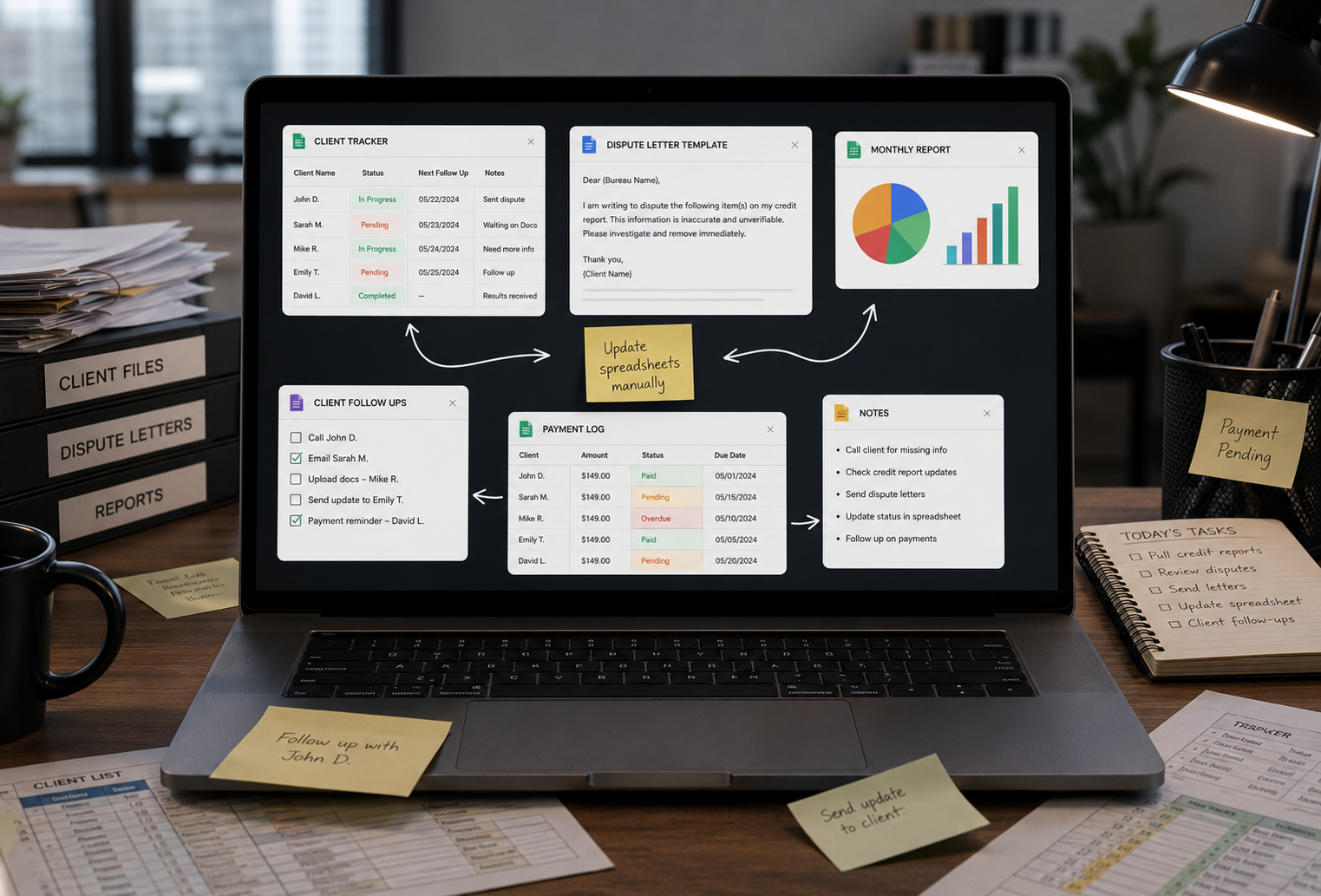
Creditor negotiations were being tracked in emails and personal spreadsheets. Payment plans were managed through calendar reminders and manual invoice checks. When clients called asking for updates — and they called constantly — staff had to piece together answers from multiple places, consuming hours of billable time daily.

Leadership recognized that the next phase of growth required an operational foundation that could scale cleanly: one platform purpose-built for how debt settlement actually works, not adapted from a generic CRM or cobbled together from SaaS tools that were never designed with regulatory compliance or negotiation audit trails in mind.

Ashapura Softech was engaged to design and build that platform from the ground up — with every workflow, every automation, and every data model tailored specifically to the debt settlement lifecycle.

Debt Settlement FDCPA Compliance Financial Services U.S. Market Custom Platform AI-Assisted Workflows
Debt settlement agency context illustration
The Problem

Six Operational Breakdowns That Were Costing the Agency

Growth without infrastructure created compounding operational debt. These were the six failure points Ashapura Softech was brought in to solve.

01

Fragmented Client Data Across Spreadsheets and Email

Client debt accounts, creditor details, and account balances were tracked across individual staff spreadsheets and scattered email folders. There was no single system of record. When a staff member was out, others could not easily pick up their cases without hours of archaeology through inboxes and shared drives.

02

No Audit Trail on Creditor Negotiation History

When a creditor called with a new offer, staff had no reliable record of what had already been communicated — what was offered, what was rejected, and what the creditor's last position was. Prior offer history lived in individual email threads, meaning any staff turnover or absence created immediate operational risk and potential liability.

03

Settlement Offers Managed in Email With Version Confusion

Settlement offer letters were drafted in word processors, sent as email attachments, and revised through reply chains. By the time a creditor responded to a counteroffer, staff were often uncertain which version of the letter the creditor was referencing. Multiple active offer versions for the same account created confusion and, in some cases, contradictory commitments.

04

Client Communication Was Purely Reactive

Clients in the middle of a debt settlement process — already under significant financial and emotional stress — had no self-service visibility into the status of their cases. The only way to get an update was to call the office. This generated a high volume of inbound status calls that consumed staff time and created a perception of poor responsiveness, even when negotiations were actively progressing.

05

Payment Plan Defaults Were Caught Too Late

Payment plans tied to settlement agreements were tracked manually. When a client's payment failed or a card declined, the agency typically did not learn about it until an invoice had gone unpaid for weeks — sometimes triggering a cascade of missed payments that put the settlement agreement at risk. There was no proactive detection or automated recovery workflow.

06

No Executive View of Business Performance

Agency ownership had no real-time visibility into settlement success rates by creditor type, at-risk cases stalling in negotiation, revenue pipeline by enrollment stage, or staff performance metrics. Business reviews required hours of manual report assembly from multiple sources — and even then, the data was stale by the time it was reviewed.

The Solution

A Custom-Developed Platform Built for the Debt Settlement Lifecycle

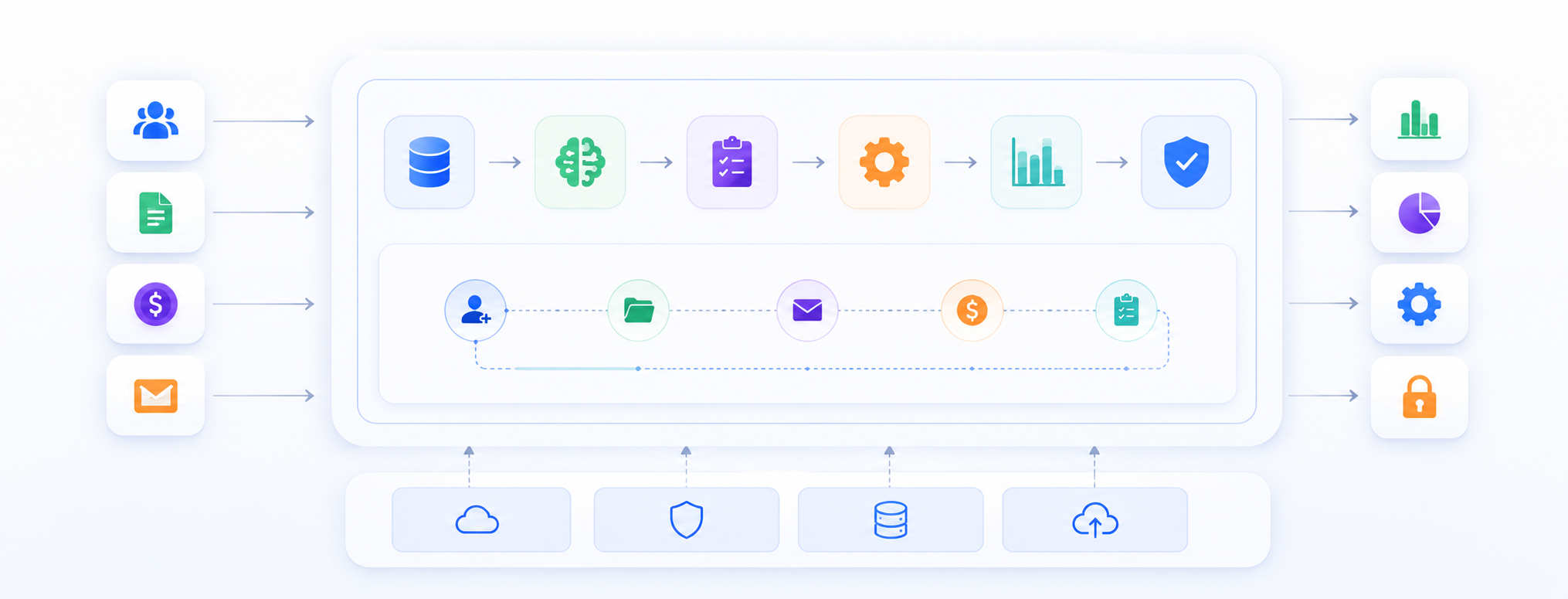
Rather than adapting a generic tool, Ashapura Softech built a tailored technology system from the ground up — with six integrated capability pillars that address each operational failure directly.

Platform overview dashboard

Automated Client Intake & Debt Profiling

On enrollment, the platform automatically generates a complete debt account inventory, assigns a document checklist calibrated to the client's debt type mix — credit card, medical, personal loan, auto — and delivers a secure portal link for document upload. Automated email and SMS follow-up sequences run until all required documents are received, eliminating manual chasing entirely.

Creditor Account Management & Negotiation Pipeline

Each creditor account per client moves through a structured pipeline: Enrolled, Contacted, Offer Received, Negotiating, and Settled. Every offer, counteroffer, phone contact, and creditor communication is logged with a timestamp and staff attribution, creating a complete and defensible audit trail. No negotiation history is ever lost or inaccessible.

AI-Assisted Settlement Letter & Offer Generation

The platform's AI engine analyzes the client's complete debt profile, documented hardship circumstances, and each creditor's historical acceptance rate patterns to generate tailored settlement offer letters. Staff review and adjust the output before sending, and every version is logged with full version control — ending the confusion of untracked email attachments and revised drafts.

Automated Client Progress Portal & Communications

Clients access a branded self-service portal showing exactly which accounts have been settled, how much was saved on each, and the current negotiation status for every creditor in progress. Biweekly automated progress update emails are sent without staff involvement. The result is a dramatic reduction in inbound status calls — clients already know where they stand before they pick up the phone.

Payment Plan Management & Default Prevention

Recurring payment schedules are auto-generated directly from each executed settlement agreement, eliminating manual setup. When a payment fails or a card declines, the system immediately generates a secure payment recovery link and notifies the client in real time. If the issue is unresolved within 48 hours, an escalation alert is sent to the assigned staff member — catching defaults in days, not weeks.

AI Business Owner Dashboard

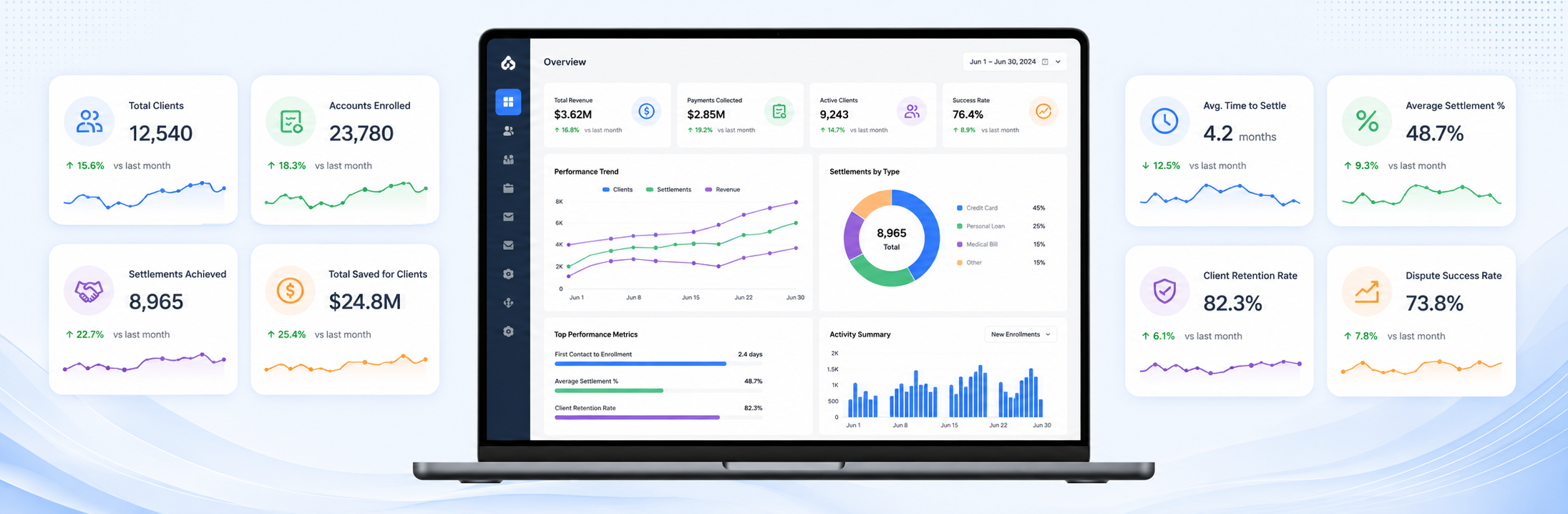
Ownership receives a real-time intelligence dashboard covering client enrollment trends, revenue pipeline by negotiation stage, settlement success rates broken down by creditor and by debt type, at-risk case identification for accounts stalling in negotiation beyond expected timelines, and staff performance metrics — all without manual report preparation.

Process Deep Dive

Inside the Creditor Negotiation Pipeline

The negotiation pipeline is the operational heart of any debt settlement agency. Ashapura Softech engineered it as a structured, auditable six-stage workflow — from the first creditor contact through post-settlement client graduation.

"For the first time, every team member could open any client account and see exactly where each creditor negotiation stood — every offer made, every response received, every next action required. The guesswork was gone."

— Operations Director, U.S.-Based Debt Settlement Agency

Debt Enrollment & Hardship Analysis

When a client enrolls, the platform ingests their full creditor list, outstanding balances, account ages, and debt type classification. A structured hardship questionnaire captures the client's financial circumstances — income, expenses, hardship event history — and stores this in a format the AI letter engine will use to personalize settlement communications. Document collection is triggered automatically, with intake tasks assigned to staff and follow-up sequences running in the background until the file is complete.

Creditor Contact Initiation & Response Tracking

Each creditor account enters the pipeline at the Contacted stage when the first outreach is logged. Phone calls, written communications, and secure portal messages are all captured and timestamped at the individual creditor level. Response timelines are tracked automatically, and accounts that have not received a creditor response within a configurable window surface as follow-up tasks for the assigned staff member — eliminating the risk of negotiations stalling through neglect.

AI Settlement Letter Generation — Profile-Aware, Hardship-Documented

When a creditor is ready for a formal settlement offer, the AI letter engine generates a complete first-draft settlement letter. The engine draws on the client's hardship profile, the specific creditor's documented acceptance tendencies, the age and status of the debt, and the realistic settlement range for that account type. Letters are structured to include the legally appropriate hardship narrative and offer framing for each creditor category. Staff review, adjust if needed, and approve before any letter is sent. Every draft and final version is stored under the creditor account record.

Offer and Counteroffer Negotiation Cycle — Full Version Control

As negotiations proceed, each creditor offer, agency counteroffer, and revision is logged as a discrete event in the negotiation record — with the letter version, the offer amount, the date, and the staff member who managed the exchange. When a creditor references a prior communication, staff can pull the exact document in seconds. Version confusion is structurally impossible because the platform maintains a single, ordered negotiation thread per creditor per client rather than a scattered email trail.

Settlement Agreement Execution & Payment Schedule

When a creditor accepts a settlement offer, the platform generates the settlement agreement, captures the signed confirmation, and immediately auto-builds the recurring payment schedule tied to the agreed terms. Payment amounts, due dates, and the linked payment method are configured automatically from the settlement record. Confirmation notifications go to the client via the portal and email. From acceptance to payment plan — no manual setup required.

Post-Settlement Client Graduation & Referral Trigger

When all of a client's enrolled accounts reach the Settled stage, the platform marks the case as complete and triggers a graduation workflow: a congratulatory summary email showing total debt eliminated and total savings achieved, a client satisfaction survey, and — after a brief delay — an automated referral request to the now-successfully-settled client. Graduated clients represent the agency's most powerful referral source, and the platform systematically captures this moment before it passes.

Under the Hood

Platform Architecture — Function Areas

The platform was built as an integrated system with eight distinct function layers, each purpose-designed for the debt settlement operational context — not adapted from generic tooling.

Function AreaLayer TypeWhat the Technology Does
Client Management Custom CRM ModulesPurpose-built modules for client debt profiling, creditor account registry, and stage-based negotiation pipeline management with full staff attribution and audit logging.
Client Portal White-Label Client-Facing PortalBranded self-service portal delivering real-time settlement status, per-account savings tracker, active negotiation visibility, and secure document upload — reducing inbound status calls to near zero.
Billing & Payment Plans Automated Payment EngineAuto-generates recurring payment schedules from executed settlement agreements. Detects declined payments in real time, triggers secure recovery links, and escalates unresolved failures to staff within a configurable window.
AI Letter Engine AI Generation LayerGenerates tailored settlement offer letters calibrated to the client's hardship profile, the specific creditor's historical acceptance patterns, and debt type — with staff review gating and full version control on every draft.
Creditor Communication Log Structured Audit TrailCaptures every creditor contact, offer made, offer received, and negotiation response as a timestamped, staff-attributed record — creating a defensible, sequenced audit trail for every account.
Document Management Compliance Document LayerManages intake documents, settlement agreements, hardship documentation, and FDCPA compliance records — organized per client and per creditor account, with access controls and audit logging.
Workflow Automation Automation EnginePowers intake document follow-up sequences, biweekly client progress update communications, payment alert workflows, escalation triggers, and post-settlement graduation and referral sequences — all without manual staff initiation.
Business Intelligence Owner DashboardReal-time executive view of settlement success rates by creditor and debt type, enrollment and revenue pipeline by stage, at-risk case identification, payment health metrics, and staff performance analytics — replacing manual reporting entirely.
The Outcomes

What the Platform Delivered — Measured Results

Six months after full deployment, the agency had measurably transformed its operational performance across every dimension tracked at the outset of the engagement.

62%
Average Debt Reduction for Enrolled Clients
Structured negotiation pipelines, AI-calibrated offer letters, and full creditor history access enabled staff to negotiate from a position of knowledge — producing materially better outcomes for clients across all debt types compared to the pre-platform baseline.
3×
Faster Settlement Cycle vs. Industry Average
Automated intake, immediate creditor pipeline setup, and AI-assisted letter generation compressed the time from enrollment to first settlement offer significantly. Cases that previously required weeks of manual coordination now moved through the pipeline in days. The average time-to-settled dropped to well below the published industry benchmark for comparable debt profiles.
5,000+
Active Cases on Platform
0
Missed Payment Defaults
~80%
Reduction in Inbound Status Calls
100%
Negotiation Audit Coverage
Results dashboard screenshot
Frequently Asked Questions

Questions About Technology for Debt Settlement Agencies

Answers to the most common questions Ashapura Softech receives from debt settlement agencies evaluating a purpose-built platform.

How can debt settlement agencies automate their client intake and document collection process?

The most effective intake automation combines a structured enrollment workflow with intelligent document assignment and persistent follow-up sequences. When a client is enrolled, a purpose-built platform automatically generates their complete debt account inventory, assigns a document checklist based on the specific types of debt in their profile — credit card, medical, personal loan, auto — and sends a secure portal link for direct upload. Automated email and SMS sequences then run in the background, prompting the client for any outstanding documents without any staff involvement. This removes the single largest manual bottleneck in the intake process and ensures cases are fully documented before negotiation begins.

What technology do leading debt settlement companies use to track creditor negotiations?

The most operationally mature debt settlement agencies have moved away from email and spreadsheet-based negotiation tracking toward structured negotiation pipelines built into purpose-built client management platforms. Each creditor account is managed as an independent pipeline record with defined stages — Enrolled, Contacted, Offer Received, Negotiating, Settled — and every communication, offer, and creditor response is logged as a timestamped, staff-attributed event. This creates a complete audit trail that is accessible to any team member, protected against staff turnover, and defensible in the event of a creditor dispute or regulatory inquiry.

How does AI help debt settlement agencies generate better settlement offer letters?

AI-assisted letter generation works by combining the client's specific circumstances with creditor-level intelligence to produce offers that are calibrated rather than generic. The AI engine analyzes the client's full debt profile, the nature and documentation of their hardship, and the specific creditor's historical patterns — settlement acceptance rates, typical percentage points of recovery, preferred offer structuring — to generate a tailored first-draft letter. This means the opening offer is already positioned within the creditor's known acceptance range, and the hardship narrative matches the documentation available. Staff review and adjust before any letter is sent, and full version control is maintained across every draft and revision.

What is the best way to prevent payment plan defaults in a debt settlement business?

Default prevention requires a shift from reactive invoice chasing to proactive, automated detection and recovery. The most effective approach is a payment engine that generates recurring schedules directly from each settlement agreement — eliminating manual setup — and monitors payment status in real time. When a payment fails or a card declines, the system immediately generates a secure, time-limited payment recovery link and notifies the client before they have even realized there was an issue. If the payment is not resolved within a defined window, the platform escalates to the assigned staff member with a prioritized alert. This architecture catches failures in hours, not weeks, protecting settlement agreements and reducing the agency's exposure to cascading defaults.

What KPIs should a debt settlement agency track in their client management platform?

A well-configured owner dashboard for a debt settlement agency should track settlement success rates broken down by creditor and by debt type, which reveals where the agency is most and least effective in negotiation. Active enrollment trends and revenue pipeline by negotiation stage give a forward-looking view of business health. At-risk case identification — surfacing cases that have stalled in a negotiation stage beyond expected timelines — provides early warning before a case deteriorates. Payment plan health metrics, including active plan count, default rate, and recovery rate, show operational stability. Staff performance metrics round out the view, covering cases managed, settlement rates, and negotiation cycle times per team member.

About the Partner

Ashapura Softech — Custom Technology for Complex Industries

Ashapura Softech is a Irving-based technology consulting firm specializing in custom platform development for regulated, relationship-intensive industries across the United States. Since 2012, the firm has built purpose-built software systems for clients in financial services, healthcare operations, legal services, and professional services — sectors where off-the-shelf software consistently fails to match operational complexity.

The firm's approach centers on deep workflow discovery before any code is written. Every engagement begins with a structured analysis of the client's actual operational workflows, compliance requirements, and data architecture — ensuring the technology built reflects how the business actually runs, not how a generic platform assumes it should run.

Ashapura Softech has delivered platforms for debt settlement agencies, collections management firms, insurance administrators, and healthcare revenue cycle teams — consistently building systems that their clients scale on for years without outgrowing. The firm is headquartered in Irving, Texas, with engineering teams in the U.S. and South Asia.

Custom Platform Development Financial Services Tech Workflow Automation AI Integration Irving, TX Since 2012

★★★★★

"Ashapura Softech built exactly what we described — and then improved on it in ways we hadn't thought of. They genuinely understood our business before writing a single line of code. The platform has been our operational backbone for over two years, and it's handled everything we've thrown at it."

R. Kapoor — Director of Operations, Financial Services Firm
Clutch · Verified Review · 5.0 / 5.0
★★★★★

"We had tried two other development partners before Ashapura Softech. They were the first team that asked the right questions upfront — about our compliance requirements, our staff workflows, our pain points — and then built a system that actually addressed all of them. The AI settlement letter feature alone saved us dozens of hours a month."

M. Lawson — Founder, U.S. Debt Services Company
Clutch · Verified Review · 5.0 / 5.0

Ready to Build the Platform Your Agency Actually Needs?

If your debt settlement operation is still running on spreadsheets, email threads, and manual processes — or if you've outgrown a generic CRM that was never designed for this industry — Ashapura Softech can design and build the purpose-built system that fits the way you actually work.