



Introductions
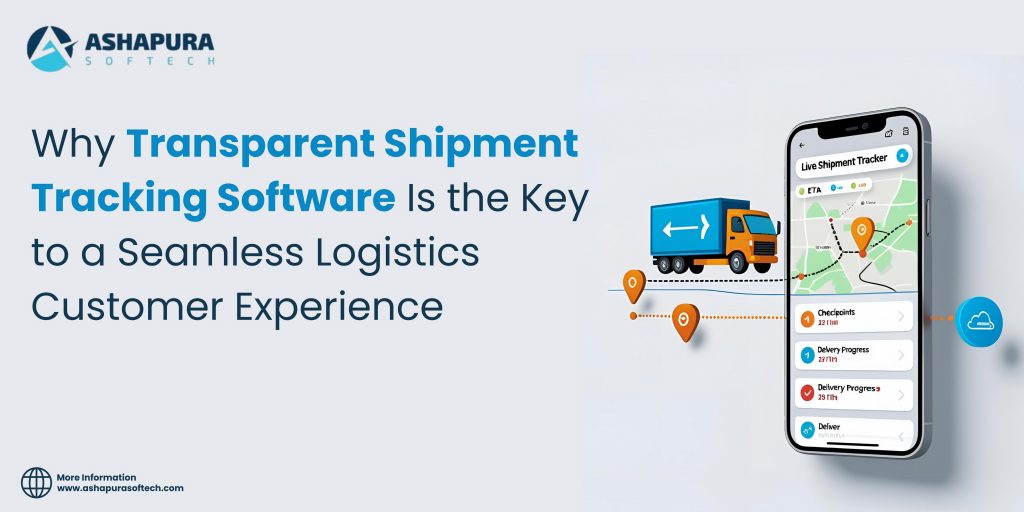
In today’s fast-paced logistics and e-commerce world, shipment tracking software is no longer optional — it’s essential. Customers expect full visibility into their deliveries, with real-time shipment tracking, timely notifications, and seamless communication across platforms. Transparency isn’t just about knowing where a package is; it’s about building trust and delivering a stress-free experience.
A robust shipment tracking platform helps businesses reduce customer support inquiries, increase delivery success rates, and boost brand loyalty. Whether you’re a small e-commerce seller or a large logistics provider, offering real-time delivery tracking software can set your service apart.
This article explores the growing importance of transparent shipment tracking, its impact on customer satisfaction, and the key features you should look for in a solution. We’ll also highlight top platforms and share tips on choosing the best e-commerce shipment tracking software for your unique needs, so you can stay ahead in an experience-driven marketplace.
What Is Shipment Tracking Software?
At its simplest, shipment tracking software enables businesses and customers to see the entire delivery journey. This technology captures real-time data — where the package is, what stage of transit it’s in, and even who last handled it — and shares it via an intuitive platform.
There are two main types:
- Single-carrier tracking: Integrated with one courier (e.g., UPS or DHL).
- Multi-carrier shipment tracking software: Offers unified updates across many carriers, ideal for e-commerce brands handling global shipments.
A robust shipment tracking platform sits at the heart of this ecosystem, feeding real-time data into branded interfaces, apps, and customer notifications. It becomes the central travel companion for both brands and customers.
Rise of Logistics Tech
In the last decade, logistics has undergone a digital revolution. What was once a manual, paper-based industry has evolved into an ecosystem powered by automation, AI, and smart analytics. At the center of this transformation lies shipment tracking software a tool that has redefined how businesses manage deliveries. With the rise of global e-commerce, real-time data and tracking accuracy are no longer luxuries; they’re expectations. Shipment tracking platforms now empower businesses to streamline operations, reduce delivery errors, and improve the entire customer journey.
Outdated methods like manual updates or delayed notifications simply don’t cut it anymore. Modern logistics demands real-time shipment tracking that automates every touchpoint from dispatch to delivery.
Why Transparency Matters in Shipment Tracking
Transparency is not just about showing a tracking number. It’s about providing full end-to-end shipment visibility. With robust e-commerce shipment tracking software, brands can proactively communicate shipment status, estimated delivery times, and any delays.
This builds three essentials:
- Customer trust
- Peace of mind
- Long-term loyalty
Just like GPS guides a driver, transparent tracking guides customers through their post-purchase journey, ensuring they feel informed and in control.
The Modern Customer Expectation
Today’s consumers expect fast, trackable, and seamless deliveries — regardless of the product. Whether it’s a smartphone or a sofa, buyers want:
- Real-time delivery tracking software
- Mobile notifications
- Effortless return handling
These expectations, set by giants like Amazon and Flipkart, have become standard. If your shipment tracking software doesn’t match these benchmarks, your customers will notice — and likely churn.
To stay competitive, your logistics strategy must be powered by a transparent, scalable, and customer-focused shipment tracking platform.
Understanding Shipment Tracking Software
In today’s logistics-driven world, shipment tracking software is more than just a utility — it’s the backbone of modern supply chains. Whether you’re running an e-commerce store or managing a large-scale logistics network, this technology provides real-time visibility, minimizes delays, and enhances customer satisfaction.
What is Shipment Tracking Software?
Shipment tracking software is a digital solution that allows businesses and customers to track packages from the moment they are dispatched until they reach the final destination. It utilizes technologies such as GPS, barcode scanning, and API integrations with shipping carriers to provide real-time shipment tracking and status updates.
This software is often cloud-based, giving logistics teams and customers access to live dashboards, automated alerts, and delivery insights — making it a must-have for any ecommerce shipment tracking software stack.
Types: Single-Carrier vs Multi-Carrier
- Single-Carrier Shipment Tracking Tools
These are built for businesses that rely on one logistics provider (like DHL, UPS, or FedEx). They offer basic tracking features and real-time delivery updates directly from that carrier’s system. - Multi-Carrier Shipment Tracking Platforms
Ideal for e-commerce brands that work with several fulfillment partners. These shipment tracking platforms unify data from multiple carriers into a centralized interface, improving logistics flexibility and reducing operational overhead.
The Evolution of Tracking Systems
The journey of tracking has come a long way — from handwritten ledgers to fully automated delivery tracking software. Today’s tools offer:
- QR/barcode scanning
- GPS-based real-time location updates
- AI-powered delivery ETAs
- Customer-facing tracking dashboards
These advancements empower businesses to deliver not just packages, but trust and efficiency.
Key Features of Transparent Shipment Tracking Software
To deliver a flawless logistics experience, businesses need more than basic tracking. The right shipment tracking software must offer transparency, accuracy, and proactive communication. Below are the essential features that define a reliable shipment tracking platform in today’s competitive landscape.
1. Real-Time GPS Location
Modern customers expect to know exactly where their package is. With real-time shipment tracking, live GPS updates remove uncertainty. Whether it’s around the corner or across the globe, customers can watch their delivery in motion, like a moving dot heading straight to their doorstep. This is the foundation of great delivery tracking software.
2. Multi-Carrier Support
A strong shipment tracking platform should support multiple logistics carriers — FedEx, DHL, UPS, Delhivery, USPS — under one unified dashboard. This is especially critical for e-commerce businesses handling global deliveries using various shipping partners.
3. Automated Updates and Alerts
Customers love updates. A good e-commerce shipment tracking software automatically sends alerts at key stages: pick-up, in transit, out for delivery, and delivered. If delays occur, customers are notified without needing to ask, building trust and loyalty.
4. Branded Tracking Experience
Your tracking page should reflect your brand. Fonts, colors, logos, and messaging should feel consistent. This builds recognition and creates a seamless brand journey, even after checkout.
5. Proof of Delivery (POD)
To resolve disputes or confirm successful deliveries, shipment tracking software should offer POD options — photos, digital signatures, or barcode scans. These eliminate ambiguity and strengthen accountability.
6. Centralized Dashboard and Analytics
Brands benefit from detailed insights — carrier performance, delayed routes, average delivery time, and customer satisfaction. A centralized analytics dashboard helps logistics teams make data-driven decisions and optimize the customer journey.
7. API Integration Flexibility
A powerful delivery tracking software must integrate easily with CRMs, ERPs, Shopify, WooCommerce, Magento, and other platforms. Real-time syncing improves internal workflows and enhances the customer experience.
8. Multi-Channel Engagement
Customers interact via email, SMS, WhatsApp, or mobile apps. The best shipment tracking platforms provide real-time updates across all these channels — offering reroute options or delivery instructions directly through messaging.
9. Custom Alerts and Smart Workflows
Industries like cold-chain, pharmaceuticals, or luxury goods require strict monitoring. Custom alerts can be configured for temperature breaches, delays, or missed scans — helping teams act fast and stay compliant.
How Transparent Shipment Tracking Enhances Customer Experience
Modern customers expect more than just a delivery — they expect visibility, communication, and reassurance. With the right shipment tracking software, you’re not just showing where a package is; you’re building an end-to-end journey that reassures and delights.
Let’s consider a typical customer journey:
- Order Confirmation: The customer receives, “Your order is being prepared.”
- Pickup Notification: A personalized alert pops up, “Your package has been picked up by FedEx.”
- In-Transit Visibility: Using real-time shipment tracking, customers view the exact location of their parcel on a mini-map.
- Out for Delivery: The ETA updates hourly, reducing delivery anxiety.
- Delivery Proof: A photo or e-signature confirms completion, and a thank-you message encourages feedback.
Each touchpoint in this transparent process helps build trust. The buyer feels cared for, informed, and in control — exactly the experience today’s ecommerce shoppers demand.
Business Advantages of Shipment Tracking Software
Beyond customer satisfaction, delivery tracking software unlocks substantial operational benefits for logistics providers and online sellers.
Fewer Support Tickets
Transparent tracking reduces the most common customer inquiry: “Where is my order?” Studies show a 50–60% drop in support requests when real-time updates are in place.
Faster Issue Resolution
With time-stamped logs and shipment history, support teams can quickly pinpoint where a delay or error occurred. This speeds up resolution and minimizes refund requests.
Better Carrier Performance Tracking
A multi-carrier shipment tracking platform tracks courier reliability, helping you identify patterns — late deliveries, missed scans, or SLA breaches. Use this data to renegotiate contracts or switch providers.
Boosted Operational Efficiency
A centralized dashboard helps logistics managers detect bottlenecks, streamline workflows, and allocate resources better, especially during high-demand periods like sales or holidays.
Increased Repeat Purchases
Customers who feel informed and empowered during the delivery process are twice as likely to reorder. In subscription-based businesses or e-commerce, shipment tracking software can directly impact long-term revenue.
Stronger Brand Reputation
In the age of online reviews, one bad delivery can harm your brand. Transparent tracking ensures you stay ahead of problems and turns satisfied customers into vocal advocates.
Real-World Case Studies: Companies Excelling in Shipment Tracking
Let’s explore how leading brands are using shipment tracking software to drive loyalty and efficiency.
FedEx
FedEx leads the way with real-time shipment tracking and interactive maps. Customers receive automatic alerts, weather delay updates, and customs status — all of which boost confidence and minimize confusion.
DHL Express
DHL’s MyDHL API integrates deeply with online stores, marketplaces, and mobile apps. Its flexible, white-labeled solution provides branded tracking pages and seamless checkout integration — making ecommerce shipment tracking software part of the purchase flow.
Delhivery (India)
Delhivery’s tech-first approach includes mobile-based geolocation, proof-of-delivery via photos, and instant rescheduling options. This transparency helped revolutionize India’s fragmented delivery sector and gain consumer trust in Tier 2 and Tier 3 cities.
Shopify Shipping
Shopify’s built-in delivery tracking software supports multiple carriers and provides real-time updates, SMS/email notifications, and branded tracking pages. Even small merchants can offer a professional post-purchase experience without extra tools.
Challenges of Implementing Transparent Shipment Tracking
While the benefits of transparency in logistics are undeniable, implementing it with precision and scale brings real-world obstacles. Let’s break down the most common challenges businesses face when adopting transparent shipment tracking software.
Data Standardization
One of the biggest hurdles is aligning multiple data formats. Each courier — FedEx, USPS, Delhivery, etc. — uses its own tracking event codes and statuses. Without normalization, businesses receive fragmented, often confusing data.
A professional shipment tracking platform unifies these codes into simplified, customer-friendly statuses like “In Transit,” “Out for Delivery,” and “Delivered.” This standardization is the foundation of clear communication and system-wide visibility.
Integration Complexity
Companies often operate legacy systems or custom ERPs that were never designed to plug into modern logistics APIs. Integrating delivery tracking software into such systems can require middleware, SDKs, or custom-built API bridges.
To reduce integration overhead, choose platforms with prebuilt connectors for popular tools like Shopify, Magento, Zoho, and Salesforce. Flexible APIs also help synchronize tracking data with CRMs and customer service portals.
Infrastructure and Cost Overheads
Real-time shipment tracking demands high-frequency data transfers, which can drive up costs for cloud storage, servers, and APIs, especially when handling thousands of orders daily.
Smart ecommerce shipment tracking software uses data caching, event-based triggers, and batch syncing to reduce data traffic and infrastructure load — while still maintaining accurate updates.
Customer Support Alignment
Even the best tracking data is useless if your support team can’t interpret or act on it. Often, teams need retraining to use the new shipment visibility tools effectively.
Ensure your shipment tracking software includes user-friendly dashboards, guided ticket creation, and integrated communication tools — so teams can answer customer queries with confidence and clarity.
Privacy, Security, and Compliance
With increased transparency comes increased responsibility. If you operate in regions covered by GDPR, CCPA, or HIPAA, your shipment tracking platform must support encrypted data transmission, retention controls, and user consent mechanisms.
Trustworthy platforms also provide audit trails and access logs — essential for regulated sectors like healthcare, fintech, and pharma.
The Future of Shipment Tracking Software
As customer expectations continue to rise, so too must the capabilities of your delivery tracking software. Here’s what’s on the horizon:
AI-Powered Predictive ETAs
Modern shipment tracking software is moving beyond passive updates. AI algorithms are now analyzing historic traffic data, weather trends, carrier behavior, and customer location to proactively predict delays.
This predictive intelligence allows businesses to send early warnings and alternate delivery options, reducing frustration and building brand loyalty.
Blockchain-Based Logistics Records
Blockchain enables immutable, transparent shipment logs that cannot be altered. This ensures authenticity and traceability — especially useful in industries like luxury goods, pharmaceuticals, and compliance-heavy logistics.
By logging each movement and signature, e-commerce shipment tracking software backed by blockchain can minimize fraud and speed up dispute resolution.
Integration with Smart Lockers & Drones
The future isn’t just faster — it’s smarter. Customers will soon receive updates not just on delivery times but on smart locker availability or drone landing schedules.
Advanced shipment tracking platforms will notify users to scan a QR code at a locker station or even confirm drop-off through drone-view streaming.
Enhanced Interactive Dashboards
Next-gen real-time shipment tracking systems will allow users to:
- Chat directly with the delivery agent
- Reschedule or reroute from the map interface
- Visualize delivery routes in augmented reality
- Access branded portals with customer-specific recommendations post-delivery
How to Choose the Right Shipment Tracking Platform
Selecting the ideal shipment tracking software depends on your business model, technical stack, and customer experience goals. Here’s what to evaluate:
1. Delivery Volume Scope
Whether you’re a single-location store or an enterprise-level operation, the shipment tracking platform must scale with your order volume and handle peak load seamlessly.
2. Supported Carriers
A robust delivery tracking software should support multiple global and regional carriers — FedEx, UPS, Delhivery, USPS — consolidating them under one dashboard for universal visibility.
3. Integration Options
Look for tools that integrate easily with Shopify, Magento, custom-built platforms, or ERPs. Top e-commerce shipment tracking software offers plug-and-play APIs and SDKs.
4. Branded Experience
Customizable tracking pages aligned with your brand’s look, feel, and tone enhance loyalty and reduce third-party redirection.
5. Notifications & Engagement
Choose platforms that support real-time shipment tracking with multi-channel alerts via SMS, email, WhatsApp, or push notifications.
6. Data & Analytics
Your shipment tracking software should include dashboards to analyze delivery success rates, delay trends, and carrier performance.
7. Pricing & Scalability
Ensure transparent pricing — whether it’s per tracking, monthly, or enterprise-based. Confirm the platform can scale with minimal downtime.
8. Support & Maintenance
24/7 technical support, robust documentation, and proactive SLAs are essential for uninterrupted operations.
Top Shipment Tracking Software Solutions
Choosing the right shipment tracking software can transform your logistics and elevate customer experience. Below are some of the best platforms designed to support real-time updates, multi-carrier logistics, and e-commerce visibility:
- AfterShip: A powerful e-commerce shipment tracking software that supports 1,000+ carriers worldwide. It offers branded tracking pages, SMS/email updates, and analytics — ideal for Shopify and WooCommerce sellers.
- ShipStation: Known for automating shipping and tracking workflows, ShipStation integrates with all major e-commerce platforms. It simplifies multi-label printing, order syncing, and delivery tracking.
- Narvar: A customer experience-first shipment tracking platform, Narvar helps brands retain loyalty post-purchase with delivery alerts, return portals, and personalized messages.
- EasyPost: Offers a flexible API that enables brands to build a customized delivery tracking software layer into existing logistics systems. Perfect for high-volume and enterprise users.
- Route: Ideal for small-to-mid brands, Route combines package protection with visual order tracking to reduce WISMO (“Where is my order?”) tickets and build customer trust.
- Custom Solutions: Enterprise businesses may benefit from tailor-made platforms offering integrations with internal systems, enhanced control, and unique industry requirements.
Implementation Best Practices
- Pilot Small: Begin your tracking software rollout with one region or product line.
- CRM Integration: Sync with CRM, marketing, and ecommerce platforms to create a unified customer view.
- Personalized Notifications: Brand every message — from font to tone — with order details and tracking info.
- Monitor Key Metrics: Track CSAT, repeat purchases, and support ticket volume.
- Scale Smart: Expand by analyzing performance and applying insights to new carrier partners or markets.
Conclusion
In a world where speed and transparency are expectations — not luxuries — shipment tracking software is no longer a nice-to-have. Today’s customers expect real-time updates, proactive communication, and total visibility over their orders. Brands that deliver this experience not only reduce support costs and delivery mishaps but also build lasting trust and loyalty. Whether you’re in logistics, e-commerce, or B2B fulfillment, a robust shipment tracking platform serves as your brand’s digital handshake. It’s the critical bridge between operations and customer satisfaction. By choosing the right delivery tracking software — equipped with real-time shipment tracking, seamless integrations, branded messaging, and performance analytics — you create a powerful, scalable logistics engine that drives growth. Want to implement transparent shipment tracking for your business? Contact us at [email protected] for expert consultation and customized software solutions.