
Introduction
In today’s fast-moving and highly competitive market, UK businesses are leaning more and more on technology to stay ahead. The days when digital tools were a “nice-to-have” are long gone. Now, digital transformation is a must—not just to grow but to survive.
At the heart of this transformation is Enterprise Resource Planning (ERP). Once seen as a behind-the-scenes tool used only by large enterprises, ERP systems have evolved into powerful, strategic platforms. They help businesses connect their operations, improve efficiency, and drive innovation from the inside out.
In this article, we’ll explore how ERP development services are helping UK companies digitally transform. We’ll look at the benefits these businesses are seeing and why choosing the right ERP development agency makes all the difference.
What Does Digital Transformation Really Mean?
Digital transformation goes beyond simply adopting new software or switching to cloud apps. It represents a fundamental shift in how businesses operate, make decisions, and serve their customers. At its core, it’s about using modern digital tools to become more agile, efficient, and customer-focused.
In the UK, several key trends are accelerating this change. Customers now expect quicker, more personalized experiences. Remote working and digital collaboration tools have become standard. Government initiatives continue to push for innovation, and competition from tech-savvy startups is forcing traditional businesses to evolve.
For many companies, the first step toward successful digital transformation is implementing a smart, scalable ERP system.
For UK companies, there are a few key reasons digital transformation is gaining speed:
- Customers today want faster, more personalized services.
- Remote working and online collaboration are the new norm.
- The UK government is encouraging digital innovation across industries.
- New tech-savvy startups are increasing the pressure to modernize.
Successful digital transformation often starts with the right foundation, and for many companies, that foundation is an ERP system.
What Is ERP and Why Is It Important?
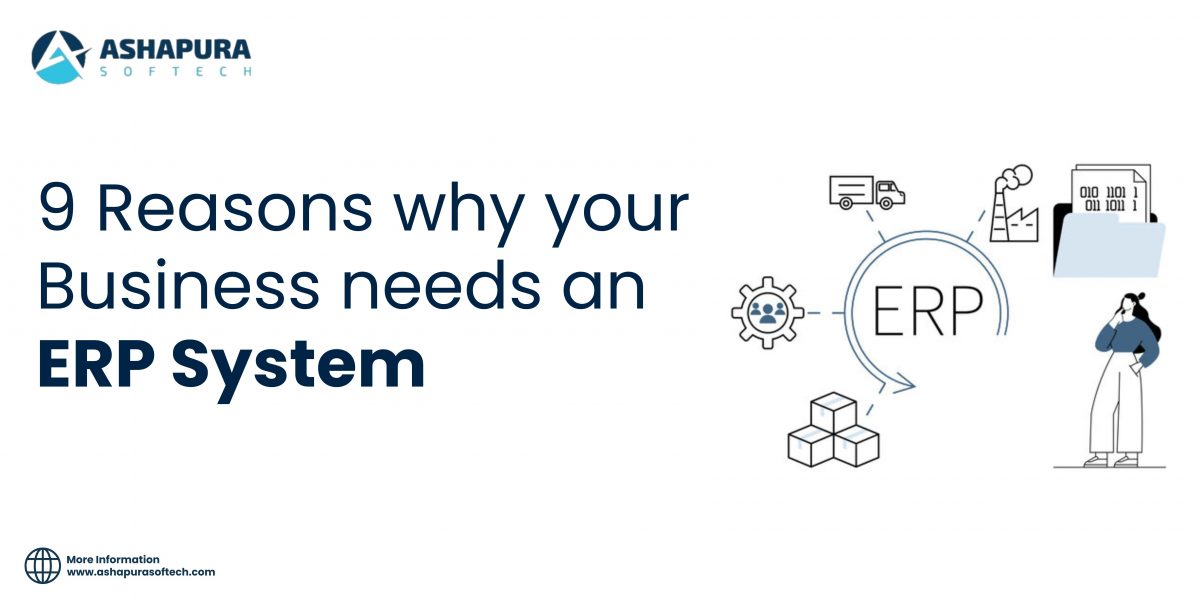
ERP, or Enterprise Resource Planning, is a powerful software solution designed to integrate and streamline all your essential business functions into one centralized platform. Instead of using separate systems for finance, HR, inventory, and customer management, an ERP system brings everything together, making operations smoother, data more accessible, and teams more connected.
Core modules of an ERP system often include:
- Finance & Accounting for real-time financial control and reporting
- Supply Chain Management to enhance procurement, logistics, and distribution
- CRM to manage customer interactions and sales pipelines
- Human Resources to simplify employee management and recruitment
- Inventory Management to track stock levels, shipments, and demand
Today’s businesses, especially in the UK, are shifting from outdated, on-premise systems to cloud-based ERP platforms. Why? Because they offer better scalability, lower costs, and easier maintenance. Engaging with the right ERP development agency ensures the system is tailored to your needs. Trusted ERP development services empower businesses to become more agile, efficient, and future-ready.
The Impact of ERP on Business Processes
An ERP system does more than just streamline operations—it transforms the way businesses work. By integrating key departments such as finance, HR, sales, inventory, and customer service into one unified platform, companies gain real-time visibility and control over their operations.
With the help of expert ERP development services, businesses can automate routine tasks, improve cross-department collaboration, and make more informed decisions backed by live data and analytics. The benefits are significant:
- Efficiency Gains – Automation frees employees from manual work, allowing them to focus on higher-value tasks.
- Real-Time Insights – Live dashboards and performance reports enable faster, data-driven decisions.
- Improved Collaboration – A centralized system keeps all departments aligned and informed.
- Cost Reduction – Smart resource planning and inventory management help reduce waste and optimize budgets.
- Regulatory Compliance – Standardized processes support legal and industry-specific compliance.
Partnering with the right ERP development agency helps tailor these systems to meet specific business needs, enhancing agility, innovation, and competitiveness.
How UK Businesses Are Embracing ERP for Digital Transformation
Across the UK, businesses in every sector are using ERP technology to drive digital transformation and gain a lasting edge in their industries. From retail and manufacturing to healthcare and services, ERP is reshaping business operations.
Real-World Examples:
- Retail: A major UK retailer implemented a cloud-based ERP system to sync inventory, logistics, and sales. The result? A 25% drop in stockouts and improved customer satisfaction.
- Manufacturing: A growing manufacturer partnered with an ERP development firm to automate production planning. This reduced lead times by 40% and improved supply chain transparency.
- Healthcare: A private clinic adopted an ERP solution to manage appointments, billing, and patient records, enhancing the patient experience and strengthening data security.
More UK businesses are choosing custom ERP development to match their unique challenges. By working with experienced ERP development firms, they ensure not only smooth implementation but also scalability and long-term support.
Whether cloud-based, hybrid, or fully customized, ERP is becoming the digital backbone for modern UK enterprises.
The ROI of ERP in a Digital Era
Investing in an ERP system can feel like a major financial decision, but when done right, the return on investment (ROI) is both measurable and substantial. Modern ERP platforms are not just expenses; they’re long-term assets that streamline processes, reduce manual labor, and enable real-time data access, all of which directly impact your bottom line.
Key Metrics to Measure ERP ROI:
- Reduction in Operational Costs: By automating repetitive tasks and streamlining workflows, businesses save significantly on labor and process inefficiencies.
- Increased Employee Productivity: Teams spend less time on admin and more on strategic tasks, boosting output across departments.
- Enhanced Customer Satisfaction: Faster response times, better service delivery, and accurate order tracking lead to happier customers and increased loyalty.
- Improved Inventory Turnover: Real-time inventory data helps optimize stock levels and reduce waste.
- Faster Time-to-Market: Integrated planning and resource management accelerate product development and delivery cycles.
Most UK businesses working with a reliable ERP development agency report recovering their ERP investment within 18 to 24 months. With the right implementation strategy, an ERP system becomes a growth engine, reducing costs, increasing revenue, and supporting sustainable scalability. That’s why so many companies now view ERP development services as a strategic necessity in the digital era.
7. Choosing the Right ERP Partner
Choosing the right ERP development partner is one of the most important steps in your digital transformation journey. While the software itself is essential, it’s the ERP development agency behind it that determines whether your implementation will succeed or struggle.
What to Look for in an ERP Development Firm:
- Proven Industry Expertise: Look for a partner with experience in your specific sector—whether it’s manufacturing, retail, healthcare, or services.
- Custom ERP Development Capabilities: Off-the-shelf solutions don’t fit every business. Your ERP partner should offer tailored solutions that align with your workflows and goals.
- Cloud Integration Experience: Today’s ERP systems must be cloud-ready or hybrid. Ensure your agency can manage seamless cloud integrations.
- Post-Implementation Support: Ongoing support, staff training, and system upgrades are critical to long-term success.
- Positive Reviews and Case Studies: A proven track record with real client stories adds credibility and trust.
An experienced ERP development firm does more than write code—they act as strategic advisors, helping you future-proof your business with scalable and adaptable technology. By partnering with a trustworthy ERP development agency, UK businesses can unlock the full value of ERP and ensure every pound invested returns multiple times in operational efficiency and business growth.
Future Trends in ERP and Digital Transformation
The world of ERP development is constantly evolving, driven by cutting-edge technologies that are reshaping how businesses operate and compete. As UK companies continue their digital transformation journeys, staying ahead of these emerging ERP trends is essential to maintain agility and innovation.
Key Future Trends to Watch:
- Intelligent ERP (i-ERP): The integration of artificial intelligence (AI) and machine learning (ML) into ERP systems is revolutionizing data analysis. Intelligent ERP can predict trends, automate decision-making, and provide actionable insights, helping businesses stay proactive rather than reactive.
- Mobile ERP: With the rise of remote work, mobile ERP solutions are becoming vital. These systems allow employees to access critical business data and perform tasks from anywhere, boosting productivity and flexibility.
- IoT Integration: Internet of Things (IoT) devices connected to ERP systems enable real-time monitoring of assets, equipment, and supply chains. This enhances operational efficiency and supports predictive maintenance.
- Sustainability Tracking: ERP solutions are beginning to include features that track carbon footprints, resource usage, and ethical sourcing, helping companies meet environmental and regulatory goals.
- Hyperautomation: Combining robotic process automation (RPA) with AI, hyperautomation automates complex business processes end-to-end, reducing errors and speeding up workflows.
Leading ERP development agencies are embracing these innovations to deliver smart, scalable, and future-proof ERP solutions that empower UK businesses to thrive in the digital era.
FAQs
What is ERP and why is it essential for digital transformation?
ERP (Enterprise Resource Planning) integrates various business functions into a single platform, enabling real-time data access, improved collaboration, and streamlined processes — all critical for successful digital transformation.How can ERP systems improve efficiency and reduce costs for UK businesses?
ERP automates routine tasks, enhances resource planning, and provides real-time insights, helping companies reduce operational costs, minimize waste, and boost overall efficiency.What are the key benefits of choosing a cloud-based ERP system?
Cloud-based ERP offers scalability, lower upfront costs, easier maintenance, remote access, and faster deployment, making it ideal for modern UK businesses adapting to changing market demands.How do I select the right ERP development partner for my business?
Look for a partner with proven industry experience, custom development skills, cloud integration expertise, strong post-implementation support, and positive client testimonials to ensure a successful ERP deployment.- What future trends in ERP should UK businesses prepare for?
Emerging trends include Intelligent ERP powered by AI and machine learning, mobile ERP for remote access, IoT integration for real-time monitoring, sustainability tracking, and hyperautomation to optimize end-to-end processes.
Conclusion
Digital transformation is reshaping the UK business landscape, and ERP systems are at the heart of this evolution. From improving internal efficiencies to delivering better customer experiences, ERP development services play a pivotal role in helping businesses stay competitive. Investing in the right ERP system through a trusted ERP development agency empowers organizations to harness the full potential of digital transformation. As technologies evolve, UK businesses that prioritize ERP will continue to lead in innovation, resilience, and growth. Ready to accelerate your digital transformation with a customized ERP solution?Partner with Ashapura Softech, your trusted ERP development agency. Contact us today at [email protected] to start your journey toward a smarter, more connected future.