



Introduction
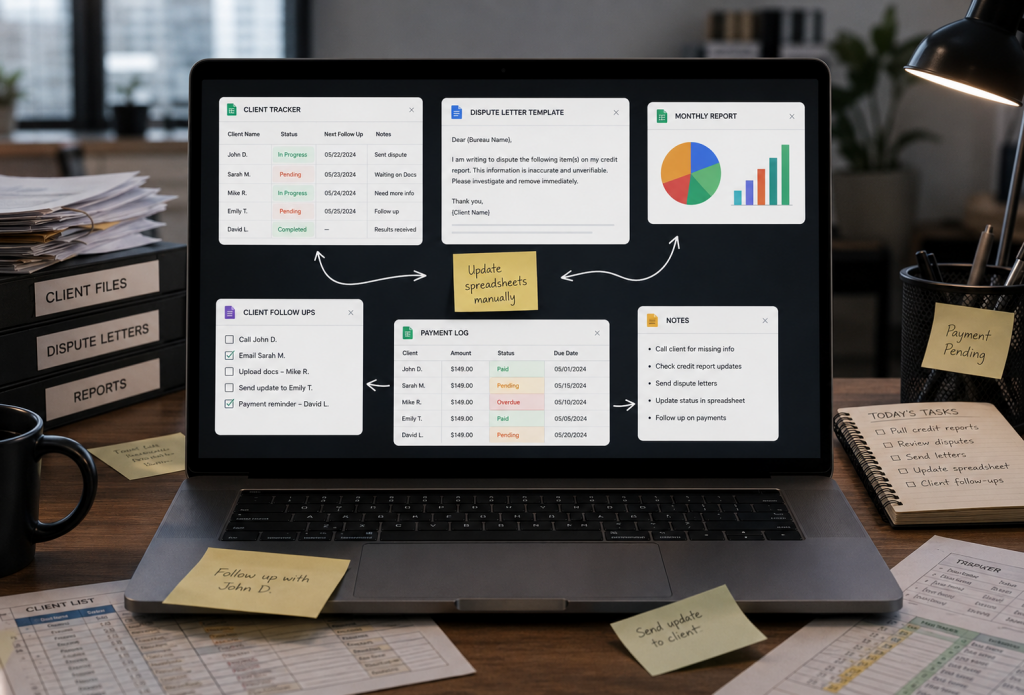
In today’s competitive US market, businesses face growing pressure to meet revenue targets while managing increasingly complex sales operations. Many sales teams struggle with fragmented data, slow lead follow-ups, and inconsistent forecasting—challenges that can limit productivity and stall growth. To address these issues, organizations are turning to Salesforce Sales Cloud, a leading CRM platform for US sales teams and a powerful sales automation solution, to streamline workflows, increase pipeline visibility, and drive predictable revenue growth.
Salesforce Sales Cloud goes beyond traditional CRM functionality. By centralizing customer data and providing AI-driven sales insights and predictive analytics, it helps sales leaders make informed decisions, forecast revenue accurately, and ensure that sales teams are aligned with organizational goals. This intelligence and visibility are essential for businesses implementing scalable and reliable revenue growth strategies.
Whether you are a small business seeking a flexible CRM, a mid-market company optimizing sales processes, or an enterprise managing multi-region teams, Salesforce Sales Cloud delivers measurable results.
Key features include:
- Automated lead scoring for prioritizing high-quality prospects
- Opportunity management to track deals effectively
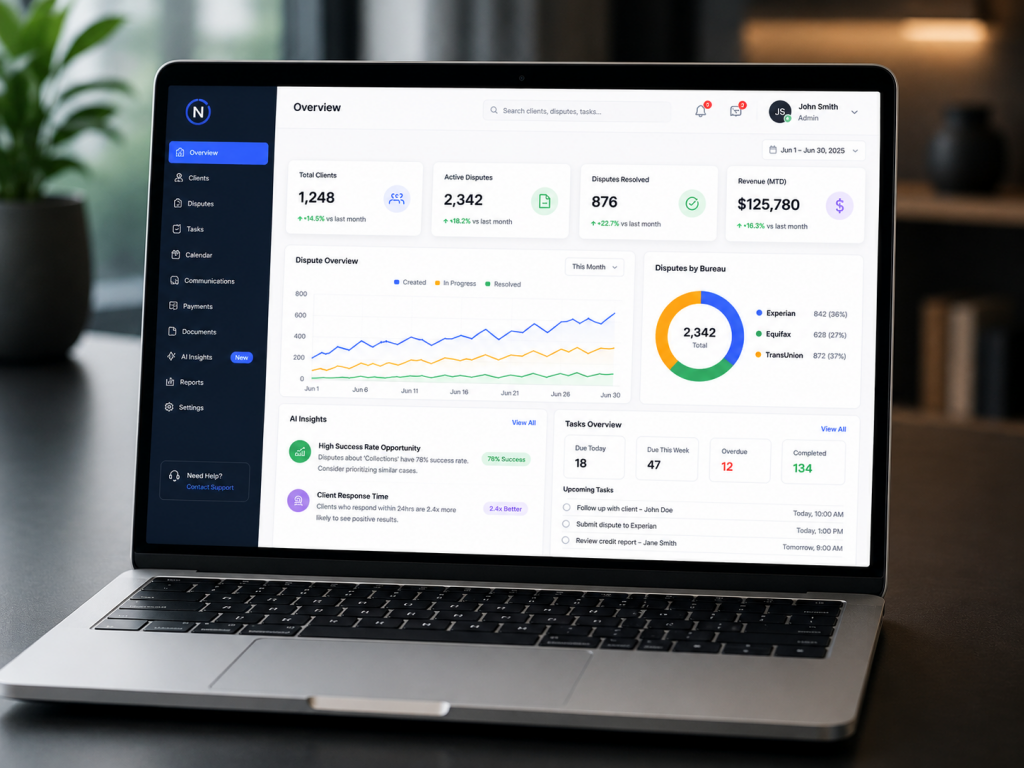
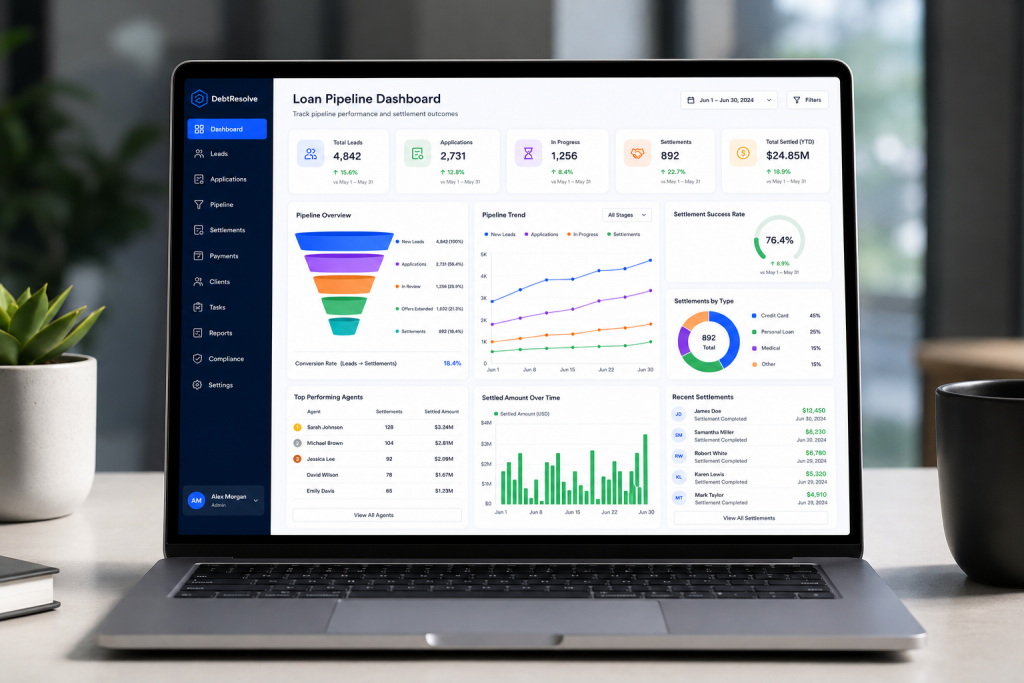
- Real-time dashboards for performance monitoring
- Predictive analytics for smarter decision-making
In this guide, we’ll explore how US businesses leverage Salesforce Sales Cloud to maximize revenue. You’ll discover its core features, best practices for Salesforce Sales Cloud implementation, practical use cases for businesses of all sizes, and essential metrics for tracking success. By the end, you’ll see how Salesforce Sales Cloud can transform sales operations into a high-performing, revenue-generating engine.
What Is Salesforce Sales Cloud?
Salesforce Sales Cloud is a leading CRM platform designed to help US businesses manage their entire sales process—from prospecting and lead management to opportunity tracking and deal closure. Recognized as one of the most widely adopted CRM software solutions in the USA, Sales Cloud empowers sales teams to streamline workflows, optimize sales pipeline visibility, and drive predictable revenue growth.
Salesforce Sales Cloud Explained
Salesforce Sales Cloud serves as a centralized platform for managing customer relationships, sales operations, and business intelligence. It combines traditional CRM functionality with advanced AI-powered sales automation tools, enabling organizations to track leads, manage accounts, forecast revenue, and generate actionable insights.
This sales CRM platform is trusted by businesses of all sizes:
- Small businesses seeking a scalable cloud-based CRM to support growth efficiently
- Mid-market companies aiming to optimize sales processes, improve forecasting, and increase team productivity
- Enterprise organizations requiring multi-region sales tracking, predictive analytics, and advanced reporting
With its cloud-based infrastructure, Salesforce Sales Cloud allows teams to access real-time sales data from anywhere, whether in the office or remotely. Its mobile-first design, intuitive dashboards, and AI-driven insights make it an ideal solution for modern, distributed sales operations.
How Salesforce Sales Cloud Supports Revenue Operations (RevOps)
Beyond being a CRM, Salesforce Sales Cloud functions as a revenue operations platform, aligning sales, marketing, and leadership teams. By centralizing lead-to-revenue workflows, tracking opportunities, and providing predictive sales analytics, it empowers organizations to make data-driven decisions, accelerate deal velocity, and maximize customer lifetime value (CLV). Automated workflows, AI-driven insights, and pipeline optimization tools ensure every stage of the sales cycle is efficient, scalable, and profitable.
Salesforce Sales Cloud Features That Directly Increase Revenue
Salesforce Sales Cloud is more than a CRM—it’s a revenue acceleration platform designed to help US businesses increase sales efficiency, improve pipeline visibility, and drive predictable revenue growth. Its robust suite of features combines sales automation, AI-driven insights, and real-time analytics to optimize every stage of the customer lifecycle. Below, we explore the key features that directly contribute to revenue growth and explain how businesses leverage them for measurable results.
1. Lead Management & AI-Powered Lead Scoring
Effective lead management is critical to revenue growth. Salesforce Sales Cloud automates lead capture from multiple channels—website forms, email campaigns, social media, and events—and uses AI-powered lead scoring (via Salesforce Einstein) to prioritize the most promising prospects.
Benefits for sales teams:
- Faster lead routing to the right sales reps
- Reduced lead leakage and missed opportunities
- Improved lead-to-opportunity conversion rates
- Predictive scoring for better targeting
2. Opportunity & Pipeline Management
Salesforce Sales Cloud provides visual pipelines that allow sales teams to track opportunities in real time. Every deal stage—from qualification to negotiation—is visible, enabling reps and managers to make data-driven decisions quickly.
Key features:
- Customizable pipeline views by team, region, or product
- Stage tracking with probability scoring
- Forecasting based on real-time pipeline data
- Alerts for stalled or at-risk deals
Revenue Impact:
- Higher win rates due to proactive opportunity management
- Faster deal closures through data-driven prioritization
- Improved collaboration across sales teams
3. Sales Forecasting & Predictive Analytics
Accurate revenue forecasting is essential for US businesses aiming to scale predictably. Salesforce Sales Cloud uses AI-driven forecasting to provide real-time revenue projections based on historical trends, pipeline data, and opportunity probabilities.
Benefits include:
- Executive dashboards for sales leadership
- Predictive insights for quota planning
- Identification of revenue gaps before quarter-end
- Strategic resource allocation based on forecasted revenue
4. Sales Automation & Productivity Tools
Automation reduces repetitive administrative tasks, freeing sales reps to focus on selling. Salesforce Sales Cloud automates workflows such as follow-up emails, task assignments, approvals, and quote generation.
Key productivity enhancements:
- Task automation to eliminate manual work
- Workflow rules for approvals and deal escalation
- Mobile CRM access for remote and distributed teams
- Integration with marketing automation tools
Revenue Impact:
- Shortened sales cycles
- Increased rep productivity
- Higher lead-to-deal conversion rates
5. Sales Analytics, Reports & Dashboards
Salesforce Sales Cloud provides real-time dashboards and reporting tools that give teams visibility into KPIs, sales performance, and revenue trends. Managers can create custom reports to analyze individual rep performance, pipeline health, and territory growth.
Benefits:
- Data-driven decision-making across teams
- Early identification of bottlenecks or underperforming deals
- Performance benchmarking and incentive planning
- Enhanced cross-team collaboration through shared insights
6. Integration & AI Capabilities
Salesforce Sales Cloud integrates seamlessly with marketing automation, ERP systems, and other business tools. Its AI capabilities, powered by Salesforce Einstein, provide predictive insights, recommend next best actions, and optimize customer engagement.
Revenue Benefits:
- End-to-end visibility across the sales funnel
- Better alignment between sales and marketing teams
- Increased upsell and cross-sell opportunities
- Faster decision-making based on actionable AI insights
How Businesses Use Salesforce Sales Cloud to Drive Revenue Growth
In the fast-paced business environment, companies face increasing pressure to meet revenue targets while optimizing complex sales operations. Salesforce Sales Cloud, a leading CRM platform, enables businesses to streamline workflows, improve pipeline visibility, and implement scalable revenue growth strategies. By combining AI-powered insights, sales automation, and real-time analytics, organizations of all sizes are transforming their sales operations into high-performing revenue engines.
We explore how US businesses leverage Salesforce Sales Cloud to improve sales conversion, accelerate deal velocity, and maximize customer lifetime value (CLV).
1. Increasing Lead-to-Opportunity Conversion Rates
Key benefits:
- Automated lead routing ensures the right sales reps engage the right leads at the right time
- Reduced lead leakage prevents missed revenue opportunities
- AI-powered scoring improves targeting for higher conversion rates
Revenue impact:
- Increased efficiency in converting leads into qualified opportunities
- Higher likelihood of closing deals with high-value prospects
2. Shortening Sales Cycles
Key features:
- Workflow automation for approvals, follow-ups, and proposal generation
- Opportunity tracking and stage alerts for stalled deals
- Mobile CRM access for remote and distributed sales teams
Revenue impact:
- Faster deal closures and increased sales velocity
- Greater capacity for reps to manage multiple opportunities
- Reduced time-to-revenue improves cash flow and ROI
3. Improving Win Rates with Data-Driven Insights
How it works:
- Historical deal analysis identifies trends in customer behavior
- AI-driven recommendations suggest next best actions to close deals
- Managers gain visibility into stalled or at-risk opportunities, enabling timely intervention
Revenue impact:
- Prioritized high-value deals improve success rates
- Sales coaching is informed by real-time performance insights
- Overall sales conversion rates increase across the organization
4. Growing Revenue from Existing Customers
Increasing revenue from existing accounts is as important as acquiring new customers. Salesforce Sales Cloud supports upselling and cross-selling by providing account-level insights, tracking customer needs, and recommending relevant products or services.
Key benefits:
- Higher customer lifetime value (CLV) through targeted expansion strategies
- Strengthened customer relationships, leading to repeat sales
- Enhanced account-based selling for strategic revenue growth
5. Optimizing Sales Productivity Across Teams
Features in action:
- Task automation reduces repetitive manual work
- Mobile CRM allows reps to sell from anywhere
- Collaboration tools align sales, marketing, and leadership teams
Revenue impact:
- More selling time per rep increases pipeline throughput
- Improved workflow consistency enhances accuracy and accountability
- Coordinated efforts drive larger deals and faster closures
6. Using Analytics to Drive Revenue Strategy
Applications for US businesses:
- Track conversion rates, average deal size, and sales cycle length
- Benchmark performance by territory or rep
- Identify pipeline bottlenecks and optimize resource allocation
Revenue impact:
- Continuous process improvement and data-driven strategy
- Accurate revenue forecasting and quota planning
- High-performing teams can scale results efficiently
7. Aligning Sales, Marketing, and Leadership
Key benefits:
- Marketing campaigns are synced with CRM data for higher-quality leads
- Sales leadership monitors pipeline health and forecast accuracy
- Improved collaboration reduces wasted effort and increases ROI
Revenue impact:
- Coordinated strategies maximize revenue opportunities
- Ensures consistent messaging across all customer touchpoints
- Supports enterprise-level revenue operations initiatives
Salesforce Sales Cloud Use Cases by Business Size
Small Businesses & Startups
Salesforce Sales Cloud offers affordable, scalable CRM solutions for small businesses and startups. With minimal IT overhead, teams can gain visibility into sales pipelines, track leads, and accelerate deal closures. Its quick implementation makes it ideal for growing companies looking for a Salesforce Sales Cloud for small business solution.
Key Benefits:
- Affordable, scalable CRM for small teams
- Complete visibility into sales pipelines
- Quick setup with minimal IT resources
Mid-Market Companies
For mid-market companies, Salesforce Sales Cloud helps manage multiple sales teams, improve sales forecasting accuracy, and integrate seamlessly with marketing and finance tools. By unifying sales operations, mid-sized businesses can scale efficiently, make data-driven decisions, and optimize revenue performance.
Key Benefits:
- Efficient management of multiple sales teams
- Accurate sales forecasts and detailed reporting
- Seamless integration with marketing, finance, and ERP systems
- Enhanced collaboration and sales process automation
Enterprise Organizations
Enterprise organizations can leverage Salesforce Sales Cloud for complex deal management, multi-region pipelines, and quota tracking across large teams. With advanced analytics and AI-powered forecasting, decision-makers gain actionable insights, ensuring strategic growth at scale. Salesforce provides a robust enterprise CRM solution that unifies global sales operations and drives performance.
Key Benefits:
- Advanced deal management for large, complex organizations
- Multi-region pipeline visibility and quota tracking
- AI-driven analytics and predictive forecasting
- Enhanced collaboration across global sales teams
Best Practices to Maximize Revenue with Salesforce Sales Cloud
1. Salesforce Sales Cloud Implementation Strategy
A successful Salesforce Sales Cloud implementation begins with careful planning. Organizations should first map their sales processes, including leads, opportunities, accounts, and sales pipelines. Proper mapping ensures that the CRM supports existing workflows rather than forcing teams to adapt to rigid systems. Ensure data quality. Cleaning and validating customer and sales data before migration prevents errors in forecasting, reporting, and pipeline visibility. Accurate data is the foundation for predictive analytics and AI-driven insights. Phased rollouts are recommended. Launching with a pilot team or single department allows businesses to identify challenges, adjust configurations, and gather feedback before organization-wide deployment.
Key Takeaways:
- Map sales processes before deployment
- Clean and validate CRM data for accuracy
- Implement Salesforce Sales Cloud in phases
2. Drive User Adoption for Maximum ROI
Even the most robust CRM system will fail without strong user adoption. Driving engagement ensures that teams leverage Salesforce Sales Cloud to its full potential. Training and onboarding are critical. Provide hands-on programs for sales, marketing, and service teams, showing real-world applications of the CRM. Encourage mobile CRM adoption so field and remote employees can access real-time customer data, update opportunities, and follow up faster. Incentivize CRM usage. Recognition programs for employees who consistently update dashboards, log activities, and maintain high-quality data drive engagement and improve CRM data accuracy, which is essential for forecasting and reporting.
Key Takeaways:
- Provide hands-on training and onboarding
- Promote mobile CRM usage for remote teams
- Incentivize consistent Salesforce usage across teams
3. Integrate Salesforce with Other Business Tools
- Marketing automation platforms: Enable effective lead nurturing, campaign tracking, and performance measurement.
- Finance and ERP systems: Ensure a smooth quote-to-cash process, reduce errors, and accelerate revenue recognition.
- Customer support systems: Provide a unified post-sale experience, with full access to account history, interactions, and service cases, improving customer satisfaction and retention.
Key Takeaways:
- Connect Salesforce to marketing automation for lead nurturing
- Integrate with finance and ERP for efficient quote-to-cash processes
- Align CRM with customer support to improve post-sale experience
4. Leverage AI and Automation Strategically
- Automate routine tasks: Data entry, follow-up reminders, and pipeline updates free sales teams for high-value activities.
- Predictive analytics: Identify high-potential leads and prioritize opportunities based on likelihood to close.
- Workflow optimization: Continuously monitor dashboards and processes to remove bottlenecks, streamline operations, and enhance sales efficiency.
Key Takeaways:
- Automate repetitive tasks to save time
- Use predictive analytics for sales prioritization
- Continuously optimize workflows using CRM insights
Key Metrics to Measure Salesforce Sales Cloud Revenue Impact
- Lead Conversion Rate: Shows which leads turn into real opportunities. Evaluating this metric helps your marketing and sales teams optimize campaigns, improve lead management, and increase pipeline efficiency.
- Average Deal Size: Measures the revenue per closed opportunity, highlighting upsell potential and helping teams prioritize high-value accounts.
- Sales Cycle Length: Tracks the time from lead capture to deal closure. Shorter cycles indicate efficient processes, while longer cycles reveal bottlenecks or workflow gaps.
- Revenue per Sales Rep: Assesses individual performance and capacity, enabling better resource allocation and team productivity.
- Forecast Accuracy: Compares predicted versus actual revenue to improve sales forecasting and strategic planning.
Common Salesforce CRM Challenges and How to Solve Them
- Low User Adoption: Inconsistent usage reduces CRM value. Offer hands-on training, ongoing support, and incentive programs to encourage consistent engagement.
- Poor Data Quality: Inaccurate or incomplete data undermines reporting and predictive insights. Conduct regular audits, validations, and data cleansing to maintain actionable records.
- Over-Customization: Excessive modifications create complexity and slow system updates. Maintain a core Salesforce structure while allowing necessary flexibility for team-specific workflows.
- Lack of Strategic Oversight: Without clear ownership, CRM initiatives may stall. Assign a CRM owner or RevOps lead to drive adoption, maintain system health, and align Salesforce usage with business objectives.
AI and Automation Strategies to Maximize Salesforce ROI
- Automate Routine Tasks: Reduce time spent on data entry, follow-up reminders, and pipeline updates to free up your sales team for high-value activities.
- Predictive Analytics: Identify high-potential leads and prioritize opportunities based on likelihood to close. This helps optimize sales pipeline management.
- Workflow Optimization: Continuously monitor dashboards and processes to remove bottlenecks, improve handoffs, and enhance operational efficiency.
FAQs
1. How can Salesforce Sales Cloud help businesses increase revenue?
Salesforce Sales Cloud centralizes customer data, automates workflows, and provides AI insights, allowing teams to prioritize deals, shorten sales cycles, and boost revenue.
2. What are the key features of Salesforce Sales Cloud?
Key features include lead and opportunity management, AI-driven predictive analytics, workflow automation, dashboards, and integration with marketing, finance, and support systems.
3. How do businesses measure Salesforce Sales Cloud ROI?
Track metrics like lead conversion rate, average deal size, sales cycle length, revenue per rep, and forecast accuracy to evaluate adoption, performance, and revenue impact.
4. Can Salesforce Sales Cloud improve team productivity?
Yes. Automation, mobile access, and AI-driven prioritization allow reps to focus on high-value activities, close deals faster, and collaborate efficiently.
5. What challenges do businesses face with Salesforce Sales Cloud adoption?
Common challenges include low user adoption, poor data quality, over-customization, and a lack of strategic oversight. Solutions include training, audits, maintaining core structures, and assigning a CRM owner.
Conclusion
Salesforce Sales Cloud is more than just a CRM—it’s a revenue acceleration platform designed to drive growth for US businesses. With real-time pipeline visibility, AI-powered insights, workflow automation, and predictive forecasting, it empowers sales teams to increase conversion rates, shorten sales cycles, and maximize customer lifetime value. To experience the benefits firsthand, consider scheduling a Salesforce Sales Cloud demo or consultation with Ashapura Softech. Contact us today at [email protected] to explore how your business can unlock predictable revenue growth and data-driven sales success.