Introduction
We live in a time where building an app isn’t reserved for just tech giants or coding wizards. With smartphones in nearly every pocket and more tools than ever at our disposal, app creation has become accessible. Whether you’re solving a real-world problem or just inspired by a cool idea, the barriers to entry are lower than ever. If you’ve been waiting for the right moment, this is it.
Mobile App Market Statistics: 2024 Insights
The mobile app industry continues to grow at an incredible pace, and 2024 was no exception. Here’s a quick look at some key statistics that highlight the state of the market:
Massive Global Revenue
Mobile apps generated a staggering $935 billion in revenue globally in 2024, showing just how powerful and widespread this industry has become.
Huge App Variety
Users have plenty of options:
- The Apple App Store features around 1.96 million apps
- The Google Play Store offers about 2.87 million apps
Explosive Market Growth
The global mobile app market was valued at $289.17 billion in 2024 and is expected to reach over $1,103.48 billion by 2034, growing at a CAGR of 21.55%.
Consumer Spending Trends
In 2024, 68.13% of mobile app spending came from iPhone users, while Android users accounted for 31.87%.
High User Engagement
Millennials are leading the charge, with 21% opening an app more than 50 times a day, showing just how deeply apps are woven into daily life.
App Usage Patterns
On average, a smartphone user interacts with 10 apps daily and 30 apps monthly, emphasizing the role of apps in everyday routines.
Surge in Downloads
In the U.S. alone, 12.5 billion apps were downloaded in 2023—proof of the ongoing demand for mobile experiences.
Growing In-App Purchases
Revenue from in-app purchases hit $150 billion in 2024, marking a 12.5% increase from the previous year, a strong sign of how app monetization is evolving.
How to Create a Mobile App in Easy Steps On Your Own?
Chapter 1: Ideation — Finding a Problem Worth Solving
Spotting Market Gaps
Every successful app starts with a problem. Look for pain points in everyday life—frustrations you and others face. Whether it’s a slow booking system or a lack of local event discovery, your idea should stem from genuine need.
Validating Your Idea with Real Users
Before writing code, validate your idea. Interview potential users. Use surveys and social media polls. Feedback at this stage is gold—it tells you if the idea is worth building.
Competitive Research and Positioning
Study your competitors. What are they doing well? Where do they fall short? This will help you differentiate your app and position it uniquely in the market.
Chapter 2: Planning & Strategy
Defining Your App’s Core Features (MVP)
Your MVP should include only what’s necessary to solve the main problem. Avoid bloat. Clarity is your best friend here.
Setting Clear Goals and KPIs
What does success look like? Define clear Key Performance Indicators (KPIs)—downloads, user engagement, retention rate, etc.
Budgeting and Timeline Estimates
Apps can be expensive. Factor in design, development, testing, and marketing. Allocate resources wisely and build a realistic timeline.
Chapter 3: Designing the User Experience (UX/UI)
Wireframes and Mockups
Sketch the app flow. Use tools like Balsamiq for wireframes and Figma or Adobe XD for interactive mockups.
User-Centric Design Principles
Design for the user. Think simple, clean, and intuitive. Reduce friction and prioritize accessibility.
Tools for Design Collaboration
Use platforms like Figma, Sketch, or Adobe XD to collaborate with designers and stakeholders in real-time.
Chapter 4: Choosing the Right Tech Stack
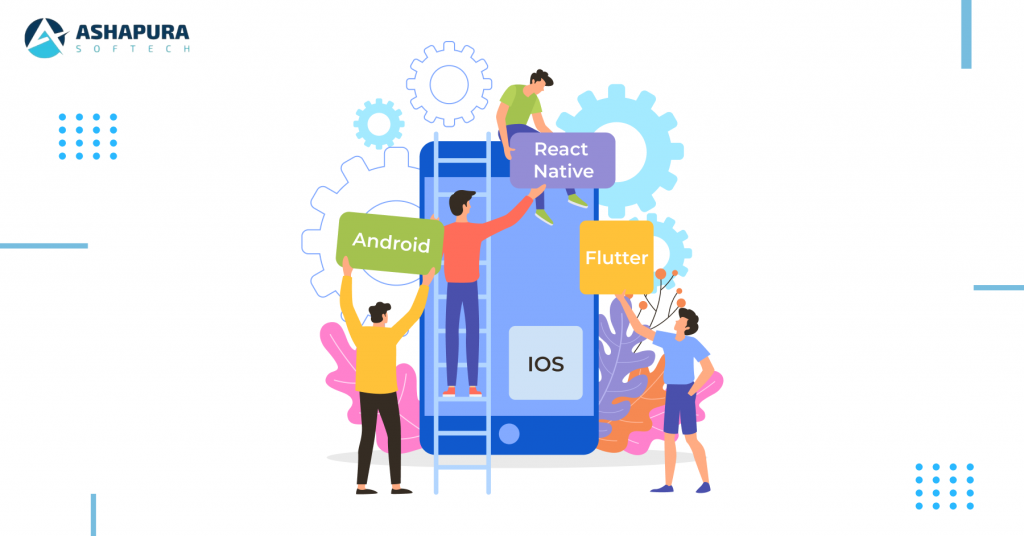
Native vs. Cross-Platform Development
Choose native (Swift, Kotlin) for performance or cross-platform (Flutter, React Native) for faster development across devices.
Backend Options
Firebase is great for quick setup. AWS or custom servers give you more control. Choose based on your app’s complexity.
APIs, SDKs, and Third-Party Integrations
Accelerate development with prebuilt tools like Stripe (payments), Twilio (communication), or Google Maps.
Chapter 5: Development — Turning Ideas Into Code
Agile vs. Waterfall Development
Agile allows for flexible iterations; Waterfall is linear. Most startups benefit from Agile for faster feedback loops.
Setting Up Repositories and CI/CD
Use GitHub or GitLab for version control. Set up continuous integration (CI) pipelines for efficient code testing and deployment.
Working with Developers or Agencies
Hire wisely. Review portfolios, conduct interviews, and check references. Good communication is key.
Chapter 6: Testing & Quality Assurance
Manual vs. Automated Testing
Combine manual UI testing with automated test scripts to catch bugs early.
Usability Testing with Beta Users
Release a beta version via TestFlight or Firebase App Distribution. Gather feedback, observe behavior, and improve.
Performance, Security, and Bug Tracking
Don’t ignore performance. Use tools like Sentry or Crashlytics to monitor errors and ensure data security.
Chapter 7: Pre-Launch Marketing and Hype Building
Landing Pages and Waitlists
Use platforms like Webflow or Carrd to create a compelling landing page. Start collecting email signups early.
Social Media & Influencer Strategy
Document your build journey on Twitter, LinkedIn, or TikTok. Connect with influencers to expand reach.
App Store Optimization (ASO)
Optimize your app name, description, and screenshots. Use relevant keywords to rank higher in search.
Chapter 8: Launch Day! Going Live with Impact
Submitting to App Stores
Follow guidelines for the Apple App Store and Google Play. Prepare icons, screenshots, and privacy policies.
Launch Checklists
Check server readiness, update metadata, prep support docs, and notify your email list.
Handling Feedback and Reviews
Respond quickly. Thank users, acknowledge issues, and roll out bug fixes fast.
Chapter 9: Post-Launch: Iterate, Improve, and Scale
User Analytics and Retention
Track KPIs with tools like Mixpanel, Amplitude, or Firebase. Understand what keeps users engaged.
Feature Updates and Roadmapping
Release features based on user feedback. Use a public roadmap (like Trello or Canny) to build community trust.
Monetization Strategies
Consider freemium, subscriptions, in-app purchases, or ads. Test and iterate for maximum ROI.
Chapter 10: Common Mistakes First-Time Founders Make
What to Avoid
- Building too many features
- Skipping user validation
- Underestimating development time
- Ignoring marketing
- Not planning for post-launch
Lessons Learned from Failed Apps
Learn from others. Read postmortems. Most failures stem from poor planning or user disconnect.
FAQs
Q1: Do I need to know how to code to build an app?
A: No. With no-code tools like Bubble and Glide, you can build simple apps without writing code. But for complex apps, hiring a developer is wise.
Q2: How long does it take to build an app?
A: An MVP might take 2-4 months. A full-featured app could take 6 months to a year.
Q3: How much does it cost to build an app?
A: Costs vary. Freelancers may charge $5K–$15K. Agencies could cost $20K–$100K+. Budget for testing and marketing too.
Q4: What are some good tools for beginners?
A: Figma (design), Trello (planning), Firebase (backend), FlutterFlow (low-code), and Notion (documentation).
Q5: How do I get users to download my app?
A: Build pre-launch buzz, optimize your app store listing, engage on social media, and use email campaigns and influencer outreach.
Conclusion
Building your first mobile app isn’t just about writing code — it’s about bringing your vision to life, solving real-world problems, and creating something people genuinely want to use. From validating your idea and defining your MVP to choosing the right tech stack, testing thoroughly, and launching with impact, every step in the journey teaches you something invaluable. The process may seem overwhelming, but your dream app can become a reality with the right guidance, tools, and a solid roadmap. At Ashapura Softech, we specialize in helping first-time founders and startups turn app ideas into market-ready digital products. Whether you need end-to-end development support or guidance on specific stages, we’re here to help you succeed. Contact us our team at [email protected] to turn your vision into a fully functional app.